





2026 Lip Filler Prices: 5 Key Factors
15/07/2026
Pore Tightening: The 2026 Guide to Enlarged Pores
16/07/2026Nose Botox for the Tip of the Nose That Drops When You Smile
Nose Botox has become one of the most frequently asked-about topics in smile aesthetics in recent years. So what exactly does this procedure correct? Nose Botox is a non-surgical procedure that uses botulinum toxin to relax the depressor septi muscle, which pulls the tip of the nose downward when smiling. In other words, without any incisions to the nose, the “flying nose” appearance is softened using just a few units of toxin.
In this article, we’ll discuss Botox for the tip of the nose without confusing it with rhinoplasty. I’ll break down step by step who it’s suitable for, how it’s administered, and the cost. My goal is to explain that small detail that bothers you when you look in the mirror from a medical professional’s perspective.
Highlights
- Nose Botox is a non-surgical procedure that relaxes the depressor septi muscle to lift the tip of the nose that droops when smiling.
- The procedure usually takes 5–10 minutes; a few units of botulinum toxin are sufficient for the base of the nose.
- The effect is not permanent; muscle function usually returns to normal within 3–4 months.
- Botox for the tip of the nose is not a substitute for rhinoplasty; it merely softens the slight drooping caused by movement.
- Nasal wing Botox may be used to reduce the exaggerated movement of the nasal wings that occur when smiling.
What is nose Botox, and how does it work?
This procedure involves an injection that temporarily reduces the activity of specific muscles around the nose. Botulinum toxin briefly blocks the nerve signals to the muscle, causing it to relax. This reduces the movement that pulls the nose downward or widens the nostrils.
Bu toksinin estetikteki yeri hiç de küçük değil. Uluslararası Estetik Plastik Cerrahi Derneği’nin (ISAPS) verilerine göre, botulinum toksini dünyada en sık yapılan cerrahi dışı estetik işlemdir ve cerrahi olmayan uygulamaların yaklaşık %40’ını oluşturur. Burun bölgesi ise bu geniş kullanım alanının küçük ama etkili bir parçası.
I’ve written about the general mechanism of how Botox works before what is botox I explained this in detail in my article. Here, our focus is on how the same principle is applied to the area around the nose.
Why does my nose droop when I smile?
A nose that droops when you smile is caused, in most people, by the overactivity of a single muscle. This muscle is the depressor septi, located between the nose and the upper lip. When you smile, it contracts, pulling the tip of the nose downward and inward.
In some people, this muscle is naturally more prominent. As a result, the tip of the nose droops when they smile, giving their profile a slightly harsher appearance. While this issue isn’t noticeable when the face is at rest, the movement that occurs with every smile can be bothersome.
This is exactly where Botox comes into play. When the depressor septi muscle is relaxed, the downward pulling force during a smile decreases, and the tip of the nose remains more stable.
How is Botox for the tip of the nose administered?
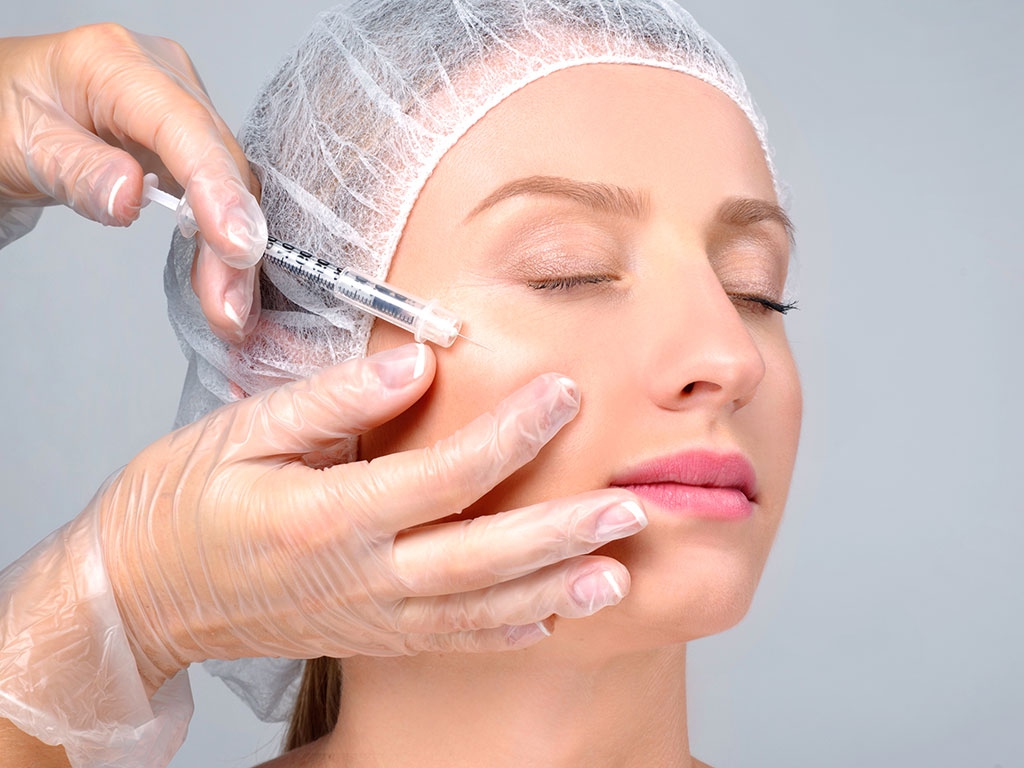
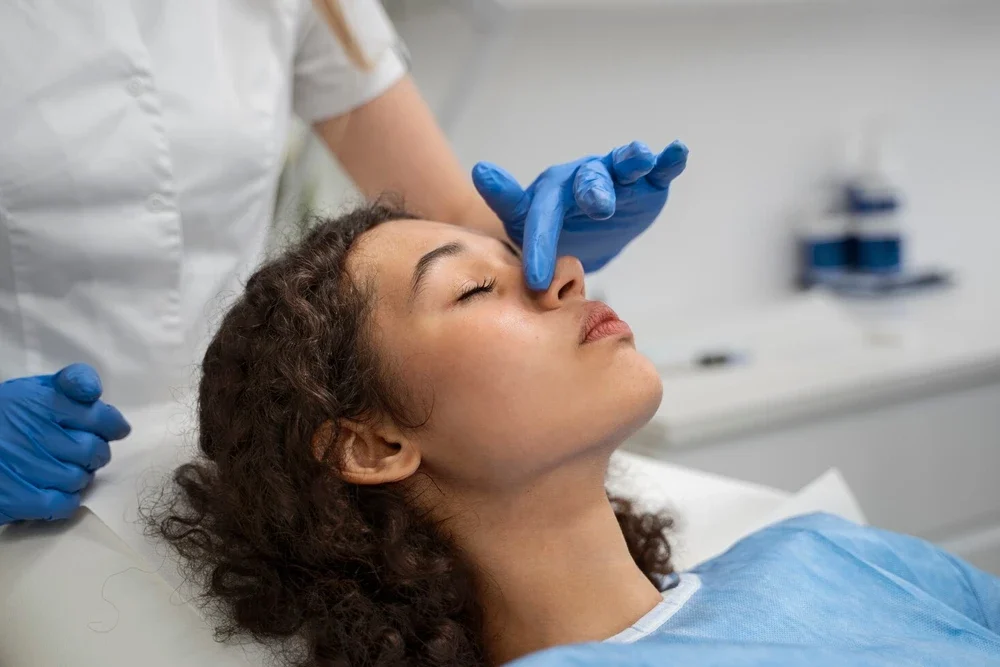
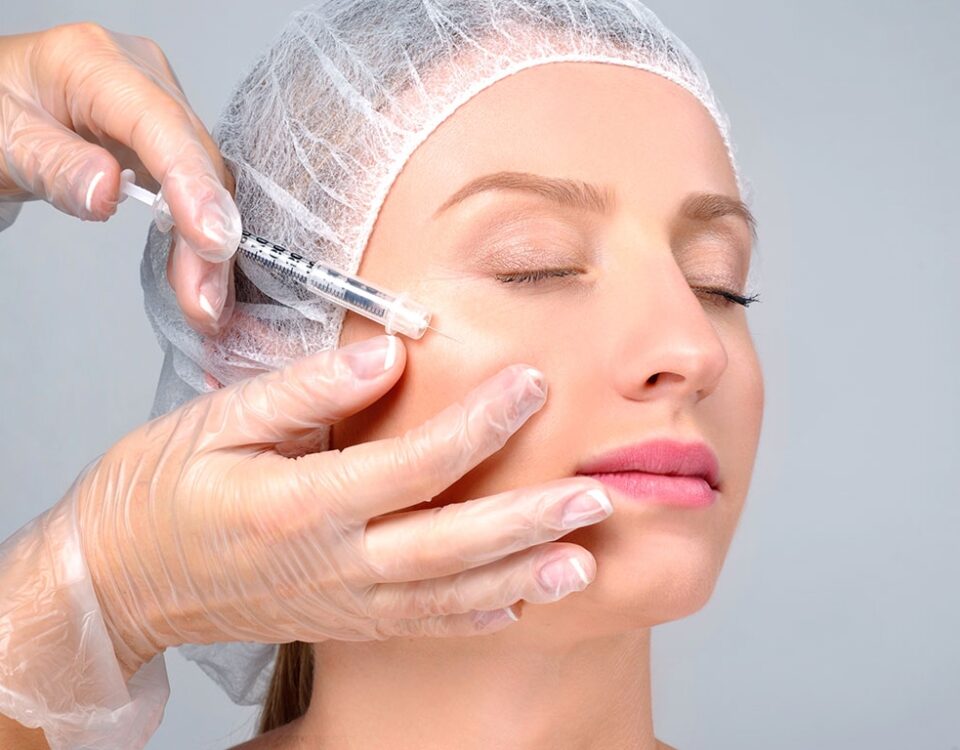
Nose tip Botox is a small injection administered with a fine needle into the base of the nose, in the area between the two nostrils. Typically, a few units of botulinum toxin are injected into a single point. The procedure takes a few minutes, and most patients feel only a slight prick.
Before the procedure, I assess your face while it’s in motion. I observe your smile and speech, and note which muscles contract and to what extent. The dosage is determined on a case-by-case basis; the same amount is not administered to everyone.
The effects aren't immediately visible. The first changes begin to appear within 2–3 days, and the full results take about two weeks to set in. How Botox is used on other areas of the face botox application areas You can read about it in his article.
Contact us
Create Your Appointment
Does Botox for the nostrils reduce their width?
Nasal wing Botox is used to soften the flaring of the nasal wings that becomes noticeable when smiling or speaking. A small amount of toxin is injected into the small muscles that cause the nasal wings to flare outward. This reduces the exaggerated movement of the wings.
This procedure does not alter the permanent width of the nose. It merely reduces the dynamic widening caused by movement. In other words, Botox for the nostrils is not a structural narrowing but a subtle adjustment that balances muscle movement.
For some patients, it is planned in conjunction with Botox injections at the tip of the nose; for others, it is sufficient on its own. The decision is made based on an analysis of facial movements.
The difference between nose Botox and rhinoplasty
Nose Botox and nose surgery (rhinoplasty) are two very different approaches. Rhinoplasty is a surgical procedure that permanently reshapes bone, cartilage, and tissue. Botox, on the other hand, only temporarily relaxes muscle movement; it does not change the size or bone structure of the nose.
Therefore, it would be incorrect to expect significant postural changes from this exercise. Structural issues such as a kyphosis, low back arch, or broad back cannot be corrected with this method. Such conditions require surgical evaluation.
The table below compares the two methods side by side. This allows you to see more clearly which expectation corresponds to which method.
| Feature | Nose Botox | Rhinoplasty (surgery) |
|---|---|---|
| Transaction Type | Injection with a needle | Surgical procedure |
| Impact | Relaxes muscle tension | Permanently alters the structure |
| Duration | 5–10 minutes | 1–3 hours |
| Persistence | 3-4 months | Permanent |
| Recovery | An Immediate Return to Daily Life | Weeks of swelling and recovery |
Who is it suitable for, and who is it not suitable for?
This procedure may be suitable for healthy adults whose nose tip droops noticeably when they smile and who wish to correct this. Patients with mild dynamic drooping tend to respond best. Satisfaction is higher among patients with realistic expectations.
In some cases, the procedure is postponed or not performed. Botox is not recommended during pregnancy and breastfeeding, for people with neuromuscular disorders, or for those with an allergy to the toxin. If there is an active skin infection, treatment is postponed until the area has healed.
That's why the decision is made together after the examination. It's important to share your medical history and the medications you're taking so we can develop a safe plan.
Side Effects and Safety of Nose Botox
When performed correctly, this procedure is a well-established method that has been used for many years. However, like any medical procedure, it carries minor risks. Temporary redness, mild swelling, or, rarely, a small bruise may occur at the injection site.
The most common concern is that the expression will look frozen. Since the dose is kept low in the nasal area, this risk is minimal; the goal is not to freeze the smile, but to soften excessive movement. Toxin applied in excess or to the wrong spot may temporarily affect the movement of the upper lip.
The good news is that any potential effects are temporary. Since the toxin’s effects diminish over time, any unwanted results will resolve on their own. That’s why it’s important to choose a doctor who is familiar with the anatomy of the area.
What factors determine the price of nose Botox?
The cost of Botox for the nose varies from person to person depending on several factors. The number of treatment areas, the number of units used, and the brand of toxin directly affect the price. While Botox for the tip of the nose is treated as a single area, the number of units required increases when combined with treatment of the nostrils.
The doctor’s experience and the clinic’s standards also factor into the price. It’s worth being cautious about very low prices; the storage conditions and authenticity of the toxin are critical for safety. If you’re wondering about the general budget for Botox, botox prices The text provides guidance.
A face-to-face assessment is required to get an exact figure. A price quoted before a personalized plan is developed is often misleading.
Post-procedure care and longevity
There is no specific post-procedure recovery period; most patients return to their daily lives immediately. It is sufficient to avoid rubbing the area, bending forward, and engaging in strenuous exercise for the first few hours. Any mild redness or small puncture mark will subside quickly.
How long the effect lasts is the most frequently asked question. To Wikipedia's article on botulinum toxin According to this, the toxin’s muscle-relaxing effect generally lasts 3–4 months, and muscle movement returns spontaneously at the end of that period. For this reason, patients who wish to maintain their appearance schedule follow-up treatments several times a year.
The results vary slightly from person to person. Muscle strength, the dose administered, and metabolism all affect the duration. After the first treatment, we’ll work with you to determine the optimal interval for you.
The area around the nose is a sensitive area that conveys facial expressions. That’s why Botox My priority in these treatments is to soften the bothersome movement without altering your natural smile. If the tip of your nose drooping when you smile bothers you, Communication You can visit our website to schedule an initial consultation at our clinic in Caddebostan.
Frequently Asked Questions
Is nose Botox painful?
The procedure is quite comfortable for most patients. Since the treatment is administered at a single point using a fine needle, patients feel only a brief prick. If desired, a numbing cream can be applied beforehand.
How many months does the Botox effect last on the nose?
The effects typically last 3–4 months. At the end of this period, muscle movement gradually returns to normal. Patients who wish to maintain the results schedule follow-up treatments.
Will this procedure cause permanent damage to the nose?
The procedure only temporarily relaxes muscle movement; it does not alter the structure of the nose. Any potential side effects are temporary and resolve on their own as the toxin breaks down. There is no risk of permanent damage with this procedure.
Can a nose that droops when I smile be completely corrected with Botox?
Botox significantly softens mild sagging caused by facial movements. If the issue is structural or bone-related, Botox alone may not be sufficient. The best results are determined through a dynamic analysis of the face during the examination.
Is a nose Botox treatment the same as rhinoplasty?
No. Rhinoplasty is a surgical procedure that permanently alters the bone and cartilage of the nose. This treatment, on the other hand, is a cosmetic procedure performed with a needle that temporarily relaxes muscle movement.
Does Botox in the nostrils affect breathing?
When applied at the correct dose, it does not adversely affect breathing. The goal is to reduce excessive movement of the nostrils, not to block them. The dose is carefully adjusted based on the individual’s anatomy.

Appointment & Contact
Contact our clinic for reliable and personalized planning in medical aesthetic applications.
Write to Us
Let's Create Your Appointment Now
Application
Botox Treatment
You can have this procedure done at Dr. Melis Ülger’s office in Kadıköy Caddebostan.
Sources
Related Articles
 English