


What to Do If Swelling After Botox Doesn’t Go Away
You look in the mirror, the injection points are raised, and you think, “Is it going to stay like this?” I usually get this question a few hours after the procedure, in my message inbox. Swelling after Botoxis a short-lived edema caused by the injected fluid temporarily taking up space in the tissue and by the micro-injury the needle creates.
Let me give you the short answer straight away: the bumps at the injection points fade within a few hours, and mild edema usually subsides within the first 24 hours. Swelling that goes beyond this window, keeps growing or comes with pain is a completely different matter. Below I explain how I tell the two apart, and when you should wait and when you should pick up the phone.
Highlights
- For most people, swelling after Botox subsides within 24 hours; the bumps at the injection points disappear within 30 minutes to 3 hours.
- According to the annual reports of the International Society of Aesthetic Plastic Surgery (ISAPS), botulinum toxin accounts for more than 40% of non-surgical aesthetic procedures.
- Edema that lasts more than seven days, grows a little every day or comes with pain and warmth is outside the normal course of healing.
- Heat, strenuous exercise, massaging the area and alcohol are the four behaviours that prolong edema.
- Edema is more visible in thin-skinned areas such as around the eyes and between the brows, and may last a day or two longer.
Why Does Swelling Occur After Botox?
During the injection we deliver a small volume of fluid into the muscle, and the tissue holds this fluid for a while. A barely visible injury also forms where the needle passes. The body sends blood flow and repair cells there, and together these produce the bump you see in the mirror.
This is a normal part of healing, not a complication. It takes hours for the tissue to absorb the fluid and for the micro-injury to close. Botulinum toxin binding to the nerve ending, however, takes days; in other words, the edema has largely subsided before the drug has even started working.
It has no direct relationship with the dose either. If I give the same number of units to two people, one will not swell at all while the other may have a slight puffiness under the eye for a day. The difference is not in the drug but in how quickly the tissue absorbs the fluid.
How Long Does Botox Swelling Last and When Does It Subside?
The expected course has three stages. Stage one is the bumps at the injection points: 30 minutes to 3 hours. Stage two is mild edema and pinkness: usually 24 hours. Stage three, if bruising was also present, is the colour change and fading: three to seven days.
This timeline shows the average; it is not a guarantee. In my patients with thin skin, edema may stay visible for an extra day. On the other hand, in areas with thicker tissue such as the masseter or jawline, most people notice no swelling at all.
I never leave swelling that lasts more than seven days to “go away on its own.” At that point the question is no longer how long, but why.
When Does Swelling After Botox Go Down: 48 Hours, 1 Week, 2 Weeks
I give the table below to my patients as they leave. The left column shows what you see, the middle the expected duration, and the right what you should do at that moment.
| Type of swelling | Expected duration | What to do |
|---|---|---|
| Bump at the injection point | 30 minutes – 3 hours | Don’t touch it, stay upright, don’t apply make-up. |
| Mild edema and pinkness | 24 hours | Cold compress wrapped in cloth; stay away from hot environments. |
| Swelling with bruising | 3-7 days | Ask your doctor about blood-thinning supplements and be patient. |
| Delayed edema around the eyes | 2-5 days | Sleep with your head raised, cut down on salt, don’t rub. |
| Swelling that lasts over a week and is increasing | Don’t wait | See the doctor who performed the treatment the same week. |
| Pain, warmth, spreading redness | Don’t wait | Contact your doctor the same day; don’t start any medication on your own. |
What I want you to notice in the table are the last two rows. There is no number of days there, because those situations need to be assessed rather than waited out.
How Do You Tell Normal Edema from Abnormal Swelling?
Normal edema is soft, painless, looks similar on both sides and gets a little smaller every hour. The skin keeps its own colour, and you feel no difference in warmth when you touch it. When you wake up in the morning, it is better than the day before.
Abnormal swelling works the other way round. It grows day by day, is usually concentrated on one side and hurts when touched. If there is marked redness, tightness or warmth in the skin, it is no longer simple edema.
To make this distinction, I ask my patient a single question: “Was yesterday better than today?” If the answer is yes, the process is heading in the wrong direction and we don’t put off the conversation.
Let's Create Your Appointment Now
Leave your name and phone number and we will call you to discuss the right treatment and an appointment time.
Reach us by phone+90 532 336 52 00Which Behaviours Prolong Edema After Botox?
I list four, and all four are within your control. The first is heat: saunas, Turkish baths, long hot showers and tanning beds speed up blood flow in the face, making edema both larger and longer-lasting.
The second is strenuous exercise. Running, weightlifting and yoga poses that require you to be upside down send blood to the face. Spending the first 24 hours with light walking is enough.
The third is massaging or pressing the area. Trying to disperse the swelling by hand not only does not work, it can carry the toxin to neighbouring muscles. I have listed all the post-procedure rules point by point in my things to consider after botox article.
The fourth is alcohol and a salty diet. Alcohol dilates the blood vessels and excess salt makes the tissue retain water; together they make the swelling you see in the mirror in the morning look bigger than it is.
How Do You Tell an Allergic Reaction from an Infection?
An allergic response starts early. Itching, widespread redness and rapidly increasing swelling of the lips or eyelids are typical signs. If shortness of breath or difficulty swallowing is also present, this is an emergency and you should go to the nearest emergency department.
Infection appears later, usually between the second and fourth day. The area becomes warm, the redness spreads from the edges, the pain increases and sometimes a fever develops. The decision on antibiotics belongs to the doctor; treatment started at home muddies the picture.
In the approved product information of the US Food and Drug Administration (FDA), eyelid drooping was reported in 3% of glabellar (frown line) treatments; serious allergic reactions are far rarer. In other words, you need to recognise these two situations, but they are not outcomes you should expect.
Which Signs of Persistent Swelling Mean You Should See a Doctor?
If any of the following six apply, I want you to call me. The list is short and clear, and easy to remember.
– The swelling has lasted more than a week. – It has grown bigger every day. – It hurts when touched. – The area is warm or the redness is spreading. – A marked asymmetry has developed on one side. – Fever, itching, shortness of breath or difficulty swallowing has appeared.
I rarely see most of these. Still, early assessment means the problem is solved while it is small and saves you a week of unnecessary worry. You can reach my clinic in Caddebostan via the Contact page and ask for a preliminary assessment with a photo.
Mistaking Swelling for “Botox Didn’t Work”
Edema in the first days makes the face look somewhat different. Some of my patients read this as the result going wrong and ask for an early touch-up. In fact, the timeline of the edema and the timeline of the effect run independently of each other.
The effect starts to be felt after the third day and settles in two weeks. Edema, on the other hand, is usually over within the first day. You need to wait until the fourteenth day to judge the result; I walk through the process day by day in my how long Botox takes to settle article.
A touch-up decided too early leads to an unnecessary dose and stiffness in your expression. Units given in a hurry cannot be taken back, while waiting costs nothing.
Preventive Care: What to Do in the First 48 Hours
It is not possible to prevent edema completely, but reducing it is largely in your hands. For four hours after the procedure stay upright, don’t bend forward and don’t lower your head below the level of your heart. Even tying your shoelaces counts.
On the first night, sleep on your back with your pillow raised one level. You can apply a cold compress wrapped in a thin cloth, without direct contact with the skin. Ten minutes on and ten minutes off is enough; longer tires the tissue.
Cut down on salt for the first two days and keep your water intake at its normal level. Do not use supplements with a blood-thinning effect, such as aspirin, ibuprofen and fish oil, without consulting your doctor; they increase both bruising and edema.
If you are curious about what the toxin is and how it communicates with the muscle, see my what is botox My writing would be a good start.
Who Has a Higher Risk of Swelling?
The tendency to edema is individual and partly genetic. Swelling is more pronounced in people with fluid retention due to thyroid or kidney problems, in the last days of the menstrual period and after sleepless nights. I see the same picture in treatments done the day after a long flight.
The area matters too. Around the eyes and between the brows the skin is thin, so the same amount of fluid is far easier to see there. The forehead sits in between because it spreads over a wide surface.
Sharing the medicines you take and any chronic conditions during the consultation changes the dosing plan. I can’t keep this pre-treatment conversation short, because half of the swelling risk is determined there.
Swelling is the loudest but shortest-lived side of Botox. If it is still there at the end of the twenty-fourth hour, stay calm; if it is still there at the end of the seventh day, pick up the phone. Botox planning together with a facial analysis? Whenever you’d like to start, the coffee is always ready at my clinic in Caddebostan.
Written by: Dr. Melis Ülger, Medical Aesthetics Physician. She personally manages post-injection edema and recovery follow-up at her clinic in Caddebostan, Kadıköy.
This content has been reviewed for medical accuracy by Medical Aesthetics Physician Dr. Melis Ülger. The text is for general information; a personal assessment requires an examination.
Application
Botox Treatment
You can have this procedure done at Dr. Melis Ülger’s office in Kadıköy Caddebostan.
Frequently Asked Questions
Is it safe to apply ice to the swelling?
It is safe, as long as the ice does not touch the skin directly and you do not press. Use it wrapped in a thin cloth, ten minutes on and ten minutes off. Applying it with pressure is not recommended because it has a massaging effect.
Can I take a diuretic or drink herbal tea for the swelling?
Do not use over-the-counter diuretics; these medicines affect your fluid and electrolyte balance. Keeping up your daily water intake and cutting down on salt does the same job without the risk. If you take a long-term medication, do not change the dose on your own.
My eyelid is swollen. Is it starting to droop?
These are two different things. Edema makes the eyelid thicker, but you can still lift it normally. With drooping, you find it hard to lift the eyelid and your field of vision narrows. In the second case, contact the doctor who performed the treatment without delay.
Will I swell again at my next session?
If you had noticeable edema at your first session, we now know your tendency. At the next session I adjust the injection plan, needle gauge and appointment time accordingly. For most of my patients the second treatment goes more smoothly.
Can I wear make-up while I’m swollen?
Do not apply foundation, concealer or brushes to the treated area for the first 24 hours. The needle entry points have not closed yet, so this carries a risk of infection. From the second day on you can apply make-up with a clean brush, without pressing.
Does swelling shorten how long the result lasts?
No. Edema relates to temporary fluid in the tissue, not to the toxin binding to the nerve ending. How long the result lasts depends on the dose, muscle strength and metabolism. Whether the swelling goes down early or late does not change how long the effect lasts.

You may also like
-

Botox Reviews: Real Patient Experiences
How do Botox patients describe the process? First-session expectations, concerns about looking natural and frequently asked questions from Dr. Melis Ülger’s clinic. -
Botox Brands: The Difference Between Botox, Dysport, and Xeomin
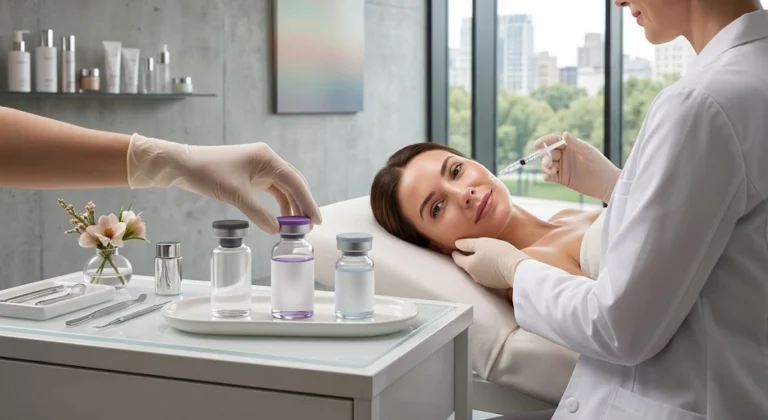
Botox Brands: What’s the difference between Botox, Dysport, and Xeomin? Dr. Melis Ülger explains the active ingredient, unit dosage, and onset of action. -
How Is Gummy Smile Botox Done, and Who Is It For?
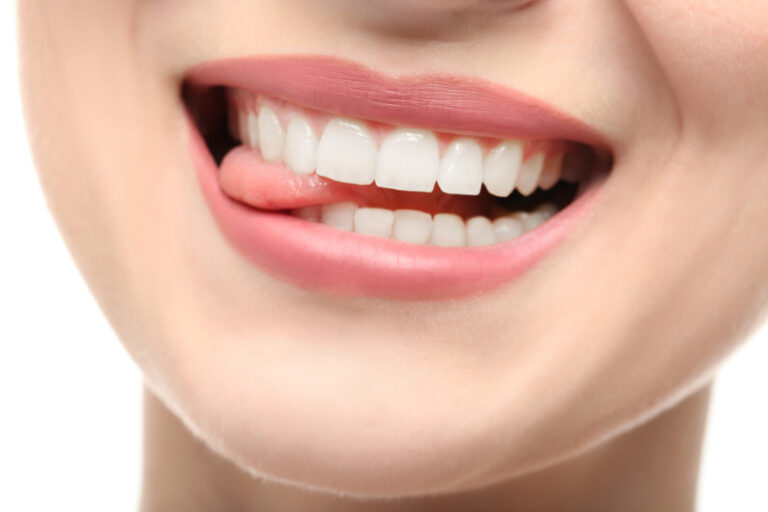
Gummy smile Botox reduces the gum that shows when you smile. Who is it for, and how many months does it last? Read about dosing and a natural smile from a specialist, and book an appointment.
 Türkçe
 English