


What to Consider When Getting Botox? Checklist for Safe and Natural Results
Highlights
- The most critical factors are the surgeon’s expertise and aesthetic approach.
- Hygiene standards in the clinical setting and the authenticity of the product are key factors.
- The list outlines the questions that should be asked during the consultation.
- The article explains how pre-treatment preparation guidelines affect the outcome.

Rule 1: The Most Critical of Choices - Your Physician's Competence and Aesthetic Vision
This is the first and most important item on our list. Much more important than the price or brand of the Botox procedure is who has the injector. Why?
- Anatomy Knowledge: Botox is injected into the muscles. Our face is full of dozens of small muscles that are very close to each other and have opposite functions (one pulls up while the other pulls down). Your physician needs to be extremely familiar with this complex muscle map and the passageways of nerves and vessels. An injection in the wrong muscle or in the wrong spot can lead to undesirable results such as “droopy eyebrows” (ptosis), asymmetry or a dull expression.
- Experience and Expertise: Only medical doctors can legally perform this procedure. Titles such as “esthetician”, “beautician” or “botox specialist” do not have legal or medical validity. The person who will perform your application doctor and have received special training in the field of medical aesthetics.
- Aesthetic Vision: Medicine is the science and aesthetics is the art. Your physician's aesthetic understanding should match yours. While some physicians aim for stronger, “smoother” results, others prefer softer and natural transitions such as “Baby Botox”, where facial expressions are preserved. Examine your physician's previous work, see how much he/she can achieve “natural” results.

Rule 2: Clinical Environment and Hygiene Standards
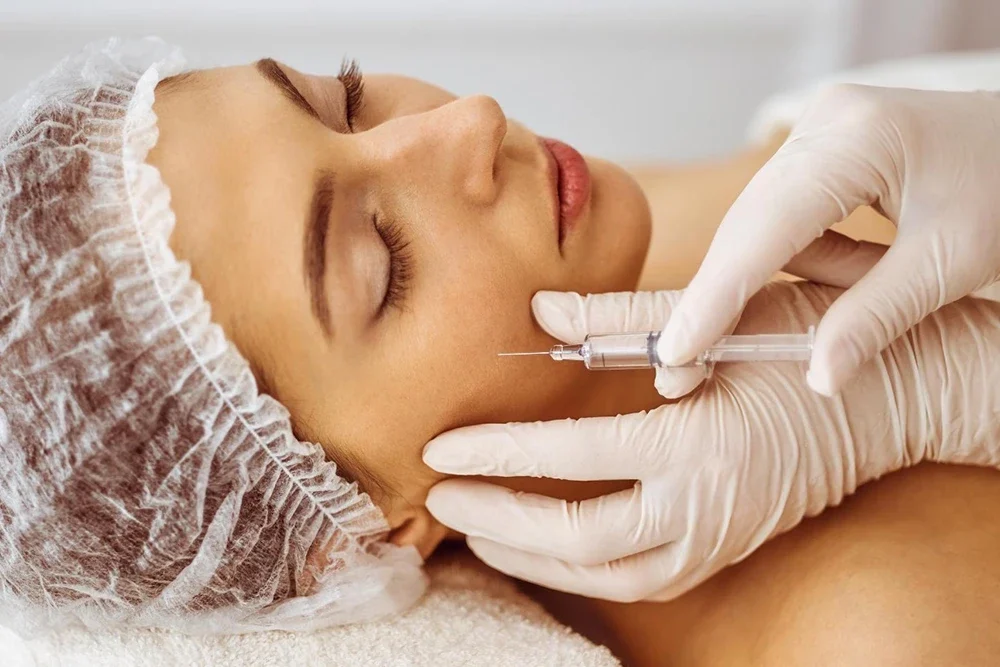
Botox is an injection procedure, which means that the protective barrier of your skin is overcome with a needle. This procedure is not performed in a hairdressing salon, at home or at a so-called “Botox party”, but in a place where the highest standards of medical hygiene are ensured. medical clinic must be done. A non-sterile environment or uncleaned skin invites serious risks of infection. When you enter the clinic, pay attention to the cleanliness of the environment, the professionalism of the staff and the importance given to hygiene rules.
Rule 3: Authenticity and Quality of the Product Used
You have the right to know what is being injected into your body. There are fake, unapproved or of unknown origin botulinum toxin products on the market that are used to reduce costs. These products carry the risk of allergic reactions and their efficacy and safety profile are unknown.
Do not hesitate to ask your doctor which brand of product he/she is using (globally approved brands such as Botox®, Dysport®, Xeomin®). In trusted clinics, the box of the product used will be opened in your presence, the cold chain will be ensured and you may be given a label with information such as the serial number and expiry date. About the use of original and approved products, American Academy of Dermatology (AAD) Organizations such as the National Institute of Health (NIH) also recommend that patients should be aware.
Let's Create Your Appointment Now
Leave your name and phone number and we will call you to discuss the right treatment and an appointment time.
Reach us by phone+90 532 336 52 00Rule 4: Consultation Phase - Don't Be Afraid to Ask Questions
A good Botox procedure starts with a thorough consultation. Your doctor should not only ask you what you want, but also inform you in detail. In this consultation;
- Your medical history (allergies, diseases, medications) should be fully questioned.
- Your face should be analyzed both at rest and while gesturing.
- Your doctor should offer you a customized treatment plan and explain the reasons for this plan.
- Potential risks and post-processing You should be clearly explained what you need to pay attention to.
- All your questions should be answered patiently and in a scientific language.
If you feel rushed or do not get clear answers to your questions, this could be a warning sign.
Rule 5: Set Realistic Expectations (Botox vs. Fillers)
One of the most important things to consider when getting Botox is to know what Botox can and cannot do. Botox is not a volumizer, it is not a magic wand. Botox is only used for the facial expressions caused by dynamic wrinkles (forehead, between the eyebrows, crow's feet). If you have deep and permanent lines on your face that are there even when you do not make any facial expressions, formed by the collapse of the skin (static wrinkles), Botox alone does not completely “erase” these lines, it only softens them. The correct treatment for such sunken lines and volume loss (such as sunken cheeks, nasolabial furrows) Dermal Fillers practices. You should discuss your expectations clearly with your physician and, if necessary Mesotherapy or Hydrafacial You should create a combined plan with treatments that improve skin quality, such as.
Rule 6: Follow the rules of pre-treatment preparation
In order to make your procedure more comfortable and minimize the risk of bruising, there are some things you should pay attention to. Unless your physician tells you otherwise, stop taking blood thinners such as aspirin, some painkillers, fish oil (Omega-3) and vitamin E supplements about 1 week before the procedure. Do not drink alcohol at least 24-48 hours before the procedure. These simple rules can significantly reduce your risk of bruising.
Rule 7: Understand and Follow Post-Treatment Instructions
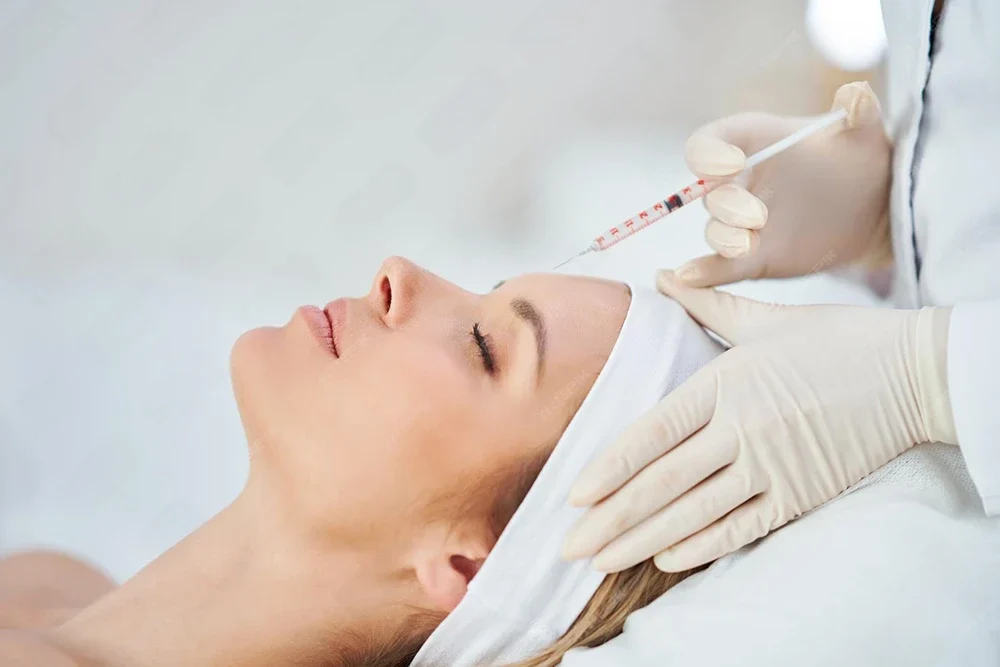
The safety of the treatment continues after the procedure is finished. Following the instructions given to you by your doctor is critical to avoid the risk of complications. The most important rule: Do not bend forward, lie down or massage the treated area for the first 4-6 hours after the procedure. This rule prevents the injected Botox from spreading to non-targeted muscles (e.g. eyelid muscles) and causing problems such as droopy eyebrows.
Rule 8: Think Security, Not Price
“Promotional” or “cheap” Botox treatments that are well below the market average should always be questioned. This usually means the use of poor quality/counterfeit products, over-dilution of the drug (diluting it) to a lower dose, or unauthorized persons performing the procedure. Your face and your health are too valuable to take such risks. This is an investment in health, not an expenditure, and safety must always be the priority. In this regard International Society for Aesthetic Plastic Surgery (ISAPS) Organizations such as the National Institute of Health (NIH) always put patient safety first.
Our Safety and Transparency Principle at our Clinic in Kadikoy
Kadikoy‘In our clinic in Istanbul, every Botox treatment is performed with the artistic vision and medical expertise of a doctor, within the framework of these basic safety and ethical rules. Your health, safety and natural looking happy results are the most important success criteria for us. We welcome you to our clinic for a consultation to experience this process with confidence.
Application
Botox Treatment
You can have this procedure done at Dr. Melis Ülger’s office in Kadıköy Caddebostan.
Frequently Asked Questions
What is the most critical choice?
More than the cost of the procedure or the brand of the product, what matters most is who is holding the syringe. The face is filled with dozens of small muscles that perform opposing functions; the doctor must have a thorough understanding of this anatomy, as well as the nerve and blood vessel pathways.
Who can apply?
By law, only medical doctors may perform this procedure. Titles such as "aesthetician," "beauty specialist," or "Botox specialist" have no legal or medical validity.
What are the consequences of improper use?
An injection into the wrong muscle or at the wrong site can lead to undesirable outcomes such as drooping of the eyelid (ptosis), asymmetry, or a blank expression.
Why is a doctor’s aesthetic approach important?
Some doctors prefer stronger, smoother results, while others prefer subtle changes like Baby Botox, which preserves facial expressions. The doctor’s approach must align with the patient’s expectations.
Why is the clinical setting critical?
Botox is an injection procedure, and the skin’s protective barrier is penetrated by a needle. For this reason, the procedure must be performed at a professional medical clinic that meets hygiene standards.

You may also like
-
What to Do If Swelling After Botox Doesn’t Go Away
How long does swelling after Botox last, and which signs call for a doctor? Learn the difference between normal edema and persistent swelling, and book from Caddebostan. -

Botox Reviews: Real Patient Experiences
How do Botox patients describe the process? First-session expectations, concerns about looking natural and frequently asked questions from Dr. Melis Ülger’s clinic. -
Botox Brands: The Difference Between Botox, Dysport, and Xeomin
Botox Brands: What’s the difference between Botox, Dysport, and Xeomin? Dr. Melis Ülger explains the active ingredient, unit dosage, and onset of action.
 Türkçe
 English