


Types of Lip Fillers: 5 Techniques and Their Differences
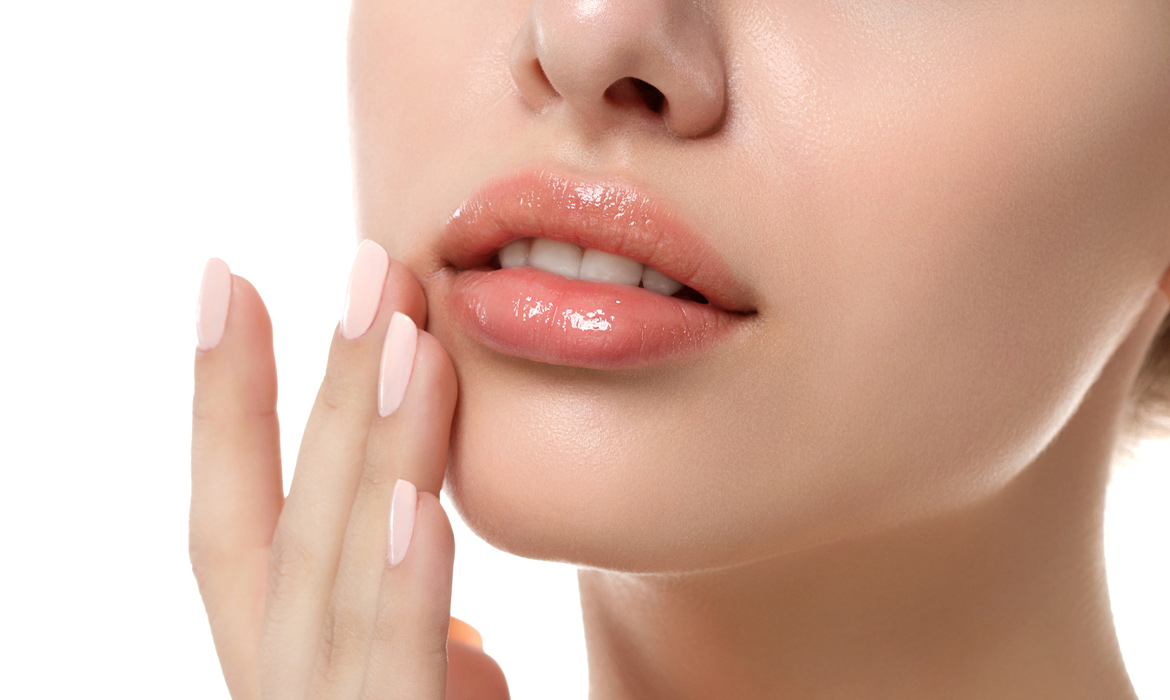
Short answer: Lip filler styles differ in how the same hyaluronic acid gel is placed: the classic linear technique gives balanced fullness, the French technique a natural, subtle emphasis, the Russian technique height and a defined heart shape, and the microdroplet method a smooth, even result. Which style suits you is decided by your lip structure and facial proportions.
Types of Lip Fillers: French, Russian, and Classic Techniques
When my clients come in for an appointment, they often think it’s just a single procedure, but the process actually begins with where and how the gel is applied. Types of Lip Fillers, ...refers to all the methods that describe how the same hyaluronic acid gel is injected into the lips and shaped using different injection techniques and product consistencies. In other words, it’s not just about “getting fillers”; it’s about which technique will best suit your lips.
In this article, I’ll explain the main techniques—from the classic linear method to the French and Russian techniques—the differences between them, and which technique suits which lip shape. The general logic behind the procedure Lip Filler Guide I covered the topic from start to finish in my article; here, my focus is on the techniques themselves.
Highlights
- Types of lip fillers include various techniques such as classic linear, French, Russian lifting, and micro-drop.
- While the French technique provides a soft and natural fullness, the Russian technique lifts the lips and accentuates their heart shape.
- The cross-link density of the gel used directly determines whether the result will be fluid or solid.
- In dermatology studies, satisfaction with hyaluronic acid lip filler is reported at over 90%.
What Are the Types and Styles of Lip Filler?
Lip filler techniques are not a one-size-fits-all approach; they vary depending on the plane, angle, and amount of gel injected into the lips. Using the same product, I can achieve a subtle, natural contour in one client while creating pronounced volume in another. What makes the difference isn’t the brand of the product, but the technique used.
There are four main approaches I discuss most frequently at my clinic today: the classic linear technique, the French technique, the Russian lifting technique, and the micro-drop method. Each serves a different aesthetic purpose. I’ll explain each one in detail below so that when you come in for your appointment, you can describe what you want more clearly.

What Is Classical Linear Technique?
The classic linear technique is the most basic method, in which the gel is applied along the lip line in a thin, continuous line. The needle moves parallel to the lip line and, as it is withdrawn, deposits the gel in a straight line. The goal is to preserve the lip’s natural contour and achieve a balanced fullness.
This method is generally a good starting point for clients getting dermal fillers for the first time. It produces controllable, predictable results and adds volume without looking excessive. It remains one of the safest options for correcting asymmetry and achieving a subtle plumpness.
French Lip Filler: For a Natural Look
The French lip filler technique takes its name from the philosophy of “less is more.” In this technique, rather than filling the entire lip, a small amount of gel is injected only into the center of the upper lip and specific anatomical points. As a result, the lips do not appear unnaturally large; they simply look fresher and more rested.
I recommend the French technique to clients who specifically want a natural-looking lip augmentation and say, “I don’t want it to look like I’ve had work done.” Since the procedure uses a small volume, typically between 0.5 and 1 ml of product is sufficient. The result is designed less to enlarge the lips and more to gently enhance their natural shape.
The nice thing about this approach is that it doesn’t disrupt the harmony with the rest of the face. I achieve very natural-looking results for people with thin lips who are looking for a subtle change.
How Is the Russian Lip Technique Applied?
The Russian lip filler technique is a method in which the gel is injected from the inside of the lip outward using vertical injections. The needle is inserted not into the body of the lip but into its base, and the gel is “pulled” upward to lift the lip’s edge. This allows the lip to gain height and a distinct heart shape without spilling over to the sides.
A distinctive feature of the Russian technique is that it lifts the lip upward rather than plumping it forward. The “M” line in the center of the upper lip becomes more pronounced, and the lip takes on a more theatrical, vertical appearance. This technique requires patience; because it involves numerous small injections, the procedure takes longer than the classic method.
This method isn't suitable for every lip. Since there's a risk of the product spilling over on lips that are already full, I tend to use it when I want to add volume to thinner, flatter lips.
Why permanent products and silicone are not preferred Permanent lip fillers and silicone I explained this in my article.
If you're not satisfied with the filling you had done, I should also mention that the procedure can be reversed; the process lip filler melting I explained it in my article.
Let's Create Your Appointment Now
Leave your name and phone number and we will call you to discuss the right treatment and an appointment time.
Reach us by phone+90 532 336 52 00Who Is the Microdroplet Method Suitable For?
The micro-drop method is a technique in which the gel is applied in very small, closely spaced dots, almost as if it were being sprinkled. Instead of applying a large volume all at once, I proceed in tiny increments. This approach is particularly effective for clients with sensitive lip tissue or those who have experienced swelling in the past.
The even distribution of the drops results in both a smoother texture and reduced swelling. The result is soft and uniform; the likelihood of a hard feel is reduced. This is a method I confidently use for people who want a natural transition and are concerned about “lumps.”.
Why Are Product Consistency and Cross-Linking Important?
Just as much as the technique, the consistency of the chosen gel also determines the result. Hyaluronic acid fillers are produced with varying degrees of cross-linking; the density of these cross-links determines whether the gel will be soft or firm. Fluid, low-crosslinked gels give the lips a natural movement, while firmer gels create a more pronounced and long-lasting volume.
Hyaluronic acid, is a molecule that occurs naturally in the body and draws water into the tissue. According to global data from the International Society of Aesthetic Plastic Surgery (ISAPS), hyaluronic acid-based fillers rank among the most commonly performed non-surgical procedures worldwide. The reason for this widespread use is that the gel can be dissolved with an enzyme and removed when necessary.
That’s why I choose the product based on the client’s lip structure. Giving a firm gel to someone who wants soft lips makes the texture look tight and unnatural; the opposite approach, on the other hand, results in a look that’s too runny.
Lip Filler Styles Compared
The table below compares the four methods I frequently use side by side, based on how they are applied, the results they produce, and the lip structure for which they are most suitable. Looking at these three columns together when making a decision helps clarify your expectations.
| Technical | Mode of Application | The Result It Produced | Who Is It For? |
|---|---|---|---|
| Classical linear | A continuous line along the lip border | Balanced, predictable fullness | First-time clients, symmetry correction |
| French technique | A small amount at specific points | Natural, subtle emphasis | “Don't make it obvious,” they say, wanting it to be subtle |
| Russian weightlifting | Vertical pull from the bottom | Height, distinct heart shape | Thin and flat lips |
| Microdrop | Small, closely spaced storage units | Smooth, uniform, minimal swelling | Delicate fabric, concern about pilling |
The matches in the table are just a general guide; I can only make a definitive decision once I’ve seen your lip up close.
Natural-Looking Lip Filler or Dramatic Results?
This is the most common dilemma. For those seeking a natural lip augmentation, I use a low-volume, fluid gel and the French or micro-drop technique; the goal is for the lips to look “rested,” not “new.” For those seeking a more pronounced volume, I use a firmer gel and the classic or Russian technique.
Both approaches are correct; what’s wrong is forcing a volume that doesn’t match a person’s facial proportions. Just as excessively full lips don’t suit a slender face, very subtle fillers get lost on a face with fuller features. That’s why I base my decision on the harmony of the face, not on volume alone.
The duration for which each technique remains in the tissue also varies; what factors determine this duration Lips Filler Longevity I explained it in detail in my article.
How Do You Choose the Right Technique for Each Individual?
Choosing a technique isn’t like ordering from a menu. During the initial consultation, I assess the current volume of your lips, their symmetry, the ratio between the upper and lower lips, and how they move when you smile. Skin thickness, your history of previous fillers, and your expectations are also taken into account.
Sometimes a client comes in specifically asking for the Russian technique, but their lip structure isn’t suitable for it; in that case, I clearly explain why a different approach would look better. The right technique isn’t the one the client imagines, but the one that truly suits their face. Although this honesty may sometimes lower expectations, it always leads to a more beautiful result.
The choice of technology also affects the cost of the process; which factors are reflected in the price Lip Filler Prices I explained this in detail in my article. To determine the method that’s best for you, I use the following approach at my clinic: lip fillers We can discuss the options during the meeting.
What Should You Keep in Mind Before the Procedure?
No matter which technique is chosen, the preparation phase affects the outcome. Stopping supplements such as aspirin, fish oil, and high-dose vitamin E—which have blood-thinning effects—a few days before the procedure, after consulting your doctor, will help reduce bruising. Similarly, alcohol and intense cardio before the procedure can make the tissue more prone to bleeding.
Avoiding scheduling it during your period, planning it at least two weeks before an important event, and postponing it if you have an active cold sore are also pieces of advice I often give. These small adjustments ensure that the technique we choose looks as good as it should. For detailed planning, Contact You can contact us through our website.
Application
Filling Application
You can have this procedure done at Dr. Melis Ülger’s office in Kadıköy Caddebostan.
Sources
Frequently Asked Questions
Which type of lip filler looks the most natural?
Generally, the French technique and the micro-drop method produce the most natural-looking results. Both methods use a low volume of fluid gel. The goal is not to enlarge the lips, but to gently accentuate their natural shape.
Who is the French technique suitable for?
This treatment is suitable for clients with thin lips who want a subtle change and prefer that “it doesn’t look like they’ve had work done.” Since only a small amount of product is used, the results are natural-looking. It’s also a comfortable option for those getting fillers for the first time.
Does the Russian technique make the lips look wider?
No, it actually aims to do the opposite. In the Russian technique, since the gel is pulled upward from the base, it adds height without the lip spilling over to the sides. That’s why it’s preferred for creating vertical fullness in thin, flat lips.
What technique is used for thin lips?
For thin lips, the goal—whether it’s height or natural fullness—depends on the individual. If height is desired, the Russian technique is preferred; if a soft, natural fullness is desired, the French technique is preferred. The decision is made based on the lip’s movement and facial proportions.
Should I wait for the previous filler to dissolve before changing techniques?
It’s not always necessary. I decide based on the amount of old gel remaining in the tissue; if necessary, I dissolve it with an enzyme first and then apply the new technique. This assessment is made during the examination.
Do lip filler techniques differ in terms of longevity?

You may also like
-

How Long Does Bruising Last After Chin Filler?
Why does bruising happen after chin filler, and how many days does it take to fade? The day-by-day colour changes, ways to reduce it and warning signs. Write to us if you have questions. -

Does Lip Filler Hurt? Pain Management and the Process
Does lip filler hurt, and how much pain is there really? Read about numbing cream, lidocaine-containing products and cannulas, and book your appointment in Caddebostan. -

When Do Lip Fillers Settle? The Process, Day by Day
When do lip fillers settle in, and how many days does the swelling take to go away? Dr. Melis Ülger explains the daily timeline from the first 24 hours through the second week.
 Türkçe
 English