










Summer Skin Care: A 2026 Guide to Protecting Your Skin in the Heat
27/07/2026
Melasma Treatment: 2026 Solutions for Stubborn Dark Spots
28/07/2026What Determines the Longevity of Lip Fillers?
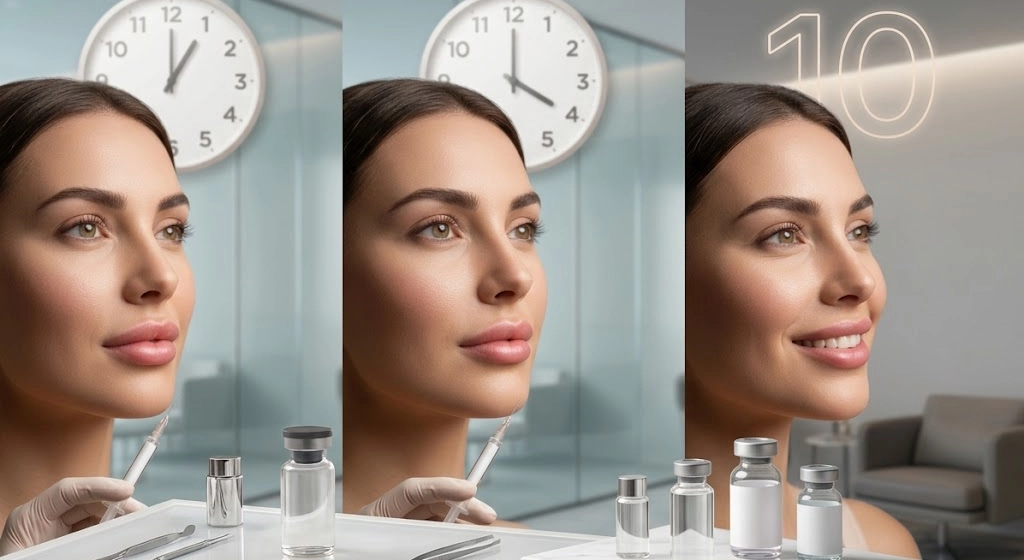
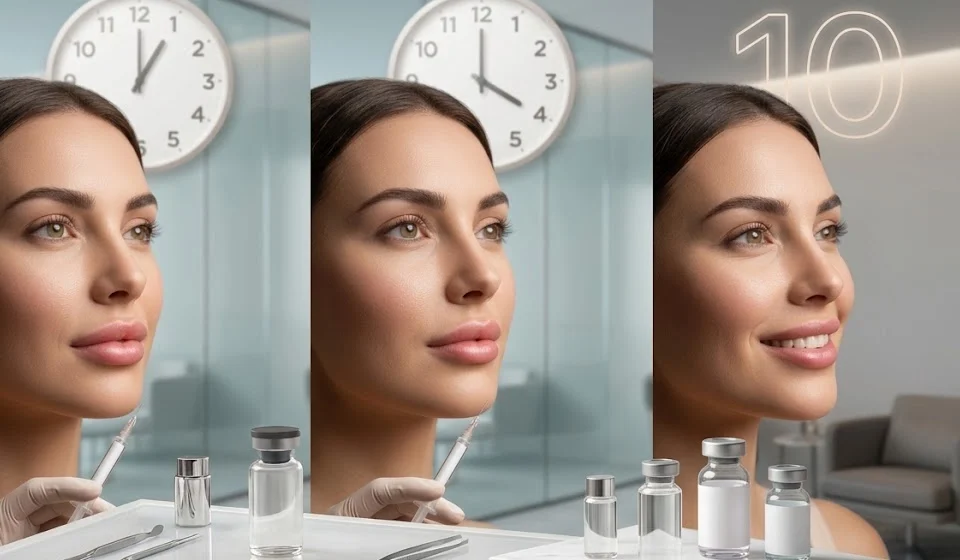
The question I’m asked most often before an appointment is how long the filler will last. How long do lip fillers last?, which refers to the length of time that hyaluronic acid gel injected into the lips remains in the tissue—typically ranging from 6 to 12 months. In other words, this procedure is not permanent; it is a temporary treatment that dissolves over time, allowing your natural lips to return to their original state.
In this article, we’ll discuss what factors cause the duration to shorten or lengthen, when the results become permanent, and how the absorption process progresses. The general process of lip fillers Lip Filler Guide I explained it from start to finish in my article; here, my focus is entirely on the issue of time.
Highlights
- The results of lip fillers typically last an average of 6 to 12 months for most patients; this duration may vary from person to person.
- The results aren't visible on the first day; they become apparent about two weeks after the swelling subsides.
- Kimya kaynaklarına göre vücuttaki hyalüronik asidin yaklaşık %33’ü her gün yıkılıp yenilenir; dolgunun zamanla erimesinin temel nedeni budur.
- Metabolic rate, physical activity, and lifestyle are the three main factors that directly determine duration.
How Long Do Lip Fillers Last?
When you ask how long lip fillers last, I can’t give you an exact number of days, because the duration varies from person to person. Still, I can give you a realistic range: for most patients, the results last between 6 and 12 months. For first-time patients, the product generally wears off a bit faster, while for those who get regular touch-ups, the duration gradually increases.
The lips are one of the most mobile areas of the face. Because they are constantly in motion—whether we’re talking, smiling, or eating—the gel applied here dissolves faster than it does in less mobile areas. That’s why the same product lasts nearly a year on the lips, whereas it lasts a year and a half on the cheeks.
Factors That Determine the Longevity of Lip Fillers
The longevity of lip fillers depends not on a single factor, but on a combination of several factors. The most significant factor is your metabolic rate; the faster your body breaks down the hyaluronic acid, the sooner the filler wears off. A young and active metabolism breaks down the gel more quickly.
The second factor is the composition of the product used. Gels with high cross-linking density—that is, denser gels—remain in the tissue longer. The third factor is the application technique and the amount administered; a filler that is applied to the correct layer and distributed evenly remains more stable.
Your lifestyle also plays a role. Smoking, intense cardio, frequent sauna use, and unprotected sun exposure can accelerate the gel’s breakdown. We’ll assess these factors together during our first consultation, and I’ll provide you with a realistic timeframe.
When Do Lip Fillers Settle?
The short answer to the question “When do lip fillers settle?” is: it takes about two weeks—and requires patience. Immediately after the procedure, the lips appear swollen due to both injection-related swelling and the gel absorbing water. This initial appearance does not reflect the final result.
The swelling subsides significantly within the first three days, and by the end of the first week, the lip begins to soften. Between the tenth and fourteenth days, the gel integrates with the tissue, and the lip feels just like your own when touched. This is the right time to be patient—not to panic when looking at the photo.
Avoiding massage of the area during the healing process and applying cold compresses in the first few days helps the tissue heal more quickly. My most common piece of advice is not to judge the outcome based on the swelling on the first day.
How Long Do Fillers Last, and Does It Vary by Area?
The answer to the question “How many months does the filler last?” varies significantly depending on the area where the gel is injected. The lips, which are constantly in motion, break down hyaluronic acid more quickly than areas that are stationary. The same brand of product dissolves at different rates in different areas.
According to dermatology sources, fillers are metabolized more quickly in dynamic areas such as the lips, and their results typically last between 6 and 12 months. The table below compares the average durations for the areas I most frequently treat.
| Region | Level of activity | Average persistence |
|---|---|---|
| Lip | Very loud (talking, laughing, eating) | 6–12 months |
| Nasolabial fold | Middle | 9–15 months |
| Tip of the chin | Low | 12–18 months |
| Cheekbone / cheek | Low | 12–18 months |
The figures in the table are averages; individual metabolism can cause these timeframes to shift by a few months either way. Still, it’s a good summary to show why the lip is on the shortest list.
How Does Lip Filler Dissolution Progress?
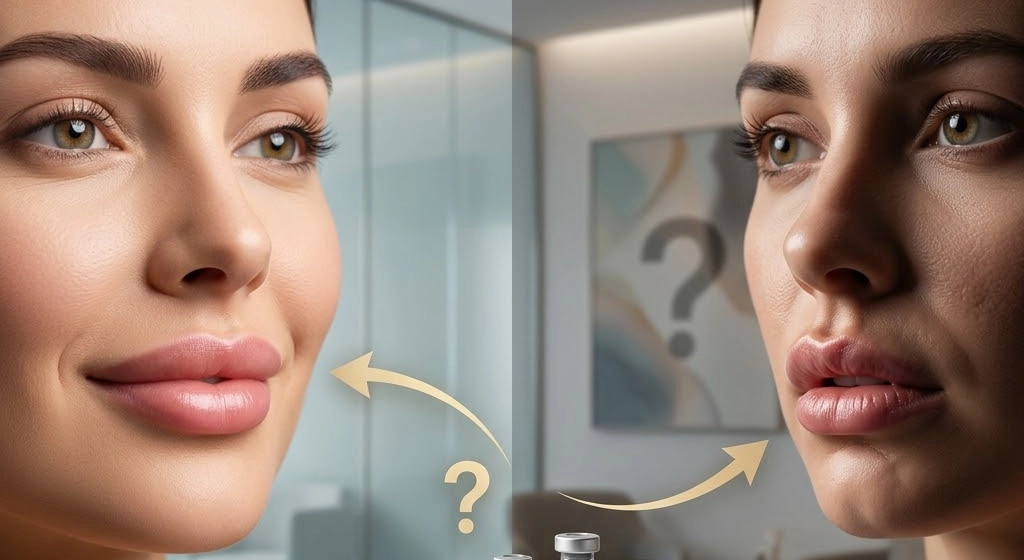
Lip filler dissolution is not a sudden drop in volume, but rather a slow and imperceptible decrease. The body gradually breaks down the gel day by day using its own enzyme, called hyaluronidase. That’s why your lips won’t suddenly lose their fullness one morning; the volume diminishes over the course of months, often without you even noticing.
Cross-linked hyaluronic acid üzerine kimya kaynaklarına göre, vücuttaki hyalüronik asidin yaklaşık %33’ü her gün yıkılıp yeniden üretilir. Dolgudaki jel de aynı doğal döngüye girer; çapraz bağlar bu yıkımı yavaşlatsa da tamamen durduramaz.
In the final stage of dissolution, the lips return to their pre-treatment state. It leaves no scar, stiffness, or permanent changes. The ease of this reversal is one of the main reasons I prefer hyaluronic acid fillers.

Contact us
Create Your Appointment
What Can You Do to Make It Last Longer?
There’s no magic way to extend the results, but there are a few habits that can support the process. Drinking enough water throughout the day helps hyaluronic acid retain moisture and keeps your lips plump. In dehydrated tissue, the gel breaks down more quickly.
Cutting back on or quitting smoking also makes a noticeable difference; smoking disrupts blood flow to the tissue, accelerating the melting process. Avoiding saunas, extreme heat, and intense sunlight during the first few weeks helps the gel retain its structure for a longer period.
Maintaining a balanced diet and protecting your lips with sunscreen balm are the final steps. These small adjustments won’t make the filler last forever, but they can easily extend the time between touch-ups by a few months.
How Do You Plan the Timing for Touch-ups and Refreshes?
My goal during the first session is not to fill the lips in a single step; I start conservatively and, if necessary, make a small touch-up during the follow-up visit in the second week. This gradual approach not only yields a more natural result but also ensures that the filler settles evenly.
The best time to touch up isn’t to wait until the color has completely faded. Renewing when the effect has dropped to 60 percent—which is usually around the eighth and tenth months—keeps the result consistently fresh. Building on the existing form rather than starting from scratch requires less product and is more economical.
I set up a personalized touch-up schedule. I note when the last touch-up was done, the product brand, and how long the previous one lasted, and I recommend the next appointment based on that information.
How Does Approval Affect Product Longevity and Safety?
The quality of the product directly determines not only its safety but also its longevity. Approved, original hyaluronic acid gels dissolve in a way that is compatible with the tissue and disappear cleanly once their lifespan is over. With unapproved solutions, however, it is impossible to predict how long they will remain; some may persist for years, leading to hardening and inflammation.
That’s why I’d like you to ask whether the product is certified before discussing the price. I’d also like to mention how post-treatment care contributes to the product’s longevity Things to consider after filling I have compiled this in my article. At my clinic, I use only approved products that I have documented, lip fillers I'm doing it.
If you're also curious about the price over time, the current factors Lip Filler Prices I explained this in my post. For a personalized plan tailored to your lips, Communication You can contact us through our website.
Frequently Asked Questions
How many months does it take for lip fillers to completely dissolve?
In most patients, lip fillers largely dissipate within 6 to 12 months. Since the dissipation process is gradual, there is generally no noticeable decline. The exact duration varies depending on your metabolism and the product used.
Does the filler last longer the second time you get it done?
Generally, yes. Since a small amount of gel remains in the tissue, touch-up sessions take longer. For those who get regular touch-ups, the interval between sessions gradually increases over time.
Do lips sag as the filler dissolves?
No. Since the gel dissolves gradually, the lips gradually return to their original state, leaving no sagging or deformation. When the filler is applied in the correct amount, this type of side effect is not expected.
Can I have the filler dissolved before it wears off?
Yes. Hyaluronic acid fillers can be dissolved at any time using the hyaluronidase enzyme. If you are not satisfied with the results, they can be reversed without having to wait.
Does drinking water really extend the shelf life of fillings?
Adequate water intake helps maintain plumpness by supporting hyaluronic acid’s ability to retain moisture. It doesn’t work miracles on its own, but the gel breaks down more quickly in dehydrated tissue. It supports a balanced fluid intake.
How long should I wait before getting touch-ups?
The first minor touch-up can be done during the follow-up appointment in the second week, after the swelling has subsided. As for volume restoration, the ideal time is generally between the eighth and tenth months. We’ll work with you to determine the schedule based on your previous treatment timeline.

Appointment & Contact
Contact our clinic for reliable and personalized planning in medical aesthetic applications.
Write to Us
Let's Create Your Appointment Now
Application
Filling Application
You can have this procedure done at Dr. Melis Ülger’s office in Kadıköy Caddebostan.
Sources
Related Articles
 English