


Common misconceptions about Botox
Highlights
- This article addresses and explains the common belief that Botox causes facial swelling.
- Concerns that the skin will look worse once the effect wears off are being evaluated.
- Claims that it is addictive and the view that it is used solely for wrinkles are being examined.
- Seven commonly misunderstood topics are explained one by one, along with the reasons behind them.
Dr. Melis Ulger, Istanbul, Kadikoy’I have brought together the most common concerns and misinformation we hear from our patients who consult our clinic in Istanbul. My aim is to enlighten the botox treatment in the light of scientific facts and to remove all the question marks in your mind. Here are the common misconceptions about Botox and the truth of the matter.
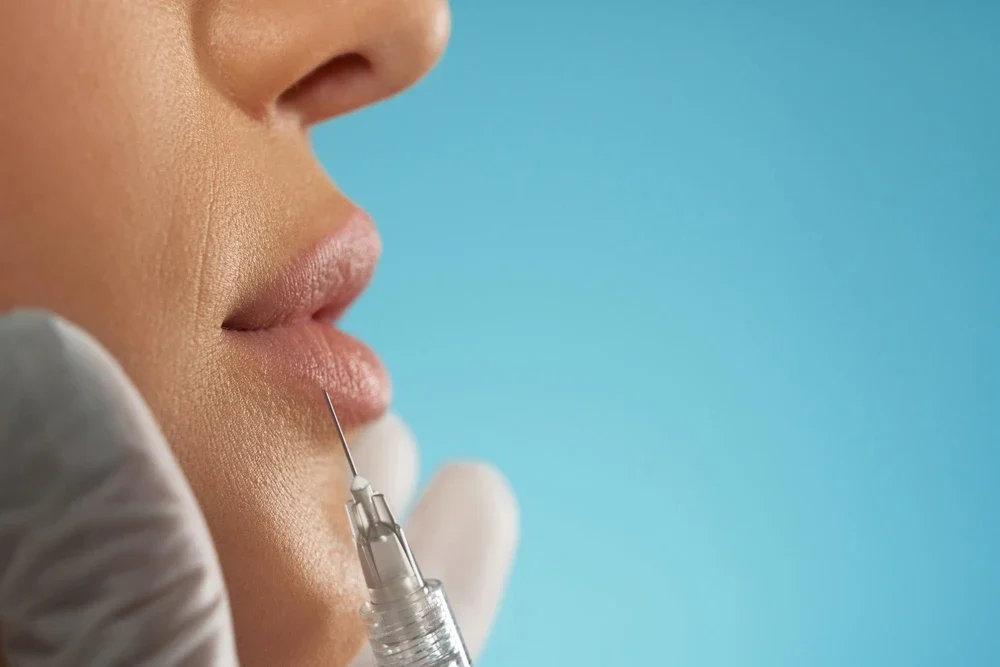
Myth 1: "Botox puffs up the face and fills the cheeks."
Reality: This is the most common and fundamental misconception about Botox. Botox has absolutely no function of inflating the face or “filling” an area. Botox is not a filler. Its main mechanism of action is to temporarily weaken the movement of the muscles in the area where it is applied. With the relaxation of the muscles, the skin over it also relaxes and dynamic wrinkles (forehead, between the eyebrows, lines around the eyes), especially due to facial expressions, become smooth. Treatments used to add volume to the face, define the cheeks or plump the lips are dermal fillers applications. If there is an “inflated” or “unnatural” facial appearance, this is usually not related to Botox, but to incorrectly or excessively applied fillers.
Myth 2: "Botox is actually snake venom."
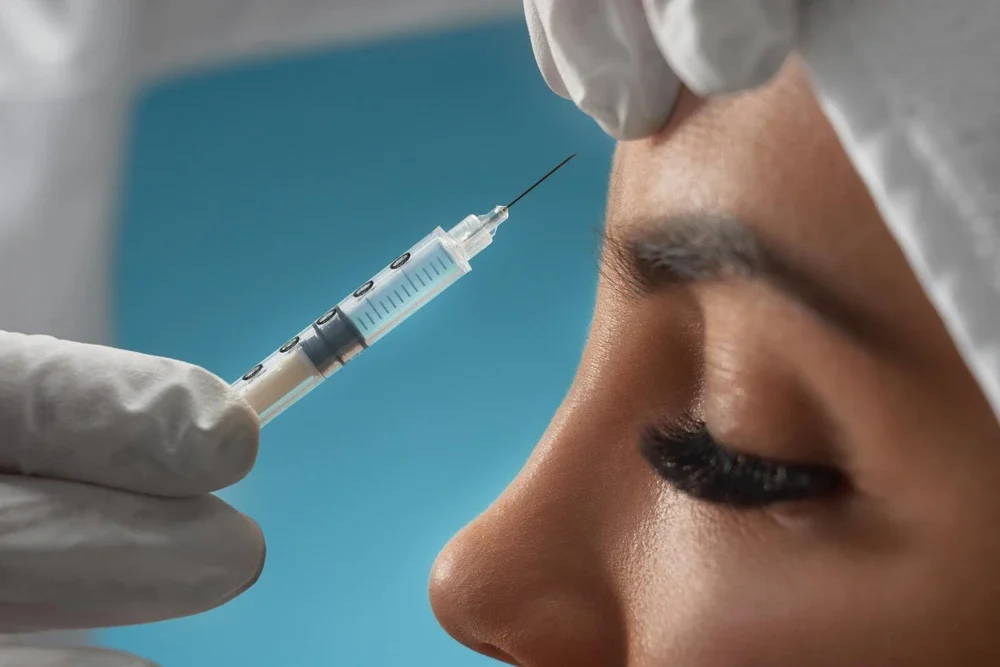
Reality: This claim is both scientifically false and quite frightening. Botox is a completely different substance that has nothing to do with snake venom. Botulinum toxin, the active ingredient of Botox, is a protein obtained from a bacterium called “Clostridium botulinum” by purification under extremely sterile and special laboratory conditions. It has been used safely in the medical world for over 40 years, not only for aesthetic purposes, but also in the treatment of many neurological diseases such as strabismus, migraine, excessive sweating (hyperhidrosis) and various muscle spasms. For more information on its safety and mechanism of action, Reputable health organizations such as the Mayo Clinic You can review patient information resources. In short, Botox is not a poison, but a highly effective drug when applied in the right doses and in expert hands.
Myth 3: "Completely freezes expression, eliminates facial expressions."
Reality: “The fear of a ”dull face“ or ”confused expression“ is perhaps the most common reason why people shy away from Botox. However, this result is not caused by the treatment itself, but by incorrect application technique, high dose use or the practitioner's lack of knowledge of facial anatomy. The main goal of the modern Botox approach is not to eliminate facial expressions, but to provide a natural appearance by softening excessive muscle movements. A specialist physician carefully plans which muscle, how much dose and at which point to inject. The aim is to preserve your natural expression while preventing the deep lines that appear when you frown or laugh. With personalized applications with lower doses such as ”Baby Botox", it is possible to achieve a much fresher and rested appearance while preserving the vitality of the expression.
Myth 4: "When the effect wears off, the skin will be worse than before."
Reality: This misconception also has no scientific basis. In fact, the opposite is the case. When the effect of Botox wears off, the muscles gradually regain their former mobility and the lines gradually return to their original state. They don't get “worse”, they just return to the state they were in before the treatment. In fact, since the skin in that area is prevented from wrinkling continuously during the 4-6 months that Botox is active, the deepening of the lines is prevented. For this reason, regular Botox applications also have a prophylactic effect, preventing wrinkles from becoming permanent.
Let's Create Your Appointment Now
Leave your name and phone number and we will call you to discuss the right treatment and an appointment time.
Reach us by phone+90 532 336 52 00Myth 5: "Botox is Addictive."
Reality: Botox does not contain any addictive chemicals and does not cause physical dependence. This misconception is often confused with psychological satisfaction. Patients are so pleased with the smooth, rested and youthful appearance that Botox creates that they choose to repeat the treatment regularly to maintain this appearance. This is a continuation of satisfaction with the results, rather than a physical addiction, just like a person who regularly colors their hair or skin care like a person who continues to do this habit.
Myth 6: "Botox is only for the elderly."
Reality: This is a view that is no longer valid. Today, Botox is used not only to treat deep wrinkles, but also to prevent wrinkles from forming and deepening. In this approach, called “Preventive Botox”, low doses are applied to people in their late 20s or early 30s in areas where the mimic muscles are very active. In this way, dynamic lines are prevented from settling on the skin over time and becoming permanent (static). In other words, Botox is a treatment that can be applied for different purposes for the needs of each age group.
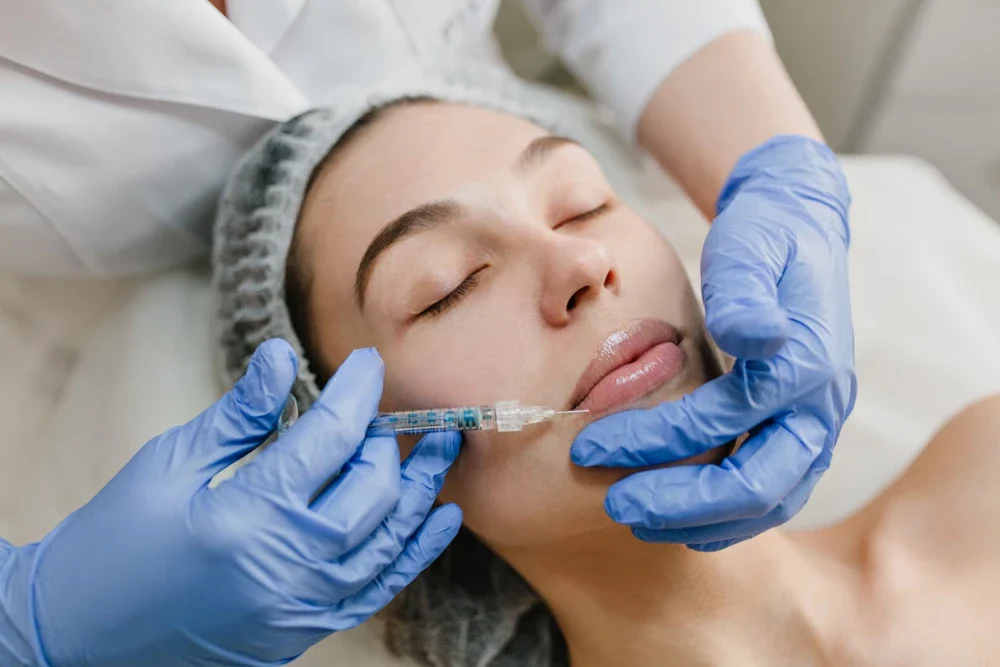
Myth 7: "Botox is only for wrinkles."
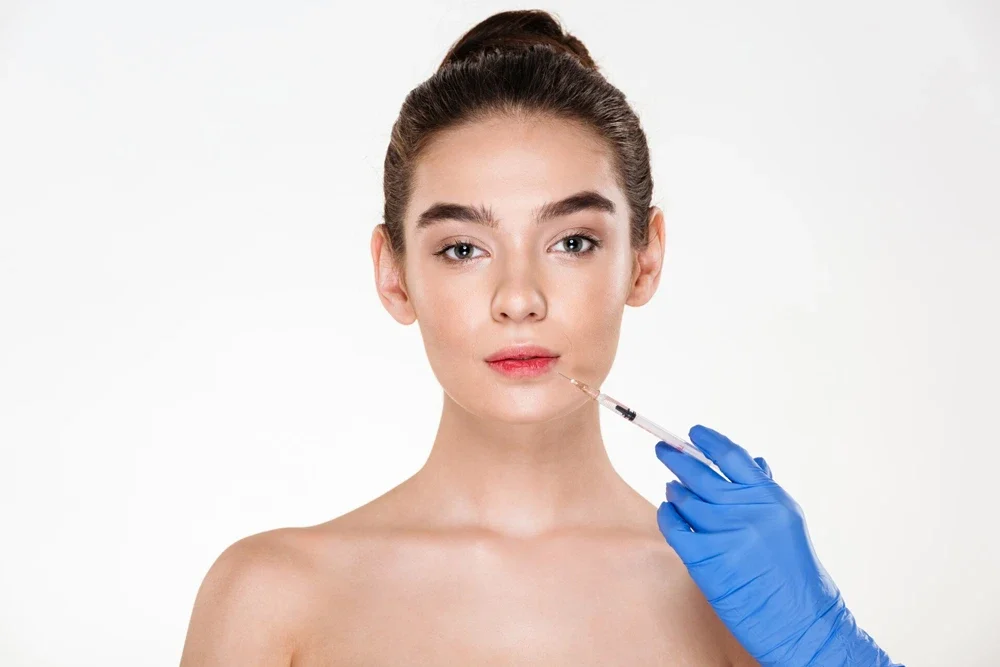
Reality: Although the most well-known use of Botox is wrinkle treatment, this is not its only use. Botox is a versatile drug in the field of medicine and aesthetics and gives extremely successful results in cases such as
- Excessive Sweating (Hyperhidrosis): It is used to control excessive sweating in the armpits, hands and feet.
- Bruxism and Facial Thinning: By applying to the jaw muscle (masseter), it both treats the problem of clenching teeth and provides a slimmer and oval appearance on the face.
- Migraine Treatment: It is an effective method to reduce the frequency and severity of chronic migraine attacks.
- “Gummy Smile” Correction: It is applied to the upper lip muscles to correct the excessive appearance of the gums when smiling.
Neck Rejuvenation (Nefertiti Lift): It helps to lift the vertical bands on the neck and sagging on the jaw line.
What Should Be Considered For A Correct Botox Application?
The key to getting safe and natural results from Botox treatment is to consult the right specialist. It is essential that a physician performs the treatment. It is vital for the naturalness of your expression that the physician who will perform the application has a great command of facial anatomy and applies the right product at the right dose and at the right points. Before the treatment, there must be a consultation process in which your expectations are clearly discussed with your doctor and a customized treatment plan is created for you.
In conclusion, Botox is a medical aesthetic treatment that is extremely safe, effective and has a high satisfaction rate when applied in expert hands. Focusing on scientific facts instead of the myths circulating about it will allow you to benefit from this modern and effective treatment in the right way. If you would like to get more information about Botox and create a customized treatment plan for you, we would be happy to inform you at our clinic in Kadıköy.
Application
Botox Treatment
You can have this procedure done at Dr. Melis Ülger’s office in Kadıköy Caddebostan.
Frequently Asked Questions
Does Botox cause facial swelling?
No. Botox is not a filler; it temporarily weakens muscle movement in the treated area. Adding volume to the face or plumping the lips is the purpose of dermal filler treatments.
Is Botox snake venom?
No. The active ingredient, botulinum toxin, is a protein purified from the bacterium Clostridium botulinum under sterile laboratory conditions and has no connection to snake venom.
Does Botox completely freeze facial expressions?
A frozen appearance is not caused by the treatment itself; rather, it results from improper application technique, high dosage, or a lack of understanding of facial anatomy. The goal of the modern approach is not to eliminate facial expressions, but to soften excessive muscle movement.
Is Botox used only for cosmetic purposes?
No. It has also been used in the medical field for over 40 years to treat conditions such as strabismus, migraines, excessive sweating (hyperhidrosis), and various muscle spasms.

You may also like
-
What to Do If Swelling After Botox Doesn’t Go Away
How long does swelling after Botox last, and which signs call for a doctor? Learn the difference between normal edema and persistent swelling, and book from Caddebostan. -

Botox Reviews: Real Patient Experiences
How do Botox patients describe the process? First-session expectations, concerns about looking natural and frequently asked questions from Dr. Melis Ülger’s clinic. -
Botox Brands: The Difference Between Botox, Dysport, and Xeomin
Botox Brands: What’s the difference between Botox, Dysport, and Xeomin? Dr. Melis Ülger explains the active ingredient, unit dosage, and onset of action.
 Türkçe
 English