







Laser Spot Treatment: Is It Safe and Effective in 2026?
30/07/2026
Before and After Nasolabial Filler: 2026 Results
03/08/2026What Is Botox for the Eye Area, and Where Is It Applied?
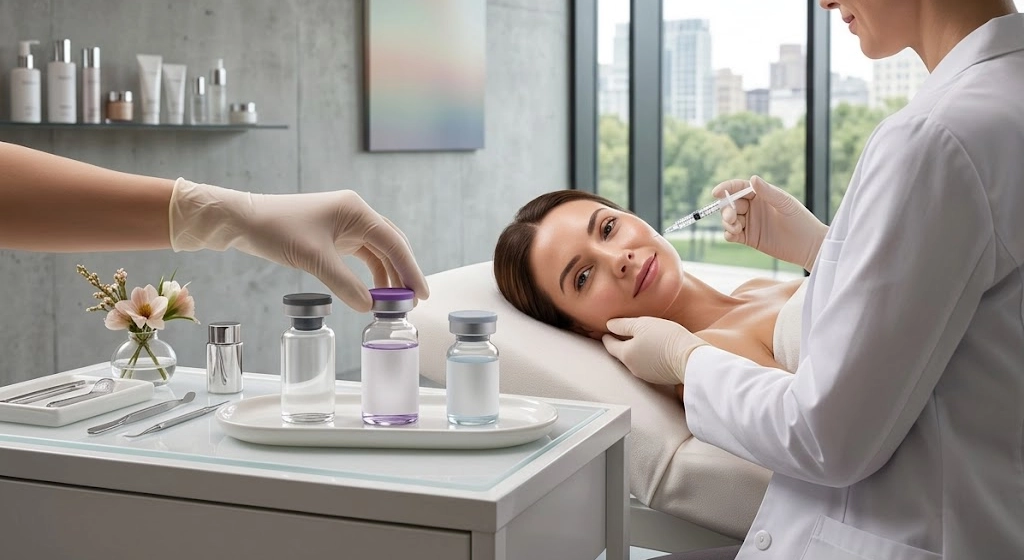
Those fine lines that appear at the corners of your eyes when you smile, and the tiredness evident in your morning gaze, are the first details my eye patients notice in the mirror. There’s a solution that works right here. Eye-area Botox is a non-surgical procedure that partially relaxes the orbicularis oculi muscle surrounding the eye using botulinum toxin, thereby softening crow’s feet and giving your eyes a more rested look. In other words, without any scalpel near the eye, muscle movement is balanced using just a few units of toxin.
In this article, I’ll address the topic without exaggeration: where exactly to apply the product around the eyes, why I use such a light dose under the eyes, and the limits and risks of slightly lifting the eyebrows. My goal is to show a realistic approach to giving your eyes a rest without freezing your facial expression.
Highlights
- Botox for the eye area is a non-surgical procedure that softens crow’s feet by relaxing the orbicularis oculi muscle that surrounds the eye.
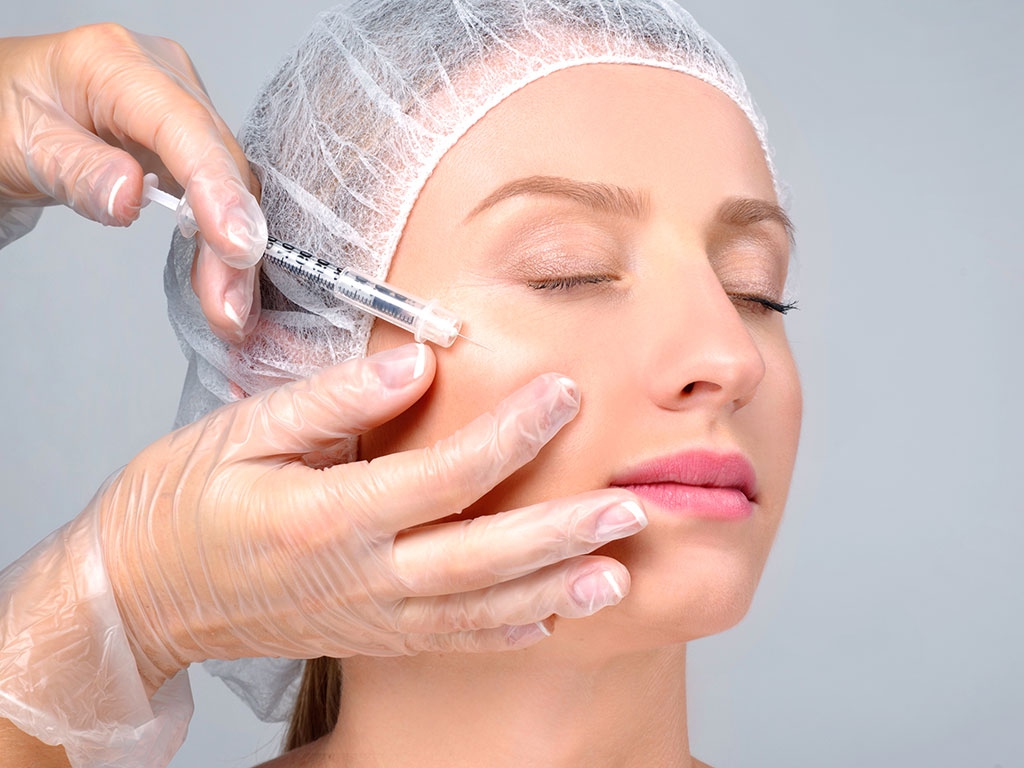
- The procedure takes a few minutes; small doses of botulinum toxin are injected near the corner of the eye.
- The results are not permanent; muscle strength around the eyes usually returns within 3–4 months.
- Botox injections under the eyes require special care; only a very small number of units are administered here, because too much can weaken the support of the lower eyelid.
- Botox for eyebrow lifting opens up the eyes by raising the outer corners of the eyebrows by a few millimeters; if overdone, it results in an unnatural arch.
What Is Botox for the Eye Area, and How Does It Work?
This treatment involves an injection that temporarily reduces the contraction of the orbicularis oculi muscle around the eye. The orbicularis oculi is a flat muscle that wraps around the eye like a ring and closes it. Botulinum toxin temporarily blocks the nerve signals to this muscle; as the muscle relaxes, the lines that spread to the corners of the eyes when smiling appear shallower.
The toxin's relaxing effect is not permanent. To Wikipedia's article on botulinum toxin According to this, the effect is temporary, and nerve conduction returns to normal on its own within a few months. It is precisely this temporary nature that actually instills confidence in an area like the eyes, which conveys your expression; any imperfections fade over time.
Yaygınlığına gelince, rakamlar konuşuyor. Uluslararası Estetik Plastik Cerrahi Derneği (ISAPS) derlemesinde botulinum toksini, cerrahi gerektirmeyen estetik işlemlerin yaklaşık %40’ını tek başına oluşturur. Botoksun temel mantığını what is botox As I explained in my article, the focus here is on adapting the same principle to the delicate area around the eye.
Why Do Crow's Feet Form?
Crow’s feet are fine lines that fan out from the corners of the eyes toward the temples. Every time you smile or squint, the orbicularis oculi muscle contracts and folds the skin. In young skin, these folds disappear when the muscle relaxes; over the years, the lines become permanent.
These are called dynamic wrinkles: lines that appear with movement and fade when the face is at rest. Since the skin around the eyes is the thinnest on the face, this area shows wrinkles early on. Sun exposure, smoking, and frequently rubbing the eyes accelerate the process.
The use of botulinum toxin in this area is no coincidence. In 2013, the U.S. Food and Drug Administration (FDA) approved the use of the toxin for treating crow’s feet. In other words, the lines around the eyes are one of the areas where this molecule is most commonly used.
Where Is Botox Injected Around the Eyes?
The eye area isn’t just a single point; the gaze is formed by three distinct regions working together. The most common treatment area is the “crow’s feet” region, which appears when you smile. The second is a small dose administered at the outer end of the eyebrow to lift it slightly; the third is a very fine dose applied under the eyes in select individuals.
Each area requires a different approach. The goal around the inner corner of the eye is to soften the line, around the outer corner is to open up the gaze, and under the eye is to relax the muscle that tightens when you smile. I don’t take a “one-size-fits-all” approach to the eye area; first, I observe you while you’re talking and smiling.
The table below lists the three main areas around the eyes and my priorities for each one side by side.
| Region | Purpose | Dose-based approach | Point to Note |
|---|---|---|---|
| Crow's feet (around the eyes) | Softening the side lines | Standard, a few points | Maintaining a dimpled smile |
| Eyebrow tail | Lift your eyebrow slightly | Minimal, targeted | To preserve its natural curve |
| Under eye | Relaxing the muscle that tightens when you smile | Very thin, in a select individual | Protecting the bottom cover support |
Why Does Under-Eye Botox Require a Low Dose?
Under-eye Botox involves injecting a very small amount of toxin into the muscle band immediately below the lower eyelid. In some people, the muscle under the eyes becomes more prominent when they smile, causing a slight bulge; this procedure is chosen to soften that movement. However, this area is the most high-risk area around the eye.
The reason is simple: this muscle also supports the closure of the lower eyelid and maintains tear balance. If too much is injected, the eyelid weakens, and dryness or slight puffiness may occur in the eye. For this reason, I approach under-eye injections only in patients with suitable anatomy, using a cautious approach and a minimal number of units.
If the problem under the eyes stems from a dark shadow or a hollow rather than muscle tissue, Botox is not the right solution. In such cases, I consider using fillers instead, because not every under-eye concern can be resolved with the same method.
Contact us
Create Your Appointment
How Is a Brow Lift with Botox Performed?
Botox for eyebrow lifting creates space for the eyebrow to rise by selectively relaxing the muscles that pull it down. There are muscles around the eyebrow that work against each other; some pull the eyebrow down, while the frontalis muscle on the forehead lifts it up. When the downward-pulling muscles are gently relaxed, the outer edge of the eyebrow rises by a few millimeters, and the eyes appear more open.
This lift is not a surgical eyebrow lift; it is subtle and natural. The goal is not to force the eyebrow upward, but to balance the low-set tail. Any more than that creates a “startled” or exaggerated arch, which is exactly what distorts the eye’s natural expression.
A brow lift is often considered in conjunction with a forehead lift, because the two share the same muscle balance. The role of the forehead in this equation is Get Botox I discussed this in detail in my article; when it comes to the eye area, the focus remains entirely on the outer corners of the eyebrows.
Balancing Dosage for a Natural Look
The secret to the eye area isn’t to erase lines, but to soften their appearance. The area around the eyes is where facial expressions are most pronounced; if the eye area is completely frozen, it looks stiff and mask-like. Let a little movement remain so your smile stays lively.
That’s why I administer a conservative dose during the first session. Two weeks later, we’ll evaluate the results together, and if necessary, I’ll make a small adjustment. It’s much easier to fill in a missing line later than to wait for excess toxin to wear off.
A natural smile that extends to the cheekbones partially creates crow’s feet; eliminating them completely makes the smile look artificial. A good result is one that makes you say, “I look well-rested,” when you look in the mirror—not, “I’ve had Botox.”.
Who Is It Suitable For, and Who Is It Not Suitable For?
Botox for the eye area may be suitable for healthy adults who are bothered by early- to moderate-stage dynamic lines that appear when smiling. Satisfaction is notably high among individuals with realistic expectations. It may not be sufficient on its own for deep and permanent lines; in such cases, skincare or other methods come into play.
In some cases, I postpone the procedure or do not perform it at all. I do not treat the area during pregnancy or while breastfeeding, or in individuals with neuromuscular disorders or allergies to the toxin. For people whose eyelids are already drooping, I’m much more careful in my selection, because treating the wrong spot can make the drooping appear worse.
If the excess skin around the eyes has reached the point of sagging, Botox won’t correct it. In such a case, my honest advice would be to recommend a different treatment. The final decision is always based on your examination and medical history.
What Are the Side Effects and Risks of Botox Around the Eyes?
When administered correctly, the side effects of Botox around the eyes are limited and mostly temporary. Short-term redness, mild swelling, or a small bruise may appear at the injection site; since the blood vessels in this area are thin, bruising occurs slightly more frequently around the eyes. These symptoms disappear within a few days.
The main risks discussed relate to dosage and technique. If the toxin injected into the "crow’s feet" area spreads incorrectly, the smile may appear asymmetrical; an excessive dose in the brow area can cause drooping of the eyelid (ptosis). Neither of these effects is permanent—they resolve on their own as the toxin breaks down—but they can be bothersome for a few weeks.
Most of these risks are significantly reduced when the procedure is performed by a physician with a thorough understanding of anatomy. The fact that the effects are temporary is the most important factor in ensuring safety. Nevertheless, when it comes to a sensitive area like the eye, the choice of physician determines not only the naturalness of the result but also the safety of the procedure.
Post-Procedure Care and Longevity
No special recovery period is required after this procedure; most patients return to their daily activities the same day. It is sufficient to avoid rubbing the area, bending forward for extended periods, and engaging in strenuous exercise for the first few hours. Any minor redness will subside quickly.
Almost everyone’s first question is how long the results will last. The muscles around the eyes usually regain their former strength within 3–4 months; those who want to maintain a rested look get touch-ups a few times a year. If you’re wondering about the general duration of the toxin’s effects Is Botox permanent? The details in the article will be helpful to you.
The area around your eyes is the part of your face that most clearly reveals your expression. Botox When planning, my priority is to preserve those natural facial expressions while giving your eyes a rest. If crow’s feet or a tired look bother you, Communication You can visit our website to schedule an initial consultation at our clinic in Caddebostan. Every eye is different; I’ll create a personalized treatment plan for you after your examination.
Frequently Asked Questions
How many months does the effect of Botox around the eyes last?
The effects typically last 3–4 months. At the end of this period, movement in the muscles around the eyes gradually returns. Those who wish to maintain the results schedule a few touch-up sessions throughout the year.
Does the app make my eyes look narrow or dull?
Apply the right amount; the goal is not to completely stop movement but to soften it. A stiff appearance is usually caused by too much toxin. Leaving a little facial expression helps keep the eyes lively.
Is it safe to get Botox under the eyes?
In the right patient, it is safe when administered in very small doses. Only a small number of units are injected here to avoid compromising the support provided by the lower eyelid. If the problem stems from bruising or indentation rather than muscle, a different method—not Botox—is considered.
Is eyebrow loss a permanent condition?
No, it is not permanent. Eyebrow or eyelid drooping usually results from an excessive dose or injection at the wrong site and subsides as the toxin breaks down. Starting with a measured dose of just a few units minimizes this risk from the outset.
Can crow's feet be completely eliminated with Botox?
Botox significantly softens dynamic crow’s feet lines caused by movement. It may not be sufficient on its own for deep lines that are visible even when the face is at rest; in such cases, a skincare regimen is added. The most appropriate treatment plan is determined during the consultation.
How long after the transaction will I see the result?

Appointment & Contact
Contact our clinic for reliable and personalized planning in medical aesthetic applications.
Write to Us
Let's Create Your Appointment Now
Application
Botox Treatment
You can have this procedure done at Dr. Melis Ülger’s office in Kadıköy Caddebostan.
Sources
Related Articles

 English