







Kadikoy Hair Mesotherapy
16/09/2025
What is Medical Aesthetics and Why Is It Becoming Popular?
18/09/2025Highlights
- HydraFacial helps control acne by cleansing the pores.
- There is debate over whether the method is sufficient on its own for treating acne.
- The importance of distinguishing between active acne and scars and blemishes is emphasized.
- The discussion covers how the application was planned and its limitations.
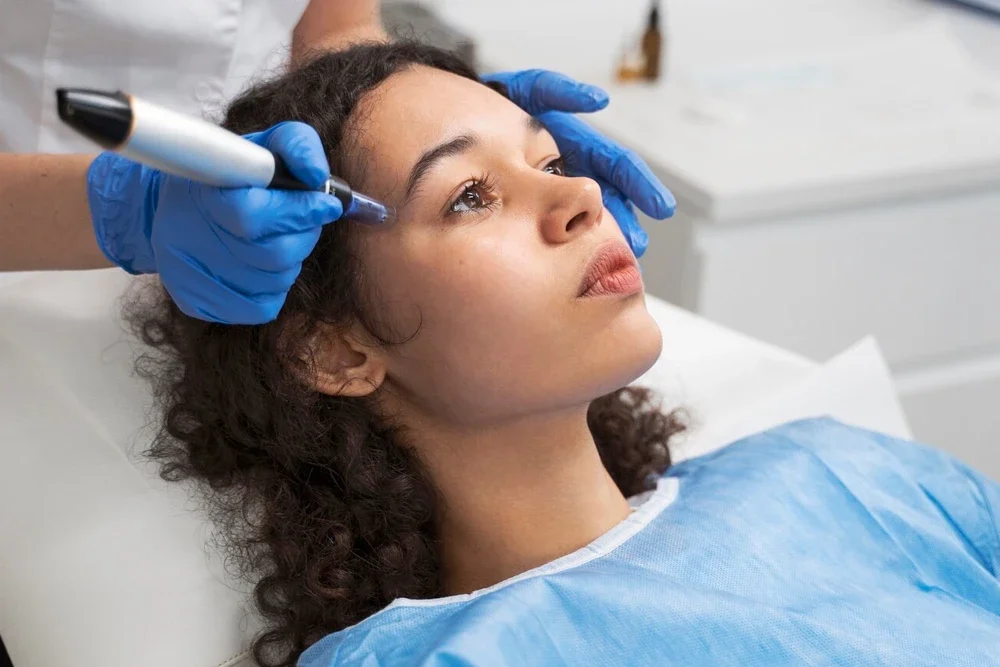

Application
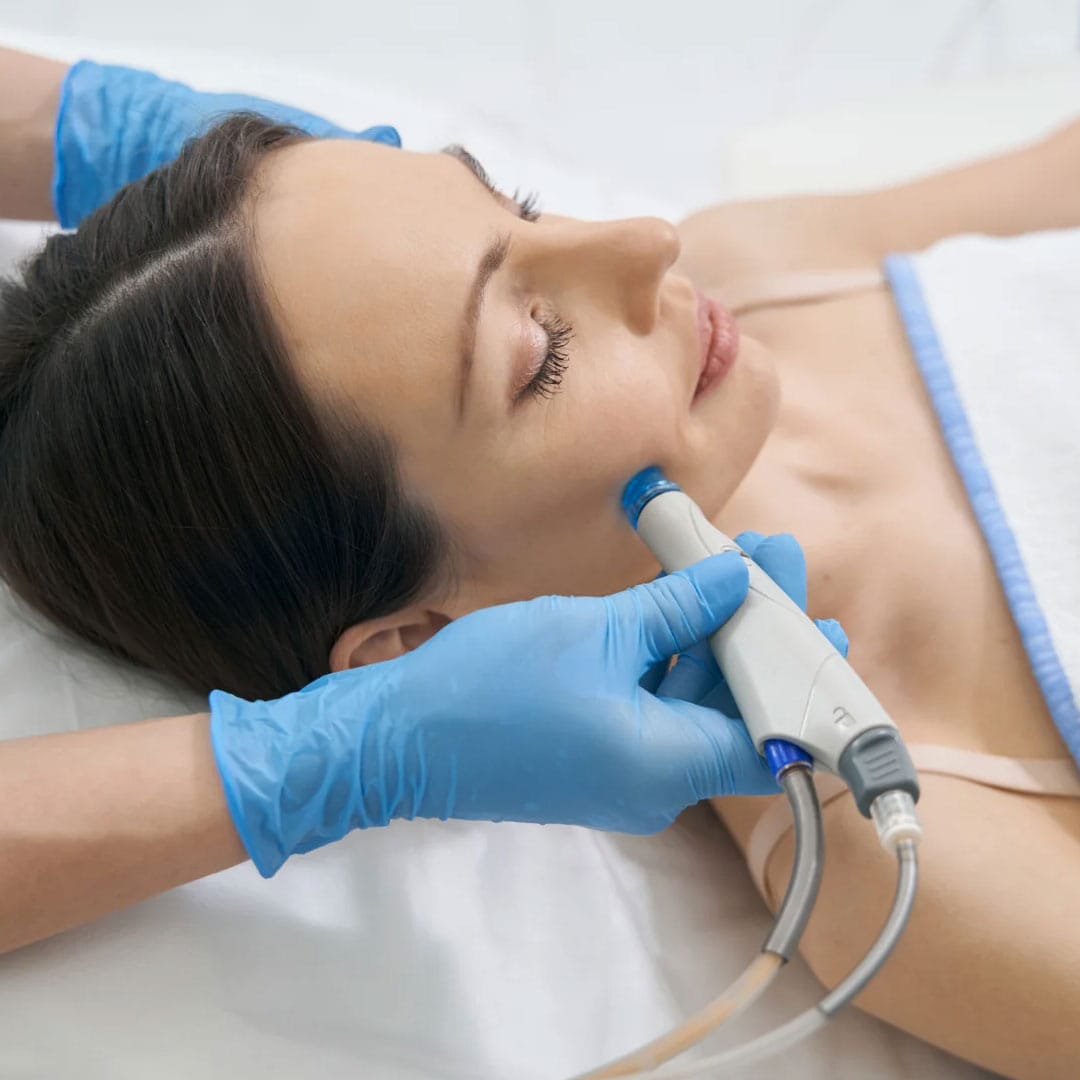
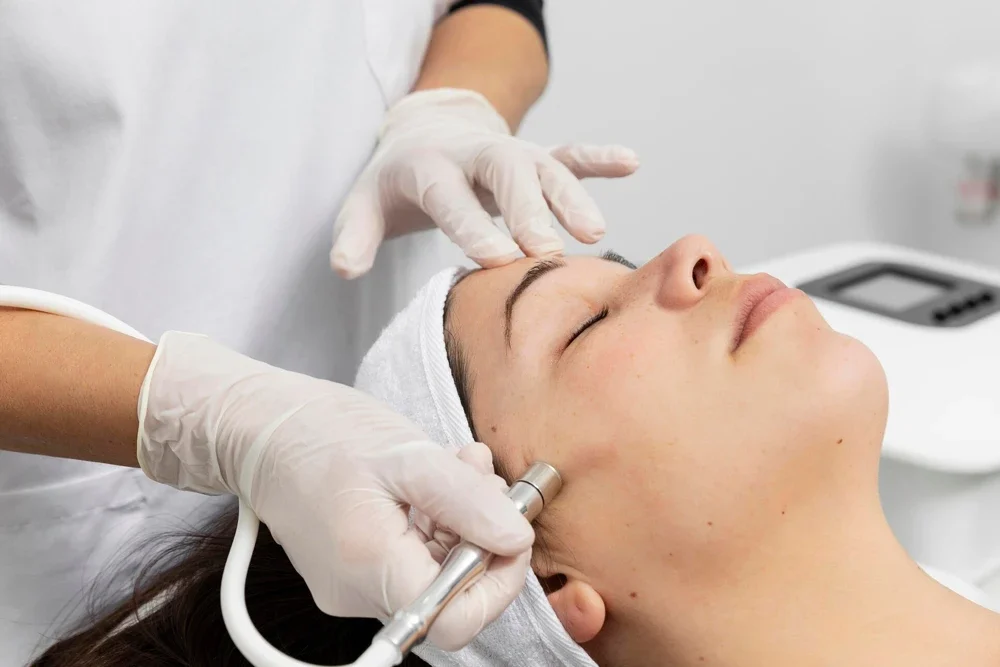
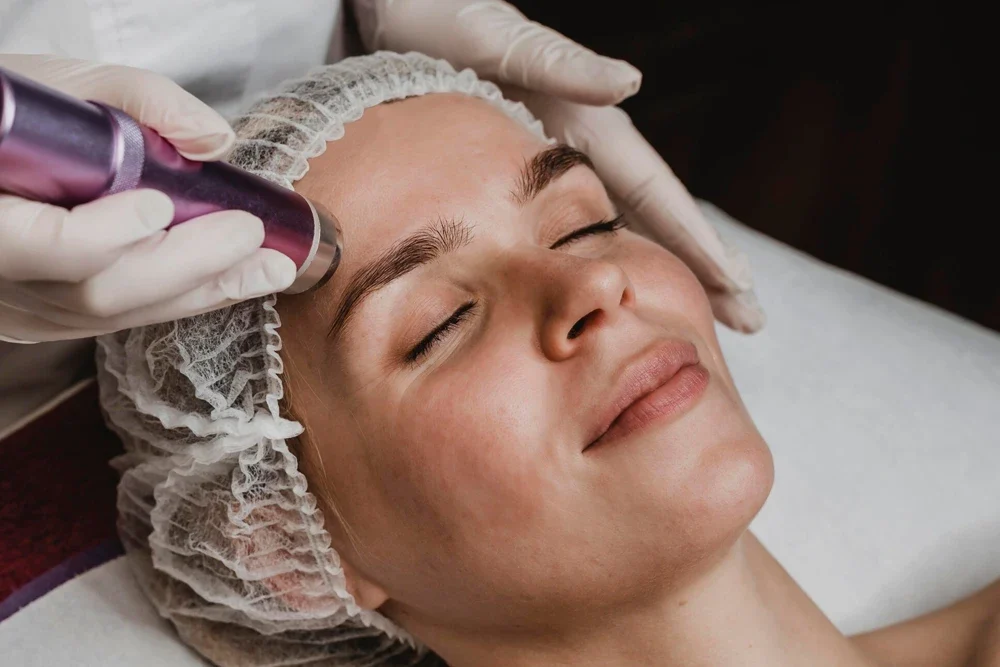
HydraFacial Treatment
You can have this procedure done at Dr. Melis Ülger’s office in Kadıköy Caddebostan.
Frequently Asked Questions
How does acne develop?
Due to a combination of four factors. Sebaceous glands produce excessive sebum due to hormonal imbalance, stress, or genetic predisposition; the sebum, combined with dead skin cells, clogs the pores, leading to the formation of blackheads and whiteheads; the clogged, oxygen-deprived pore creates an environment conducive to the proliferation of P. acnes bacteria; and the body’s response to this leads to the development of inflammatory acne.
What should you avoid if you have acne-prone skin?
Scrubbing the skin too hard, using exfoliants with granules, or squeezing pimples without thinking. These aggressive actions can both spread infection and leave permanent spots and scars; they damage the skin’s protective barrier.
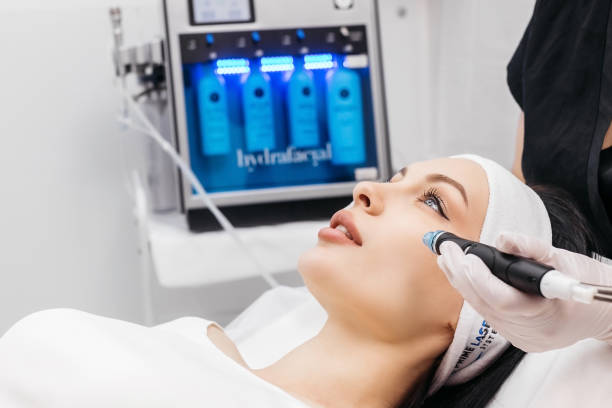
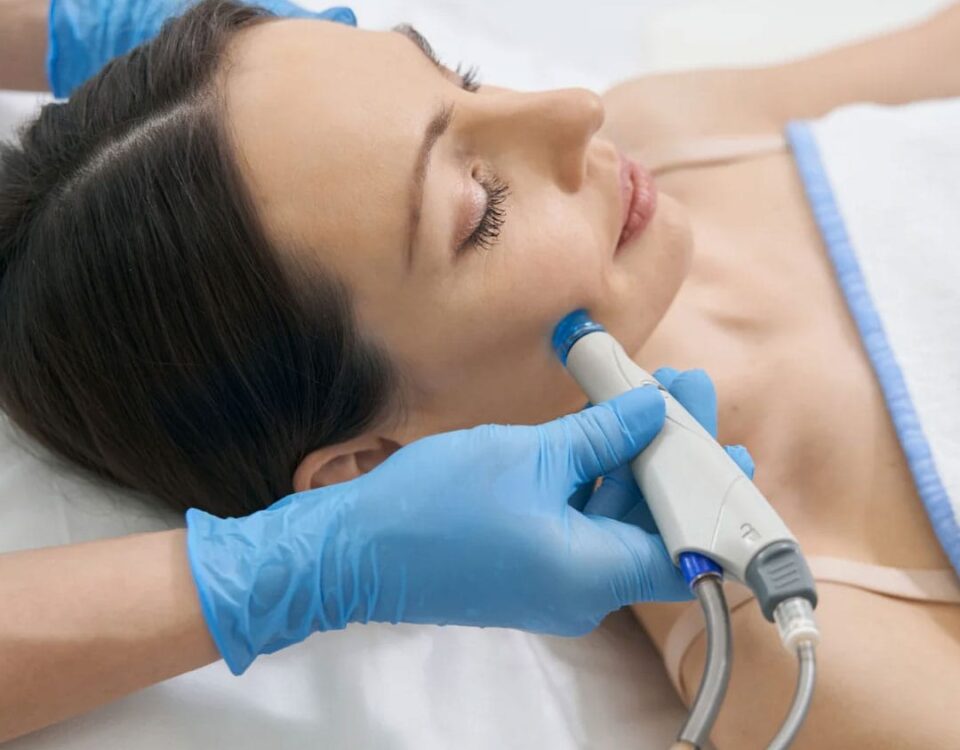
How does HydraFacial work for treating acne?
With a philosophy that is the exact opposite of aggressive methods. It focuses on the root causes of the problem—clogged pores and excess sebum—by gently yet thoroughly cleansing the skin without causing damage. By strengthening and soothing the skin’s barrier, it helps control the inflammatory process caused by acne.
What ingredients are used in the treatment?
Solutions specially formulated for acne-prone skin, containing salicylic and glycolic acids. This gentle blend of acids dissolves dead skin cells and the oil that clogs pores, creating a mild exfoliating effect without irritating the skin.
 English