


Hydrafacial Winter Prep: How to Prepare Your Skin for Cold Weather

As we leave the bright, sunny days of summer behind, our skin faces its toughest test of the year. A Hydrafacial winter prep session is a medical skin treatment that gently removes the layer of dead cells left over from summer and cleans the pores, then loads the skin with a hyaluronic acid serum so that it enters the cold months with a hydrated, balanced barrier. In short, it prepares the skin before the cold arrives instead of chasing the damage afterwards.
In this article I explain exactly what cold, wind and central heating do to the skin, why the moisture barrier matters so much, and where the session fits into a winter routine. We will also talk about session intervals, what needs to change at home and the habits you should avoid in winter.
Highlights
- Because a Hydrafacial winter prep session combines exfoliation and intense hydration in one session and requires no recovery time, it can be done comfortably in the cold months.
- The US Environmental Protection Agency (EPA) recommends keeping indoor relative humidity ideally between 30% and 50%; in homes with central heating it often falls below this in winter.
- About half of the protective lipids in the skin's top layer are ceramides; that is why switching to a moisturiser with ceramides in winter makes sense.
- A few sessions 2-4 weeks apart as winter begins, followed by a monthly maintenance session, is a reasonable plan for most skin.
- Sessions do not remove a tendency to dryness; together with home care, they help the skin get through winter with less tightness and flaking.
Winter Is Coming: Is Your Skin Ready for the Cold?
Seasonal transitions are always stressful periods for skin biology. But the transition from autumn to winter is the one that challenges the skin's defence mechanisms the most. Skin that has been tired and thickened by the sun, sea and chlorine in summer starts to crack and become sensitive when it meets the winter cold.
If you send your skin into this period dehydrated and unprotected, tightness, redness and dry, eczema-like patches appear much more easily. That well-known "winter pallor" is also often a sign that the skin's moisture reserves have run out.
What Does Skin Go Through in Cold Weather?
In cold weather the skin does not just dry out from the surface; several factors come into play at once. Low temperatures and harsh wind outside and dry heated air inside squeeze the skin from two sides. I described the general picture of dryness and its symptoms in detail in my article on winter skin dryness ; here I focus on the part that matters for Hydrafacial.
Moisture Loss and Transepidermal Water Loss (TEWL)
In winter the humidity in the air drops and water on the skin's surface evaporates faster. We call this transepidermal water loss (TEWL). The US Environmental Protection Agency (EPA) recommends keeping indoor relative humidity ideally between 30% and 50%. In a home where the heating is on from morning to night, falling below this range is not hard at all.
As moisture loss increases, fine lines suddenly look more visible and the skin feels "a size too small" all day. If the cream you apply in the morning seems to have vanished by the afternoon, this is very likely one of the reasons.
Slowing of Blood Circulation and Dullness
In the cold, our body narrows the vessels near the surface to preserve heat (vasoconstriction). This means less blood flow and less oxygen reaching the skin. Skin with less oxygen loses its lively pink tone and turns greyish and dull.
Winter Skin Dryness and a Weakened Moisture Barrier
The moisture barrier is the protective wall formed by the cells of the stratum corneum, the skin's top layer, and the lipids that fill the spaces between them. You can think of the cells as bricks and the lipids between them as mortar. According to Feingold's 2007 review in the Journal of Lipid Research, about 50% of this mortar by weight is ceramides, 25% cholesterol and 10-20% free fatty acids.
In winter this mortar thins and the wall starts to crack. This is exactly where what we call winter skin dryness develops: water escapes outwards, and wind and cold get in more easily.
Why Is Hydrafacial a Suitable Treatment in Winter?
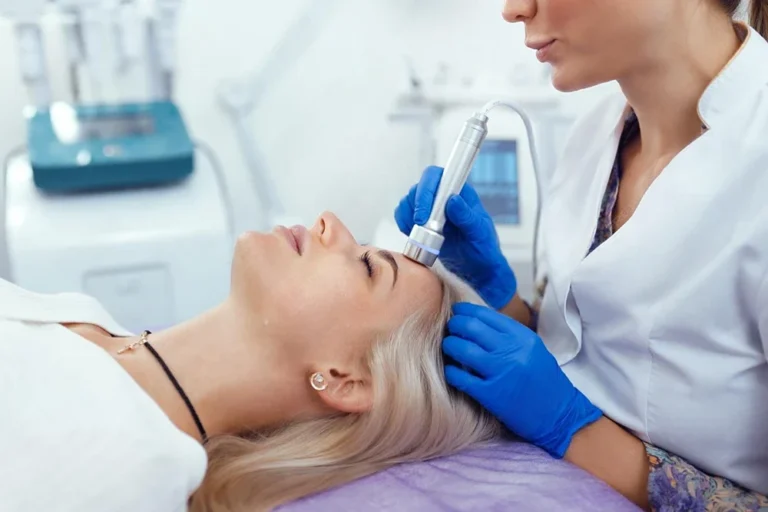
Going into winter, the skin has two basic needs: to be cleared of the layer of dead skin left over from summer, and to be saturated with moisture. Classic facials or masks done at home mostly hydrate only the surface. Hydrafacial , on the other hand, combines cleansing, exfoliation and hydration in a single session with its Vortex-Fusion technology.
This has a special value in winter. Procedures such as deep chemical peels or aggressive lasers can leave the skin red and peeling for several days, which may be too much for sensitised winter skin. Hydrafacial usually requires no recovery time; most of my patients leave the session and carry on with their day.
Hydrafacial Winter Prep Protocol: A 3-Step Protective Shield
The protocol I use for winter focuses on strengthening the barrier. I adjust the solutions and vacuum strength according to the skin's condition on the day; for dry and sensitive skin I keep the acid concentration low.
1. Dead Skin Removal: Clearing the Way for Creams
Over the summer, the skin thickens to protect itself from the sun. This thick layer of dead skin makes it harder for your moisturisers to be absorbed. Gentle exfoliation with the Activ-4 solution thins this layer and helps the rich creams you will use in winter reach the skin better.
2. Pore Refining: Preparing for Heavy Winter Creams
In winter we usually switch to thicker creams with a higher oil content. If the pores are already clogged, these creams can trigger breakouts in some skin. The vacuum stage of the session empties the pores and prepares the skin for this transition.
3. Intense Hydration Infusion: Hyaluronic Acid Support
This is the most critical stage of winter care. Antiox+ serum is delivered to the cleansed skin with a vacuum-assisted tip. The hyaluronic acid in the serum acts like a moisture magnet that draws water to itself and helps hold it in the upper layers of the skin.
Tackling Summer Spots in the Winter Months
Winter is also a good time to deal with sun spots left from summer; the sun is weaker and we spend less time outdoors. The Britenol booster serum I add to the Hydrafacial protocol helps lighten the appearance of spots with its vitamin C and alpha-arbutin. For pronounced spots, it may be necessary to plan the treatment with lasers such as Baby Face Ultra (LaseMD Ultra); we assess this together after a skin analysis.
Let's Create Your Appointment Now
Leave your name and phone number and we will call you to discuss the right treatment and an appointment time.
Reach us by phone+90 532 336 52 00Winter Session Plan and Home Care Table
The table below summarises how I structure sessions and home care through the winter. It is a template; I always adapt the plan to your skin.
| Period | In the clinic | What changes at home |
|---|---|---|
| Late October – November | Prep sessions 2-4 weeks apart | Switching from a water-based lotion to a ceramide cream |
| December – January | A monthly maintenance session, red LED if needed | Cleansing with lukewarm water, a non-foaming cleanser |
| February | A monthly session, a booster targeting spots | A humidifier in the bedroom |
| March | Transition-to-spring session | Gradually lightening the cream texture |
| Throughout winter | Adjusting the interval with skin analysis | Broad-spectrum sunscreen every morning |
How Many Sessions in Winter, and How Often?
For most of my patients I plan 2-3 sessions 2-4 weeks apart as winter begins, then we move to a monthly maintenance session. The monthly interval matches the skin's renewal rhythm and does not let the moisture we have gained melt away in the middle of winter. For the general logic of session numbers, see How many HydraFacial sessions? you can find in my article.
Red LED light is a step I often add to my winter prep session. There are studies suggesting that red light supports collagen production; I use it more as a soothing finish for the skin. If you are curious about all the stages of the treatment, for hydrafacial skin care you can take a look at my article.
What Should Change in Your Winter Skin Care Routine?
At home, you preserve what we load into the skin in the clinic. Winter skin care does not work by continuing exactly the same routine as in summer; a few small changes make a big difference.
– Switch to lukewarm water: Coming in from the cold and washing your face with hot water dissolves the skin's protective oils and increases dryness. Use lukewarm water both for your face and in the shower.
– Enrich your moisturiser: The light lotion you used in summer may not be enough in winter. Switch to a barrier-repairing cream that contains ceramides, cholesterol and fatty acids.
– Soften your cleanser: Very foamy gels leave the skin squeaky. A soap-free cleanser with a cream or milk texture is better suited to winter.
– Don't give up sunscreen: Even though the winter sun is weak, UVA rays reach the skin on cloudy days too. If you are going to snowy areas, the reflection effect increases even further.
American Academy of Dermatology also recommends short, lukewarm showers, applying moisturiser right after bathing and fragrance-free products for dry skin. These recommendations are the cheapest way to preserve Hydrafacial results in winter.
Which Mistakes Should You Avoid in Winter?
Some well-meant habits in winter can take away the moisture we gained in the session within a few days:
– Trying to "open up" drying skin with harsh, grainy scrubs. Flaking goes away with moisturising, not rubbing.
– Layering strong actives such as retinol, AHAs and BHAs on the same evening. Reducing how often you use these actives in winter is good for most skin.
– Leaving your face uncovered in windy weather and constantly licking your lips.
– Sleeping next to the radiator and never thinking about the humidity in the room.
– Going into a sauna, hammam or very hot shower right after the session.
Realistic Expectations: Does Hydrafacial Solve Winter on Its Own?
The honest answer: no. Hydrafacial helps you enter winter with a stronger barrier and feel dryness later and more mildly. But if you have hereditarily dry skin or a condition such as eczema, sessions cannot replace treating it.
After the first session the skin usually looks plumper and more radiant. A lasting difference appears within a few weeks when regular sessions and the right home care come together. If there is marked redness, cracking or itchy patches, their cause needs to be assessed first.
Our Approach to Winter Prep at Our Clinic in Kadıköy
Kadikoy At my clinic in Caddebostan I start winter care with a skin analysis. I look at the skin's moisture level, sensitivity and any spots left from summer, and set the Hydrafacial protocol, the choice of booster and the session interval accordingly. My aim is for your skin to enter winter prepared, balanced and comfortable.
Not every skin enters winter from the same point; some arrive with spots from summer, others with an already tight barrier. If you would like to see together what your skin needs this winter, use the Contact page to reach our clinic in Caddebostan and make your plan before the cold sets in. Dr. Melis Ülger, Medical Aesthetics Specialist. She plans Hydrafacial sessions together with barrier-focused home routines for skin that loses moisture during seasonal transitions.
The information on the moisture barrier, the winter session plan and home care in this article has been reviewed for medical accuracy by Dr. Melis Ülger, Medical Aesthetics Specialist.
Application
HydraFacial Treatment
You can have this procedure done at Dr. Melis Ülger’s office in Kadıköy Caddebostan.
Frequently Asked Questions
Why does skin dry out more in winter?
Cold and wind thin the lipid barrier in the skin's outermost layer and speed up water loss. Add central heating and air conditioning lowering the humidity indoors, and the skin stays in a dry atmosphere all day.
Do hot showers damage the skin?
Long, hot showers dissolve the oil layer that protects the barrier. For people who complain of dryness in winter, reducing shower time and water temperature is a simple change that can make a difference on its own.
What should change in a winter skin care routine?
The most frequently skipped step is the cleanser. Foaming and mattifying products left over from summer weaken the barrier of winter skin even further. Just making the moisturiser heavier is not enough; the order of products also needs to be reviewed for the season.
How often should sessions be done in the winter months?
The general approach is one session every four to six weeks. Skin type and the current level of dryness change this interval; the session plan is set individually during the consultation.
Why are autumn and winter a good time?
Because sun exposure is lower, protection after the procedure is easier. This makes autumn and winter the most convenient time of year to plan treatment sessions.
Frequently Asked Questions
Why does skin dry out more in winter?
Low outdoor humidity, wind and indoor heating speed up water loss from the skin. At the same time, the skin's protective lipid layer also thins. The result shows itself as tightness, flaking and dullness.
Do hot showers damage the skin?
Long, very hot showers can dissolve the skin's natural oils and increase dryness. In winter it works better to keep showers short, use lukewarm water and apply moisturiser within a few minutes of patting dry with a towel.
What should change in a winter skin care routine?
The cleanser should become gentler, the moisturiser richer, and you should switch to a product containing ceramides. The frequency of strong actives can be reduced. Sunscreen should stay in the routine every morning in winter too.
How often should sessions be done in the winter months?
A few sessions 2-4 weeks apart as winter begins, followed by a monthly maintenance session, is enough for most skin. I set the interval after a skin analysis, according to the skin's hydration and sensitivity.
Why are autumn and winter a good time?
In these months, when the sun is weaker, it is easier to deal with summer damage and prepare the skin for the cold. Sun exposure after exfoliation also stays lower than in summer.
Can I go out into the cold right after a session?
Yes, Hydrafacial usually requires no recovery time. Still, on the day of the session it is a good idea to protect your skin from the wind, apply moisturiser and sunscreen and stay away from hot environments.

You may also like
-
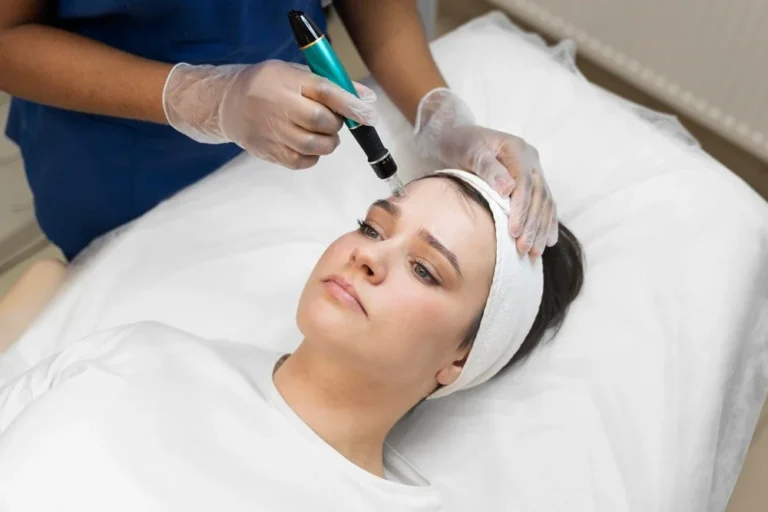
How Does Hydrafacial Help with Oily Skin?
What does Hydrafacial do for oily skin? Dr. Melis Ülger explains sebum balance, session frequency and home care. Contact us to book in Kadıköy. -
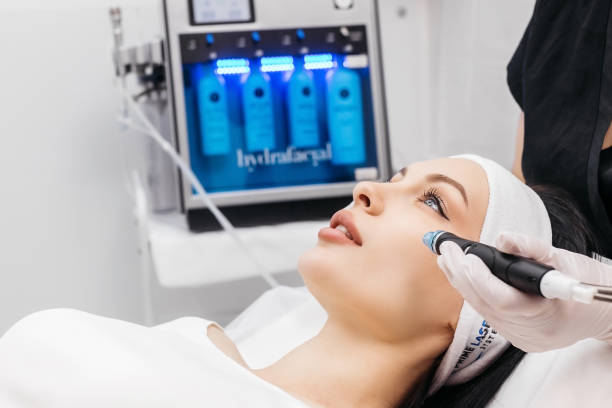
HydraFacial Reviews: 2026 Real Experiences
Are HydraFacial reviews reliable? Why do most negative reviews come from counterfeit devices, and how can you tell if a review is genuine? Book an appointment in Caddebostan. -
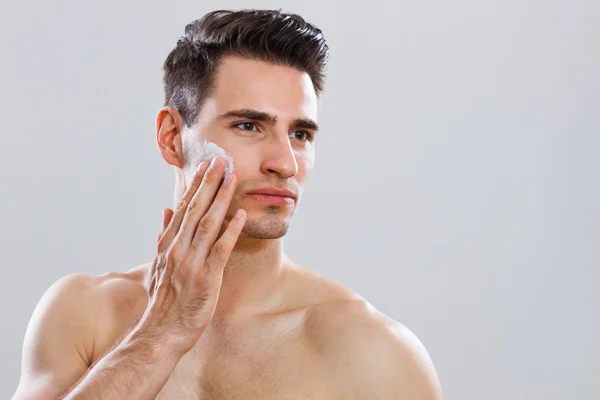
Men's Skincare: A 2026 Guide to Hydrafacial
Why is men’s skincare different? Dr. Melis Ülger explains how HydraFacial can help skin that is thick, oily, and damaged by shaving. Book an appointment.
 Türkçe
 English