








How to Choose a Mesotherapy Cocktail? Personalized Planning
30/09/2026Post-Summer Skin Care: Why Are September and October the Right Time?
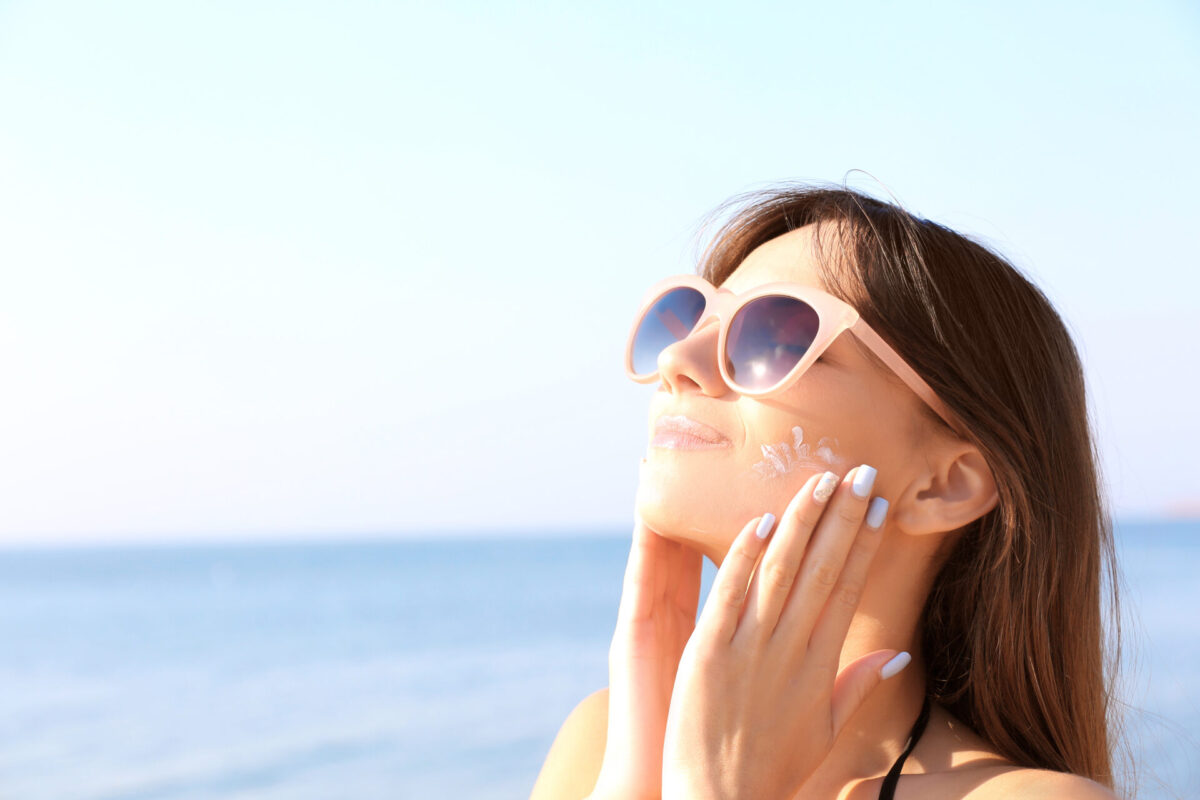
If that sun-kissed glow from your vacation photos has given way to a blotchy, dry, and slightly roughened complexion by mid-September, you’re not alone. Post-summer skincare is a plan designed to repair, in the right order, the damage accumulated on the skin over three months from sun, sweat, and air conditioning. For most clients, the ideal time is late September through October, because sun exposure decreases and post-treatment protection becomes easier.
In this article, we’ll discuss what builds up on the skin during the summer, why the damage appears later, and which treatment is best for each concern. Let me say this up front: there’s no single treatment that can erase everything in one session, but a plan structured in the right order will prepare your skin much better for winter.
Highlights
- The best time for post-summer skin care is late September and October, when sun exposure has decreased significantly.
- Dünya Sağlık Örgütü’ne göre yeryüzüne ulaşan ultraviyole ışınların yaklaşık %95’i UVA’dır ve bu ışınlar bulutlu sonbahar günlerinde de cilde ulaşır.
- In the summer, the skin most commonly develops dark spots, dryness, thickening of the skin’s surface, and more noticeable pores; each of these issues responds to a different treatment method.
- The sequence is established as follows: first, barrier and moisture control; second, surface renewal; and finally, stain and texture-targeted treatments.
- Repair of sun damage progresses at intervals of a few weeks; the results become apparent gradually, depending on the cell renewal cycle.
What Changes Happen to the Skin as Summer Ends?
During the summer months, the skin faces three distinct challenges at the same time: UV exposure, sweating, and increased sebum production due to the heat, as well as the constant transition between air-conditioned environments and the outdoors. The effects of these challenges are not usually immediately visible; they become apparent in September and October.
There are three complaints my clients mention most often in the fall: uneven skin tone, dark spots becoming more noticeable, and the skin not reflecting light as well as it used to. All three stem from the same cause.
What Builds Up on the Skin in the Summer?
Blemishes and uneven skin tone. Pigment clusters in areas most exposed to the sun, such as the cheekbones, forehead, and upper lip. Post-summer spots often darken in September because as the tan fades, the uneven skin tone underneath becomes visible.
Dryness and tightness. Sea salt, pool chlorine, and the dry air from air conditioning wear down the skin’s barrier. After summer, dry skin manifests as tightness in the morning, flaky makeup, and a skin surface that reddens easily.
Thickening and dullness. The skin protects itself by thickening its outermost layer to shield against the sun. This protective layer is effective in the summer, but by fall, it remains as a dull and rough texture.
Pore appearance. Increased sebum production causes the pores to become more active and their edges to become more pronounced. The sides of the nose and the inner parts of the cheeks are the areas where this change is first noticeable.
Why Does Sun Damage Take Time to Show Up?
Ultraviolet rays stimulate melanocytes, and these cells produce melanin as a protective measure. It takes time for the pigment produced to reach the skin’s surface; for this reason, the visible result of the stimulation that accumulates throughout the summer becomes apparent at the end of the season.
The same is true for collagen. Ultraviolet radiation activates enzymes that break down collagen fibers. The visible signs of this effect—fine lines and sagging skin—become noticeable weeks later.
Işının türü de işin içinde. Dünya Sağlık Örgütü’ne göre yeryüzüne ulaşan ultraviyolenin yaklaşık %95’ini UVA oluşturur. UVA derine iner, cam ve buluttan geçer; yani hasar yalnızca plaj günlerinde değil, arabada ve cam kenarında geçen saatlerde de birikir.
Why Do Repairs Begin in the Fall?
The answer can be summed up in a single sentence: Since sun exposure has decreased, post-procedure protection is now truly possible.
Most skin-rejuvenating treatments leave the skin more sensitive to the sun in the post-treatment period. It is difficult to manage this sensitivity in July; in October, however, daily sun exposure naturally decreases. This helps both preserve the results and reduce the risk of new pigmentation.
The second reason is the schedule. Treatments carried out throughout the winter allow the skin to recover by the time spring arrives. A regimen started in the fall can be completed before summer arrives; that’s why fall skincare also serves as preparation for the following summer.
What Is the Correct Order for Post-Summer Skincare?
The most common mistake made during post-summer skin care is starting right away with the most intensive treatment. However, skin whose barrier has been compromised over the summer may not be able to tolerate an intensive treatment.
The general approach follows this sequence: first, repairing the skin barrier and restoring moisture balance; next, removing the buildup of dead skin cells on the surface; and finally, treatments targeting pigment and tissue. If this sequence is skipped, results take longer to appear, and the risk of irritation increases.
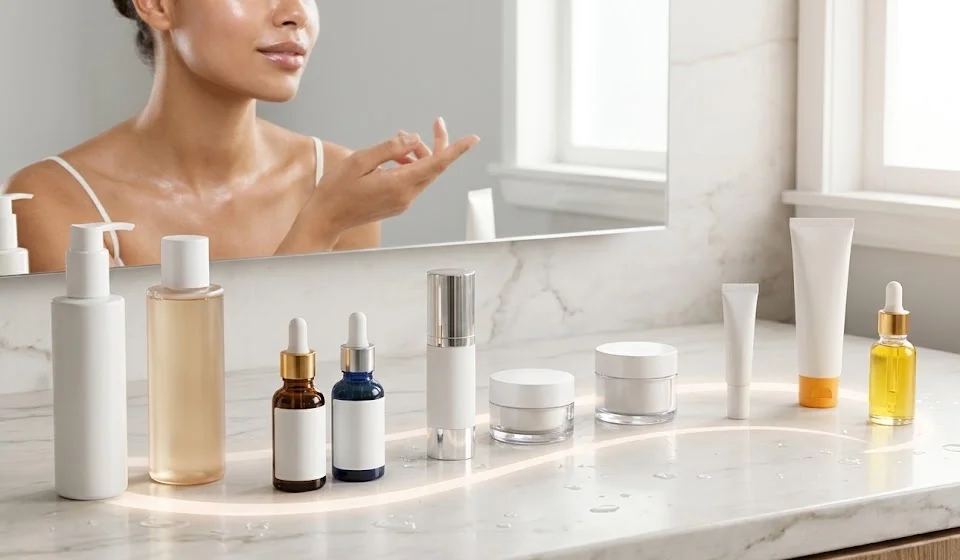
Your skincare routine should also follow this order. In the first few weeks, a gentle cleanser, a barrier-friendly moisturizer, and sunscreen are sufficient; active ingredients such as acids and retinol should be added one at a time once the skin has settled.
Contact us
Create Your Appointment
Which Complaint Requires Which Procedure?
Two skin types experiencing the same season may have very different needs in the fall. The table below summarizes the complaints I most frequently encounter during examinations and the methods I typically use to assess them. The final decision is always made after a face-to-face evaluation.
| Post-Summer Complaint | Method Under Evaluation | Recommended Schedule |
|---|---|---|
| Dryness, tightness, tendency to blush easily | Hydration and barrier support with mesotherapy or Hydrafacial | Early September, as a first step |
| Dull, rough, and thickened surface | Deep Cleansing and Skin Rejuvenation with Hydrafacial | Mid-September, once the barrier is back in place |
| Sunspots, uneven skin tone | Laser treatment, specifically the Baby Face (LaseMD) treatment | Between October and winter, at 3- to 4-week intervals |
| Visible pores, skin texture irregularities, fine lines | Golden Needle (Scarlet X) | After planting, at 4- to 6-week intervals |
| Stain and fabric issue combined | A step-by-step plan: first the laser, then the gold needle | Throughout the winter, to be completed before spring |
The ranges in the table are for guidance only; skin type, spot depth, and age may affect the results. These methods are often not alternatives to one another, but rather sequential steps in the same treatment plan.
When Should Laser Treatment Be Used for Post-Summer Sunspots?
Once the skin barrier has recovered and the skin is no longer irritated. The LaseMD treatment, known as “Baby Face,” for post-summer spots gently disperses surface pigment without requiring the skin to be kept indoors for an extended period. How I interpret the treatment’s results Before and After "Baby Face" I explained it in my article.
Not every dark spot is a sunspot; pigmentation caused by hormonal factors or deep-seated pigmentation requires a different approach. Types of spots How to Get Rid of Skin Spots In my article, I also describe the steps I followed for those related to the sun sunspot treatment I explained this in detail in my article.
What Can Be Done Regarding Texture and Moisture?
When it comes to roughness, pores, and fine lines, the gold needle stands out. Radiofrequency energy delivered via microneedles stimulates collagen production deep within the skin, resulting in firmer skin on the surface.
If dryness and dullness are the primary concerns, the first step is to restore moisture. Mesotherapy delivers the moisture and vitamins the skin needs directly to the middle layer, while Hydrafacial cleanses and hydrates the surface, preparing the skin for the next steps.
Three Common Mistakes Made After Summer
Stop using sunscreen. In September, the angle of the sun changes, but ultraviolet radiation does not disappear completely. If protection is neglected during the recovery period, the pigmentation that is being treated may be triggered again.
Trying everything at once. Incorporating several different active ingredients into the same routine can put a strain on the skin’s barrier. On skin that’s already fatigued from the summer heat, this can lead to redness and sensitivity.
Wait two weeks for the results. Pigment- and tissue-targeted processes are dependent on the cell renewal cycle. A window of several weeks is required for evaluation.
A Realistic Timeline for Sun Damage Repair
The first half of September is a recovery period: the routine becomes simpler, moisturizing begins, and the skin recovers from the fatigue of the vacation. Toward the end of September, surface renewal is added, and the first evaluation photos are taken.
Starting in October, sessions targeting specific spots and areas begin. The intervals between sessions are typically three to six weeks, so most of the treatment takes place in November, December, and January. The follow-up appointment in February is to check if there are any areas that were missed before spring.
Sun protection is included on every day of this calendar. The American Academy of Dermatology (American Academy of Dermatology) recommends a broad-spectrum sunscreen with an SPF of at least 30 for outdoor use and advises reapplying it every two hours while outdoors. Even in winter, this habit helps maintain the results you’ve achieved.
How Do I Set Up the Plan?
At the beginning of the consultation, I assess the skin’s current barrier condition. If the barrier has been compromised over the summer, I set aside time for a repair phase before proceeding with targeted treatments.
Next, I determine whether the concern involves pigment, tissue, or both; because this distinction determines both the method and the number of sessions. I do not recommend a procedure that is not deemed appropriate.
Skin that begins to shed the traces of summer in October breathes much more easily in June. If you’d like to explore together what your skin needs after a season spent in the sun, baby face ultra you can take a look at the page, Communication You can schedule an appointment at my office in Caddebostan through this page.
Last updated: October 1, 2026
Written and reviewed by: Dr. Melis Ülger, Medical Aesthetics Specialist. This content has been reviewed for medical accuracy by Dr. Melis Ülger, who evaluates summer damage with her patients every fall at her practice in Caddebostan; it is not a substitute for an individual treatment decision.
Frequently Asked Questions
When should you start your post-summer skincare routine?
Late September and October are generally preferred because they are a time when sun exposure decreases significantly. This timing both facilitates post-procedure protection and reduces the risk of new pigment formation.
Do the spots that appear in the summer go away on their own?
Some superficial and newly developed changes in skin color may fade over time. However, spontaneous resolution is not expected in cases of deep-seated or recurrent pigmentation; a treatment plan is required following an evaluation.
Should I use sunscreen during the healing process?
Yes. The sun’s angle changes in September and October, but UV exposure continues. If you stop using protection, the pigmentation you’ve been trying to fade may be triggered again.
Which step should you start with?
The order is determined based on the condition of the skin. For skin with a compromised barrier that has been damaged over the summer, the first step is repair and moisture balance, followed by surface renewal, and finally, treatments targeting pigmentation or skin texture.
How long does it take to see results?
Pigment- and tissue-targeted processes proceed in accordance with the cell renewal cycle. For this reason, a window of several weeks is typically required for evaluation; it is not realistic to expect definitive results in two weeks.
Can more than one transaction be made during the same period?
It is possible, but the order and timing are important. Overlapping different treatments can put a strain on the skin; the plan is tailored during the consultation based on the skin’s tolerance.
Can laser treatment be performed on dark skin after summer?
Since the pigment response is more sensitive in darker skin tones, the tan is expected to fade completely, and energy settings are adjusted accordingly. Suitability is determined after evaluating skin type and the depth of the pigmentation during the consultation.

Appointment & Contact
Contact our clinic for reliable and personalized planning in medical aesthetic applications.
Write to Us
Let's Create Your Appointment Now
Related Articles

 English