








Lip Filler Infection: 7 Symptoms and Solutions (2026)
26/08/2026
7 Factors That Reduce the Effectiveness of Botox (2026 Guide)
28/08/2026How Do You Get Rid of Skin Stains, and Which Method Is Best?
When they see a brown mark in the mirror, most of my clients ask the same question: How can I get rid of this skin blemish? Before I answer, I usually clarify one thing. That’s because not all blemishes have the same cause, and they can’t all be treated the same way.
A skin spot is a flat, dark-colored area of the skin caused by an excessive buildup of melanin pigment in certain areas. In this article, I’ll address the question of how to get rid of skin spots based on their type; we’ll discuss which spots can be lightened through which methods, as well as what can be done at home and at a clinic.
Let me be clear from the start: it’s often possible to significantly lighten a spot, but be wary of any approach that claims it can be completely removed in a single session and never return. An accurate diagnosis and a realistic plan set you up for success right from the start.
Highlights
- A skin spot is a flat, dark-colored area of hyperpigmentation caused by an excessive accumulation of melanin pigment in certain areas.
- The right treatment depends on the type of spot; sunspots, melasma, and post-acne spots are not lightened using the same method.
- Amerikan Dermatoloji Akademisi, görünür cilt yaşlanmasının yaklaşık %90’ının güneşe bağlı olduğunu bildirir.
- The common foundation of every plan is regular sun protection and properly chosen home maintenance.
- Clinical methods target pigment; results take weeks, not days, to become apparent, and no method guarantees permanent results.
Types of Skin Discolorations: What Do They Look Like?
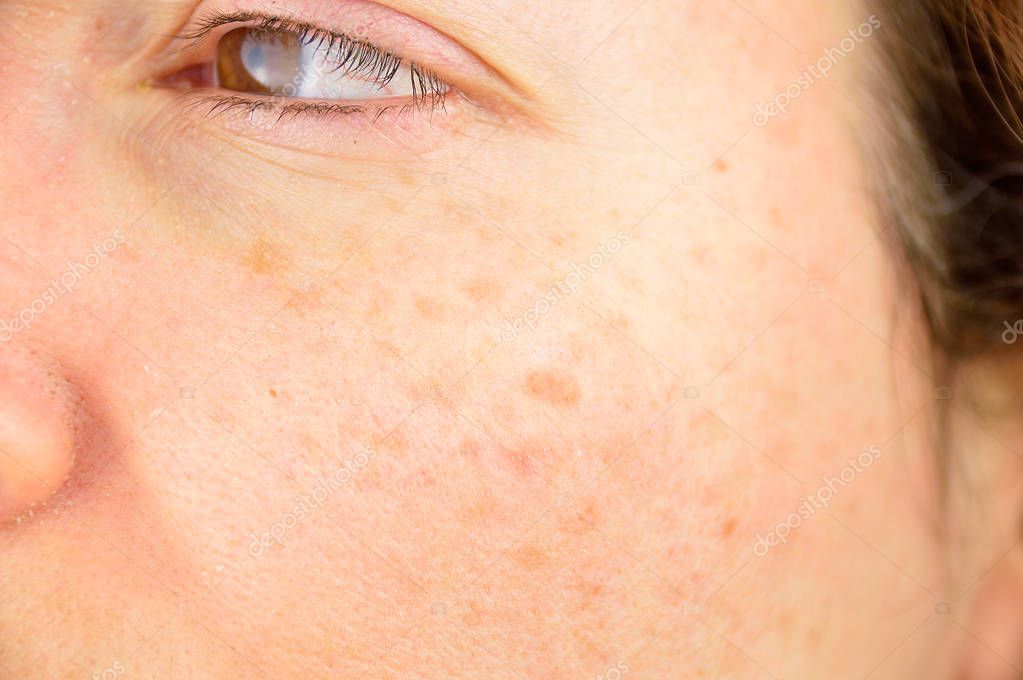
Among the various types of skin spots, I most commonly encounter three conditions, and the correct approach begins with distinguishing between them. The first is sun-induced age spots, the second is hormone-related melasma, and the third is scarring left behind after acne or irritation. Although they all appear to be brown marks on the surface, their characteristics differ significantly from one another.
A sunspot is typically a single, sharply defined mark that becomes more common with age; it appears on sun-exposed areas such as the back of the hands, cheeks, and forehead. The approach sunspot treatment I explained it step by step in my article. The broad and blurred boundaries driven by hormones melasma treatment It, on the other hand, is managed with a different approach—one that is much more considerate.
The third group consists of dark marks left behind after acne or irritation; in medicine, this is called post-inflammatory hyperpigmentation. The condition that occurs during pregnancy, on the other hand, pregnancy mark I also discussed this in my article. In short: the spots that go by the same name are actually different stories.
First, the Right Diagnosis: Which Spot Is Which?
An accurate diagnosis is the most overlooked yet most critical step in this process. Most clients who try a treatment they found online on their own spots fail to see results because they’re using the wrong method for the wrong type of spot. A strong treatment that doesn’t work for melasma might be beneficial for sunspots—and vice versa.
At the first visit, I assess the border, distribution, and history of the lesion. Is it unilateral and sharply defined, or is it a blurred mask-like lesion affecting both cheeks? Did it appear at the end of summer, or did it begin during pregnancy? These questions help us determine the course of action from the outset.
I should also add a word of caution. It is essential to show any spot that changes color, shape, or size over time, or that swells or bleeds, to a doctor before beginning treatment. Ruling out a serious skin condition before proceeding with aesthetic planning is always my top priority.
How Do You Get Rid of Skin Stains, and How Does the Process Work?
The honest answer to the question “How do you get rid of a skin spot?” is this: the spot won’t disappear overnight; it gradually lightens as the pigment inside breaks down and is shed by the skin. Clinical treatments target this pigment directly. At-home care, on the other hand, helps maintain the lighter skin tone by slowing down the production of new pigment.
The best results are achieved when these two work together. Skin that is not protected at home—even if you rely solely on the clinic—will quickly develop the dark spot we lightened. Similarly, a cream alone often cannot fully lighten deeply embedded pigmentation.
The speed of the process depends on the depth of the blemish. While superficial blemishes respond more quickly, those that have built up over the years or are hormone-related require a longer-term plan. Since skin renewal takes time, we assess the progress over the course of several weeks.
Skin Blemish Treatment Methods: What Happens at the Clinic?
I combine the five main methods I use at the clinic for treating skin discolorations, tailoring them to the specific type of discoloration and the patient’s skin type. None of them works for every discoloration on its own; the key is finding the right combination. Let me briefly introduce these five methods.
First, sun protection and proper skincare—which are actually the foundation of any plan. Second, the Thulium-based LaseMD, also known as the Baby Face laser; it targets pigment in the upper layer of the skin without peeling it and renews the skin’s tone. For detailed clinical application, baby face ultra You can check out my services page.
The third method is chemical peeling; the appropriate acid mixture accelerates the shedding of pigment-laden surface cells. The fourth method is mesotherapy, in which skin-toning mixtures are administered to the skin. The fifth is radiofrequency-assisted gold needle therapy; when both tissue and pigmentation are present, we can address both issues in a single treatment. A skin analysis determines which method is best suited for the patient.
Which Method Should You Choose Based on the Type of Stain?
The table below summarizes the types of blemishes I see most frequently, their triggers, and the recommended approach. The plan that’s right for you will always become clear after an in-person skin analysis; the table is intended only as a general guide.
| Stain Type | Primary Trigger | Featured Approach | Point to Note |
|---|---|---|---|
| Sunspots / Age Spots | Years of accumulated ultraviolet exposure | Baby Face laser, chemical peel, gold needle | Subsequently, the protection condition |
| Melasma (Hormonal) | Hormones and the Sun Together | Sun protection, gentle laser treatments, topical care | Harsh treatment can cause it to thicken |
| Post-Acne Dark Spots | Post-acne and post-irritation pigmentation | Peels, mesotherapy, at-home skincare | Patience and Barrier Care |
| Mixed Table | Multiple reasons at the same time | A tiered, personalized plan | First, an accurate diagnosis is needed |
How to Lighten Stains: The Role of Home Care
To those who ask how to lighten a dark spot, I first tell them to review their at-home skincare routine, because this step is what truly ensures lasting results. The right active ingredients not only gently lighten the existing dark spot but also help prevent new pigmentation from forming. Let’s take a look at a few effective ingredients.
Vitamin C serum brightens the complexion and, as an antioxidant, helps protect against daily damage. Niacinamide reduces the transport of pigment to the skin’s surface and strengthens the skin barrier. Retinoids, on the other hand, accelerate cell renewal and help dark cells shed more quickly.
We usually use these products in the evening and always apply sunscreen in the morning. Otherwise, the sun during the day will darken the marks that have faded overnight. Skincare is a matter of patience; you’ll often start to see a noticeable difference after a few months of regular use.
Contact us
Create Your Appointment
How Long Does It Take for a Facial Blemish to Clear Up?
There is no set timeline for the process of fading facial spots; the duration varies depending on the type of spot, its depth, and the skin’s response. A superficial sunspot can lighten noticeably in just a few sessions. Deep melasma or old acne scars, however, require a treatment plan spanning several months.
Keeping expectations realistic from the start minimizes disappointment. If you give up on a product because you don’t see results within a few days, you don’t give any method a chance to work. If a stain has set in over the years, resolving it requires a similar degree of patience.
Let me be clear: no method can guarantee that the dark spot won’t return. If you go out in the sun without protection or if your hormones fluctuate again, the pigmentation may reappear in the same area. That’s why consistency is more important than a one-time treatment.
Why Is Sun Protection the Foundation of Every Plan?
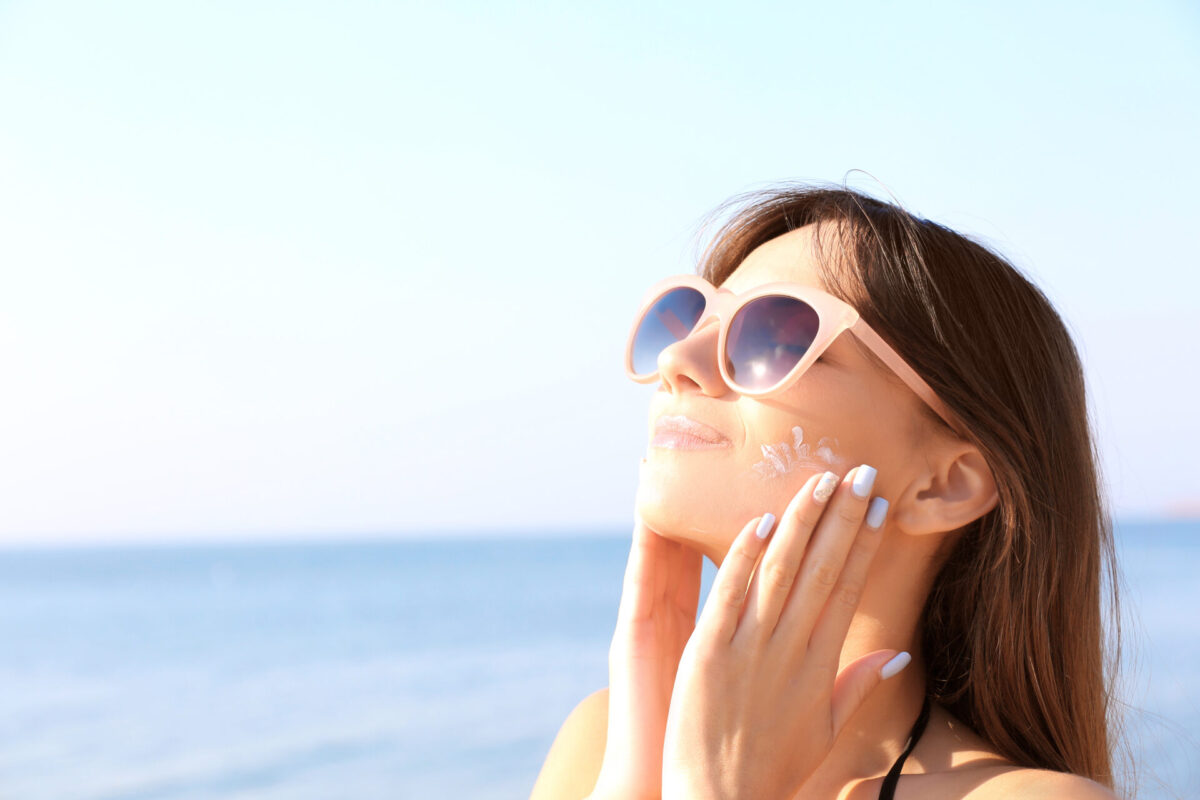
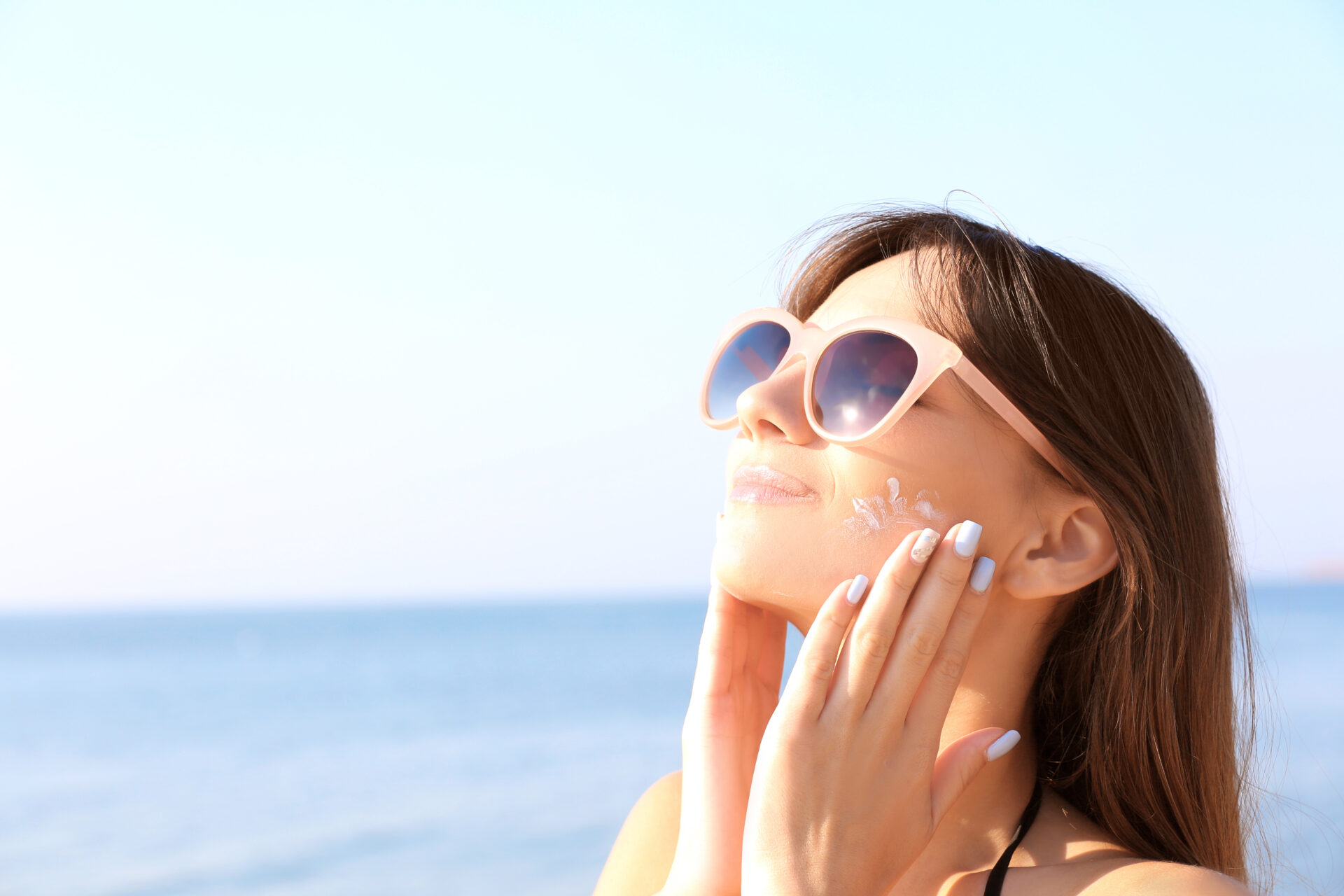
Sun protection is not an optional add-on to spot treatment; it is its indispensable foundation. No matter which method you choose, if you can’t protect the treated area from the sun, the pigmentation will return. That’s why I place sunscreen at the very beginning of the plan—not as an optional step, but as a mandatory one.
According to the American Academy of Dermatology (American Academy of Dermatology) göre SPF 30 bir güneş koruyucu, UVB ışınlarının yaklaşık %97’sini filtreler. Bulutlu günlerde ve cam arkasında bile ultraviyole cilde ulaştığı için koruma yıl boyu sürmelidir. Ürünü birkaç saatte bir yenilemek, en az yüksek faktör seçmek kadar belirleyicidir.
You should choose a broad-spectrum product—one that protects against both UVA and UVB rays. A hat, sunglasses, and shade complement this protection. A sun protection plan that skips these steps is like trying to fill a bucket with a hole in it.
The Most Common Mistakes Made When Treating Skin Discolorations
Most of my clients have tried a few methods before coming to the clinic; some are harmless, while others darken the scar without you even noticing. Let me summarize the most common mistakes I see, because avoiding them is half the battle.
First, applying mixtures of lemon and baking soda—which come from the kitchen—to the skin. These disrupt the skin’s acid balance, cause irritation, and the darkening that occurs after the irritation makes the spot even more noticeable. Second, trying strong products one after another without knowing the type of spot; with melasma in particular, this is a counterproductive move.
Third is impatience. Jumping from one method to another every few days doesn’t give any of them a chance to work. Sticking to a single plan chosen based on the correct diagnosis always yields faster results than scattered attempts.
Since every skin type and every case of hyperpigmentation is unique, Dr. Melis Ülger tailors a treatment plan based on an in-person evaluation; she does not simply follow off-the-shelf treatments found online. If you’d like to discuss what type of hyperpigmentation you have and what treatment would be right for you, Communication You can schedule an appointment on the website. Just make sure not to leave the sun behind when your treatment is over.
Last updated: August 27, 2026
This content has been reviewed by Dr. Melis Ülger, a medical aesthetics specialist. Dr. Melis Ülger is a medical aesthetics specialist who, at her practice in Caddebostan, identifies different types of skin discolorations individually and develops personalized treatment plans.
Frequently Asked Questions
Do skin spots go away on their own?
Some superficial marks may fade over time, but most spots do not completely clear up without treatment. In particular, sun- and hormone-related spots tend to become permanent as long as the underlying causes persist. The best approach is to identify the type of spot and follow an appropriate treatment plan.
Which type of skin blemish is the hardest to clear up?
Deep-seated melasma and old, well-established scars are generally the most resistant cases. In these cases, the process takes longer and requires a gentle, patient approach. Superficial sunspots, on the other hand, often respond more quickly.
Is using cream at home enough on its own?
The right active ingredients and sun protection can lighten superficial spots, but they are often insufficient on their own for deep pigmentation. The wrong or harsh products can cause some spots to darken. The safest approach is to combine at-home care with a clinical treatment plan under a doctor’s supervision.
Does skin spot treatment hurt?
Most procedures are well-tolerated; with the Baby Face laser, you’ll generally feel some warmth and a slight prickling sensation, but no unbearable pain is expected. If desired, a numbing cream can be applied to the area beforehand. Similar minor precautions are taken for your comfort during chemical peels and microneedling as well.
How can I tell what type of stain it is?
The border, distribution, and timing of the rash provide important clues, but a definitive diagnosis can only be made by a doctor’s examination. A blurred, mask-like rash with sharp, unilateral borders on both sides indicates different conditions. An accurate diagnosis is a prerequisite for the correct treatment.
Will the spots reappear after treatment?

Appointment & Contact
Contact our clinic for reliable and personalized planning in medical aesthetic applications.

 English