


Under-Eye Mesotherapy: The 2026 Guide to Dark Circles and Radiance
What Is Under-Eye Mesotherapy, and Does It Reduce Dark Circles?
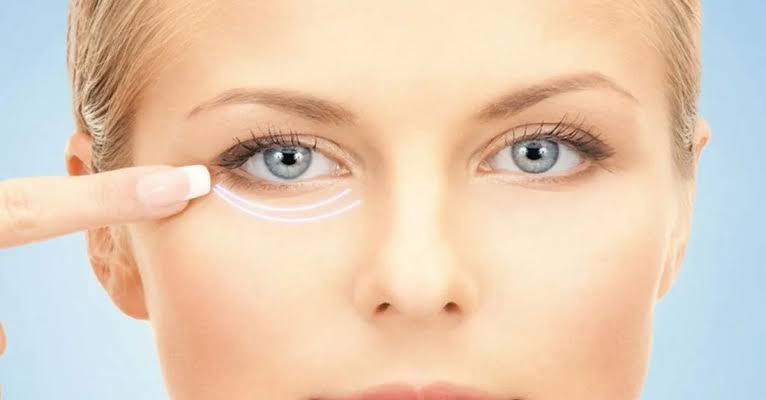
If that dark circle under your eyes in the mirror makes you look more tired than you actually are in the morning, you're not alone. Under-Eye Mesotherapy This treatment is specifically designed for this concern. Under-eye mesotherapy is a medical aesthetic procedure that improves skin quality and aims to reduce dark circles by administering a mixture of vitamins, amino acids, and hyaluronic acid to the delicate skin around the eyes via microinjections. It is performed in short sessions, and most patients return to their daily lives the same day.
In this article, we’ll discuss why bruises form, which type of mesotherapy is effective, and how many sessions are needed. We’ve previously covered the general principles of the method What is mesotherapy? As I explained in my article, my focus here will be entirely on the eye area. Let’s also clarify a commonly confused topic: mesotherapy and fillers are not the same thing.
Highlights
- Under-eye mesotherapy is a needle-based treatment that improves skin quality by administering a serum and vitamin cocktail to the area around the eyes.
- It produces the best results on purple discoloration caused by thin skin and vascular origins; its effectiveness is limited when the discoloration is primarily due to pigmentation.
- A course of 3–4 sessions, typically scheduled two or three weeks apart, is recommended.
- The difference from fillers is clear: mesotherapy improves skin quality, while fillers add volume to depressions.
- The session lasts about 15–20 minutes and, for most people, does not require a significant recovery period.
What Is Under-Eye Mesotherapy, and How Is It Performed?
Under-eye mesotherapy is a procedure that delivers a nourishing mixture directly to the skin around the eyes, which becomes paler as it thins. First, I assess the area, the type of dark circles, and your skin thickness. Then I apply a topical anesthetic cream; after a short waiting period, I deposit the mixture into the upper layers of the skin using very fine needles in small, targeted dots.
The mixture contains ingredients such as hyaluronic acid and vitamin C, which are also naturally present in the skin. The goal is not to plump up the area, but to nourish and rejuvenate the skin from within. If you’re wondering how the procedure works step by step, How Is Mesotherapy Performed? you can take a look at my article.
Types of Dark Circles Under the Eyes: Pigmentary, Vascular, and Shadow
Dark circles under the eyes are not caused by a single factor, and the appropriate treatment varies depending on the type. According to the American Academy of Dermatology, these dark circles stem primarily from three sources: excess pigment, visible blood vessels through thin skin, and shadows caused by hollows. Identifying which type you have is the first and most important step in treatment.
| Type of Bruise | Appearance | Mesotherapy Response |
|---|---|---|
| Pigment (brown) | A dark brown shade caused by excess melanin | Limited; requires informative content and maintenance |
| Vascular (purple-blue) | The reflection of blood vessels through thin skin | Okay; as the skin thickens, the shadow diminishes |
| Shadow (structural) | Shadows caused by hollows and tear troughs | Partial; filling is more appropriate in a distinct depression |
In most people, these types overlap. That’s why, during the examination, I assess which component is predominant by using a light and gently stretching the skin. Making the correct distinction also protects you from unnecessary procedures.
What Type of Dark Circles Under the Eyes Can Be Treated with Mesotherapy?
Mesotherapy for under-eye dark circles is most effective for darkening caused by blood vessels and thin skin. As the hyaluronic acid and vitamins in the mixture hydrate and slightly thicken the skin, the bluish tint reflected by the underlying blood vessels appears to lighten. However, it is insufficient on its own for brown, pigment-based dark circles.
For pigment-related darkening, brightening agents like vitamin C can be added to the mixture, but the real difference comes from sun protection and regular care. In other words, not every dark circle responds the same way. Setting expectations from the start based on the type of dark circle helps prevent disappointment later on.
What's in the Eye Area Mesotherapy Cocktail?
The mesotherapy mixture for the eye area is not a ready-made serum; it is a formula tailored to the skin’s specific needs on that particular day. The ingredients I use most frequently are hyaluronic acid, vitamin C, B vitamins, amino acids, and antioxidants. Each one serves a different purpose.
Hyaluronic acid promotes hydration and plumpness, vitamin C brightens the skin, and peptides and amino acids support cell renewal. The power of this blend comes not from a single ingredient, but from the right combination of ingredients in the right proportions. I dilute the formula according to the delicacy of the skin around the eyes and ensure the dosage is carefully measured.
Let's Create Your Appointment Now
Leave your name and phone number and we will call you to discuss the right treatment and an appointment time.
Reach us by phone+90 532 336 52 00How Many Sessions Are Needed for Under-Eye Radiance?
The radiance under the eyes doesn’t appear after just one session; it becomes more noticeable as the treatment course is completed. I generally recommend a plan of 3–4 sessions, spaced two or three weeks apart. A slight refreshment is noticeable after the first session; the real change becomes apparent after the third session.
The results aren’t permanent; since the skin continues to regenerate, I recommend one or two maintenance sessions per year. We’ll determine the interval between treatments together, based on your skin type and the type of discoloration. A plan that follows the skin’s natural rhythm yields better results than a rushed approach.
Under-Eye Mesotherapy or Fillers?
This is the most commonly confused topic. To put it simply: the two methods address different issues. Under-eye mesotherapy targets skin quality, hydration, and the color of dark circles; it nourishes the skin from within. Under-eye fillers, on the other hand, add volume to the hollow area with hyaluronic acid gel—in other words, they fill in the shadow.
If you have a pronounced tear trough, mesotherapy alone won’t fill that hollow; there under-eye filler It is the better choice. If your skin texture is poor but there are no indentations, mesotherapy is the preferred option. For some patients, however, we first restore volume with fillers and then use mesotherapy to improve skin texture.
| Comparison | Under Eye Mesotherapy | Under-Eye Filler |
|---|---|---|
| What does it do? | Improves skin quality and reduces bruising | Adds volume to the hollow |
| Contents | Vitamin and serum cocktail | Hyaluronic acid gel |
| Time to results | A gradual treatment over several months | On average, 9–12 months |
| Recovery | Almost none | There may be some swelling for a few days |
Benefits of Under-Eye Mesotherapy and Realistic Expectations
The benefits of the under-eye treatment aren’t limited to just one effect. The formula moisturizes the skin, softens fine lines, helps even out skin tone, and reduces the appearance of dark circles caused by blood vessels. It generally improves the overall quality of the skin in that area.
To be realistic, results don’t happen overnight; this is a treatment process that requires patience. On its own, it has limited effectiveness for dark spots caused by thick skin, pigmentation, or structural indentations. It delivers the best results when used with the right type of treatment and a consistent regimen.
Who Is It Suitable For, and When Should It Be Postponed?
Healthy adults who wish to improve skin quality around the eyes, soften fine lines, and reduce vascular discoloration are the most suitable candidates. Starting in the late twenties, it can also be considered as a preventive measure before lines become permanent. It also provides support for a sallow complexion caused by lack of sleep or screen fatigue.
In some cases, however, we postpone the procedure. If you are pregnant or breastfeeding, have an active infection in the area, a bleeding disorder, or a cold sore outbreak, the procedure will be postponed. For safety reasons, it is important that you discuss the medications you are taking and any chronic conditions you have during your first consultation.
Post-Session Care and Home Support
The results you get from the treatment depend not only on the clinic but also on your habits at home. Avoiding rubbing the area on the first day and staying away from hot showers and saunas will help the injection sites heal properly. Avoiding heavy makeup on the same day also reduces the risk of irritation.
Applying sunscreen regularly around the eyes in the days that follow will slow down the dark circles from becoming darker again. Drinking plenty of water and getting back on a regular sleep schedule supports the skin’s nighttime repair process. These small but consistent steps help maintain the results achieved between sessions.
If you spend long hours in front of a screen, it helps to give your eyes a break every now and then. A tired and dry eye area makes dark circles more noticeable. In other words, it’s not just the injections that determine the outcome—it’s these small daily choices combined.
As for the scientific framework of the method: According to Wikipedia, mesotherapy is a technique developed in the 1950s by French physician Michel Pistor, in which active ingredients are administered into the mesoderm layer of the skin via numerous small injections; for more details, Mesotherapy page. According to skin physiology sources, about 50% of the hyaluronic acid in the skin is found in the upper layers and declines with age; this is also why the area around the eyes needs this support early.
Every under-eye area is different; the thickness of the skin, the structure of the blood vessels, and the type of dark circles vary from person to person. That’s why I create a treatment plan tailored to your skin, rather than using a one-size-fits-all template. To schedule an appointment at my clinic in Caddebostan, Contact from the page or directly mesotherapy You can contact me through my services page.
Application
Mesotherapy Treatment
You can have this procedure done at Dr. Melis Ülger’s office in Kadıköy Caddebostan.
Sources
Frequently Asked Questions
Does under-eye mesotherapy hurt?
Since I apply a topical anesthetic cream to the area beforehand, pain during the procedure is minimal. Most clients describe only a slight prick or tingling sensation. The thinness of the needle and the brevity of the session help minimize discomfort.
Will there be bruising after the procedure?
Since the area around the eyes has many small blood vessels, minor bruising may occur, but it will fade within a few days. If you are taking blood-thinning medication, letting us know in advance will reduce the risk. Avoiding rubbing the area will also speed up recovery.
At what age can it be done?
It is generally recommended for preventive and supportive purposes starting in the late 20s. It can also be used at a younger age in cases of early dark spots or dullness. The decision is made jointly during the consultation, based on the condition of the skin.
Does mesotherapy get rid of under-eye bags?
No. Puffiness is usually caused by a lipoma or edema; mesotherapy does not reduce this swelling. If the puffiness is prominent, I will first assess the cause and, if necessary, refer you to the appropriate specialist.
How long do the results last?
The effects are not permanent; they fade over time as the skin renews itself. To maintain the freshness achieved after the treatment course, I recommend one or two maintenance sessions per year. Sun protection and regular moisturizing help prolong the results.
Can mesotherapy and dermal fillers be performed together?

You may also like
-
How to Choose a Mesotherapy Cocktail? Personalized Planning
What’s in a mesotherapy cocktail, and which mixture is chosen for which goal? Dr. Melis Ülger explains the difference between a ready-made cocktail and a personalized treatment plan. -

Mesotherapy Needles: Gauge, Depth, and Pain Sensation
How thin is a mesotherapy needle? Does it hurt? How many injection sites are there? Dr. Melis Ülger explains the 30G needle gauge and the sensation of pain—message us to schedule an appointment. -

What Is the Salmon DNA Vaccine? A Comprehensive Guide for 2026
What is the salmon DNA treatment, how is it performed, and who is it suitable for? Dr. Melis Ülger explains the effects, benefits, and treatment process of polynucleotide (PDRN). Schedule an appointment.
 Türkçe
 English