











HydraFacial Reviews: 2026 Real Experiences
09/09/2026Botox Brands: The Difference Between Botox, Dysport, and Xeomin
14/09/2026How Is the Salmon DNA Vaccine Made, and Who Is It Suitable For?
My patients often start their appointments with the same phrase: “Doctor, I’m curious about that fish-DNA injection.” What they’re referring to is the salmon DNA treatment—or, to use its medical term, a polynucleotide application. The word “vaccine” in the name is misleading; this is not an immunizing vaccine, but a microinjection method that sends repair signals to the skin. The salmon DNA treatment is a skin rejuvenation procedure in which polynucleotide molecules—purified from the reproductive cells of salmon—are delivered into the skin via fine needles to support tissue repair and maintain moisture balance.
In this article, I cover the topic from start to finish: what a molecule actually is, how it works on the skin, which skin concerns it addresses, how it differs from traditional mesotherapy, and who it’s suitable for. If you’re curious about the general framework of the method, What is mesotherapy? I recommend that you read my article as well. Here, our focus will be entirely on salmon-derived polynucleotides.
Highlights
- The salmon DNA treatment is a rejuvenation procedure in which polynucleotide molecules derived from salmon reproductive cells are administered to the skin via microinjection; the term “treatment” in its name is misleading—it has no connection to an immunological vaccine.
- The active ingredients are PDRN and polynucleotides; these stimulate fibroblasts to support collagen production and tissue repair.
- According to the dermatology literature, collagen production in the skin declines by an average of %1 each year after the age of 25; polynucleotide treatments aim to slow this loss.
- The results are not achieved in a single session, but typically emerge after a course of 3–4 sessions repeated every 2–4 weeks.
- The under-eye area, fine lines, dull and tired skin, and the scalp are the most common treatment areas.
What Is the Salmon DNA Vaccine, and How Does It Work?
The salmon DNA treatment is, in short, a series of injections that sends a “heal yourself” message to your skin. The polynucleotides it contains do not add collagen or fillers from outside; instead, they activate the skin’s own repair cells. In other words, we’re not providing ready-made material—we’re giving the body instructions to produce it.
It’s not like a filler that shows results immediately. Once the molecule enters the skin, it stimulates the fibroblasts, and these cells begin to produce new collagen, elastin, and hyaluronic acid over the course of several weeks. That’s why we don’t evaluate the results at first glance, but rather with patience and over the course of several sessions.
What Is Salmon DNA? The Relationship Between Polynucleotides and PDRN
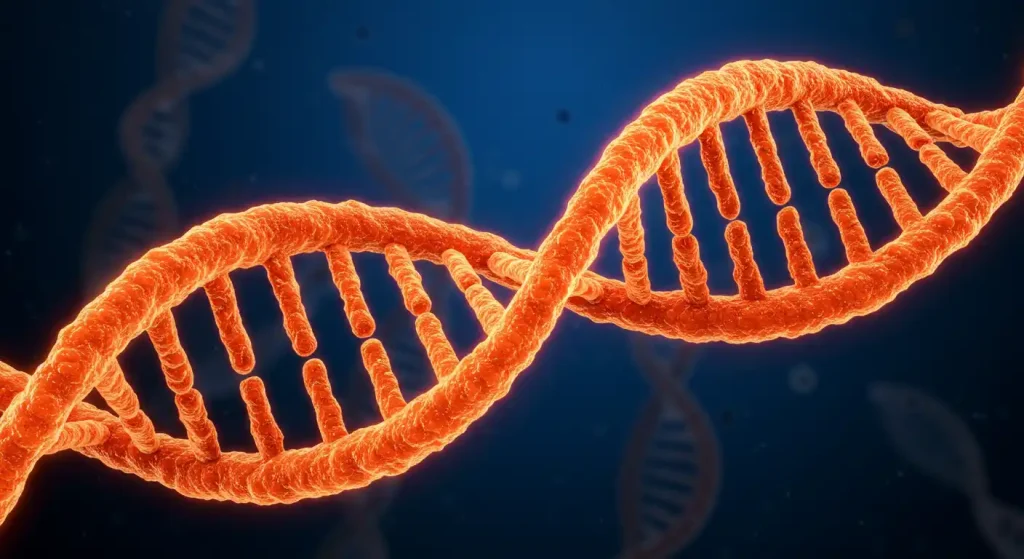
The answer to the question “What is salmon DNA?” actually lies in biochemistry. The reproductive cells (sperm and eggs) of fish such as salmon and trout contain dense polynucleotide chains that show a high degree of similarity to human DNA. When these chains are purified and refined in the laboratory, what remains is a mixture of molecules that contains no protein and poses a low risk of allergic reactions.
This mixture has two main names: polynucleotide and PDRN. PDRN (polydeoxyribonucleotide) is a subgroup known for its regulatory effects, consisting of small DNA fragments ranging in length from 50 to 1,500 base pairs. Polynucleotides, on the other hand, are longer chains and primarily function in tissues by providing physical support, moisture retention, and structural repair.
How Do PDRN and Polynucleotides Work?
The most extensively studied aspect of PDRN is its stimulation of the adenosine A2A receptor on the cell surface. This stimulation triggers a cascade of events that reduces inflammation and promotes new blood vessel formation (angiogenesis). As a result, the cell receives signals for both repair and nutrition.
The second mechanism is a process known as the “rescue pathway.” The fragmented DNA fragments are used by the cell as building blocks for the synthesis of new DNA, which helps the damaged tissue recover more quickly. In other words, the molecule serves as both a trigger and a raw material.
Mechanism of Action of the Salmon DNA Vaccine: Tissue Repair, Collagen, and Hydration
I summarize the mechanism of action of the salmon DNA treatment under three headings: repair, collagen, and hydration. On the repair front, the stimulated fibroblasts rebuild the skin’s supportive tissue and repair micro-damage. This makes a noticeable difference, especially in sun-damaged or thinned skin.
Collagen is a matter of time. According to dermatological literature, collagen production decreases by approximately %1 each year after the age of 25; as the skin thins, lines become more pronounced and elasticity decreases. Polynucleotides do not promise to reverse this decline, but they aim to slow down the process by reactivating collagen production.
Hydration is my favorite property of polynucleotides. These molecules form a network with high water-retention capacity, helping to maintain skin hydration for a longer period of time. The dull appearance caused by dryness improves in most of my clients, even during the first few sessions.
Contact us
Create Your Appointment
Benefits of Salmon DNA: What Changes in the Skin?
The list of benefits of salmon DNA is long, but I want to describe them without exaggerating. This treatment isn’t a miracle; it’s a skincare routine that gradually improves skin quality when done regularly. The table below summarizes the changes I’ve observed most frequently.
| Target Problem | Expected Effect | When It Is Usually Seen |
|---|---|---|
| Dull, tired skin | Increased moisture, slight sheen | 1–2 sessions |
| Fine lines | Smoothing of superficial lines | 2–4 sessions |
| Dark circles under the eyes | Thickening of the skin, less shading | 3–4 sessions |
| Overall skin quality | A feeling of firmness, smooth texture | End of the course |
None of these effects are permanent. Since the skin continues to age, you’ll need a few maintenance sessions each year to maintain the results. I generally recommend completing the full course of treatment and then having a single session during seasonal transitions.
How Is Salmon DNA Applied to the Face?
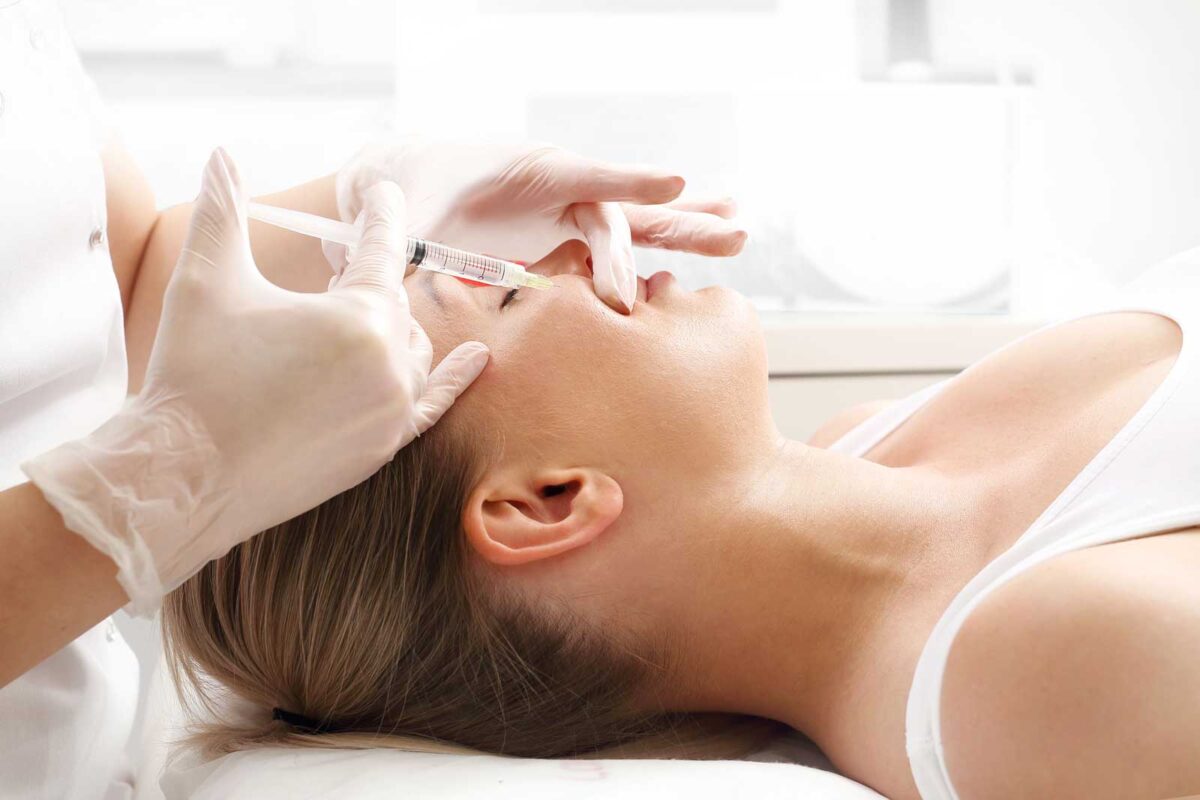
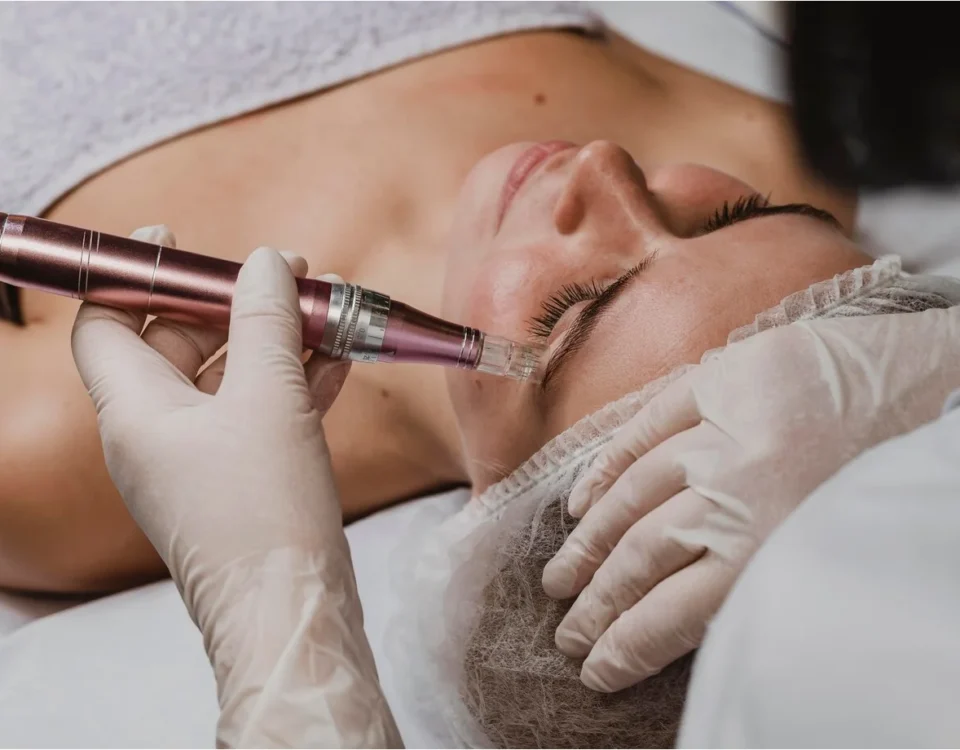
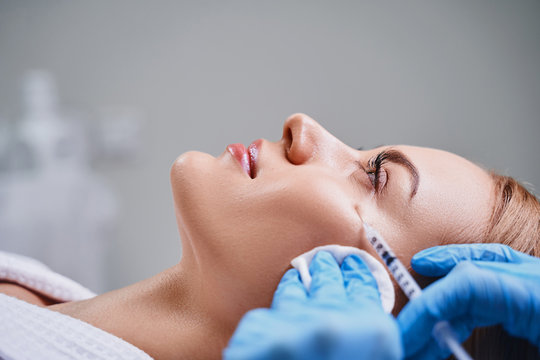
The most common areas for the salmon DNA facial treatment are those where the skin is thin and delicate. The cheeks, forehead, jawline, and especially the eye area are the primary focus. Using a fine needle, the molecule is applied in small, targeted doses just beneath the skin’s top layer.
Before the session, I clean the area and, if necessary, apply a topical anesthetic cream. The injection portion for the face usually takes 15–20 minutes; mild redness and small blisters that last a few hours after the procedure are normal. The general procedure for facial mesotherapy Facial Mesotherapy I explained this in detail in my post; the salmon app works on the same principle.
For Which Skin Conditions Is It Most Effective?
I don’t use polynucleotide treatments for every issue; instead, I tailor them to specific goals. They are most effective for improving skin quality and hydration; however, they alone are not sufficient for someone with deep wrinkles or significant volume loss. In such cases, we develop a treatment plan that combines them with fillers or other methods.
Under-Eye Area and Fine Lines
The under-eye area is my favorite area to treat with polynucleotides. Because the skin there is very thin, fillers aren’t always ideal; this molecule, however, thickens the skin and reduces dark circles. It also doesn’t just fill in fine lines on the surface—it firms the tissue from within.
Hair and Scalp
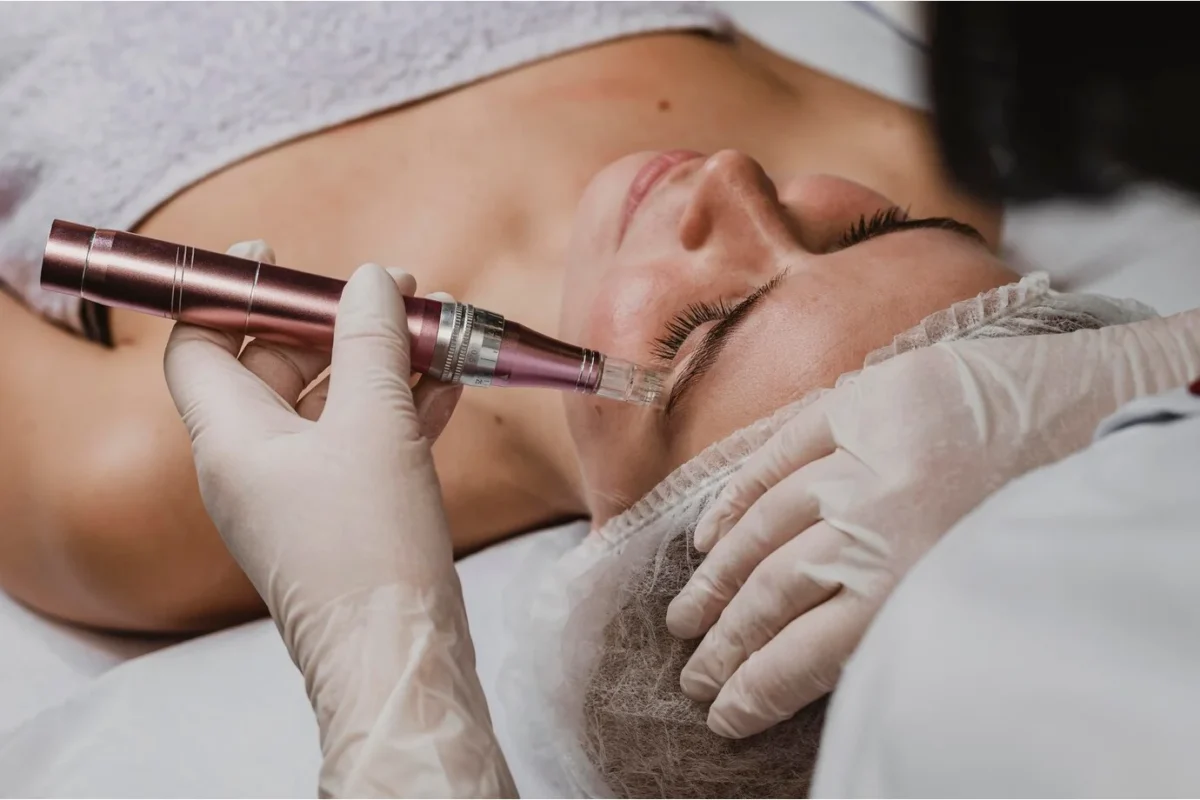
Polynucleotides aren’t limited to the face. When applied to the scalp, they support capillary circulation and the tissue surrounding the hair follicles. They are not the sole solution for hair loss, but they serve as a good complement to other hair care treatments; I discuss their specific application to hair separately under the heading of mesotherapy.
The Difference Between Salmon DNA Vaccine and Mesotherapy
Salmon DNA injections are often confused with traditional mesotherapy because both are administered via microinjection. The difference lies in what is at the tip of the needle. In classic mesotherapy, a cocktail containing vitamins, minerals, amino acids, and hyaluronic acid is administered; in the salmon treatment, the star ingredient is polynucleotides.
Another difference lies in the mechanism of action. The mesotherapy cocktail primarily provides immediate nourishment and hydration; polynucleotides, on the other hand, target repair and collagen production, aiming for a slower but structural change. The two are not competing; they are often different steps in the same treatment plan. The table below compares the two side by side.
| Comparison | Classical Mesotherapy | Salmon DNA (Polynucleotide) |
|---|---|---|
| Contents | A blend of vitamins, minerals, and hyaluronic acid | Purified polynucleotide and PDRN |
| Main effect | Nutrition and Hydration | Tissue repair and collagen stimulation |
| Speed of the result | Relatively fast, superficial | Gradual, structural |
| Featured region | Entire face, scalp | Under-eye area, delicate skin, repair |
Treatment Process: Session, Course, and Frequency
One session isn’t enough; polynucleotides work best as part of a treatment course. For most of my clients, I create a plan consisting of 3–4 sessions repeated every 2–4 weeks. The skin improves a little more with each session, and the real difference becomes apparent at the end of the course.
After the treatment course is complete, I recommend a maintenance session every 4 to 6 months to maintain the results. The frequency varies depending on age, skin condition, and treatment goals. We’ll work together to finalize a personalized plan during the first consultation.
The overall benefit of the process Benefits of Mesotherapy I covered this in detail in my article; the salmon treatment is another member of this family that focuses on repair. Since the cost and number of sessions vary from person to person, I prefer to discuss these details during the consultation.
Safety, Side Effects, and Recovery
Salmon-derived polynucleotides are molecules with a low risk of allergic reaction because the protein has been removed. However, individuals with known severe allergies to seafood should disclose this information in advance. When administered under sterile conditions and at the correct dose, the method is considered safe.
Common side effects are temporary: redness at the injection sites, mild swelling, and occasional minor bruising. These usually subside within a few hours or, at the latest, a few days. Avoiding hot environments, strenuous exercise, and makeup during the first 24 hours will help the healing process.
As for the technical basis of the method: According to Wikipedia, mesotherapy is a technique in which active ingredients are delivered to the mesoderm layer of the skin through numerous small injections; it was first described in the 1950s in the work of French physician Michel Pistor; details Mesotherapy You can read about it on that page. The salmon DNA vaccine is also a polynucleotide-based application within this family.
Who Is the Salmon DNA Vaccine Suitable For, and Who Is It Not Suitable For?
The salmon DNA treatment is a suitable option for healthy adults who want to improve skin quality, soften fine lines, and restore moisture balance. Skin showing signs of premature aging, sun-damaged skin, and under-eye concerns respond well to this treatment. Because it focuses on repair, it is also a suitable choice for sensitive skin.
In some cases, however, we postpone the treatment or recommend an alternative method. The treatment is not performed during pregnancy or while breastfeeding, in the presence of an active skin infection, in cases of uncontrolled chronic disease, or in cases of seafood allergies. The decision is always based on a personal assessment—not on general information found online, but on the condition of your skin.
A Few Notes Before and After the Session
Taking a break from products containing strong acids and retinol a few days before your session helps your skin respond to the treatment in a balanced way. It’s safer to come in with your natural skin tone rather than with a deeply tanned complexion. If you’re taking blood thinners, letting us know in advance reduces the risk of bruising.
For a few days after the session, gently cleanse your skin, use plenty of moisturizer, and protect your skin from the sun. Don’t rush to see results; polynucleotides take time to work. Patience is truly your best ally with this treatment.
How Do I Plan Based on Age?
Age is a factor that fundamentally changes the goal of the treatment from the start. In your late twenties and early thirties, the goal is generally prevention; we want to keep collagen production going while the skin is still in good condition. For this age group, one treatment course per year is usually sufficient.
In one’s 40s and beyond, the focus shifts to restoration. Since collagen loss becomes more pronounced, I often incorporate polynucleotides into treatment plans alongside methods such as fillers, gold needle therapy, or laser treatments. Here, the salmon treatment is not a standalone solution; rather, it serves as a solid foundation that prepares the skin for other procedures.
Use with Other Applications
My favorite thing about polynucleotides is that they’re great team players. First improving skin quality with polynucleotides and then applying a filler or gold needle treatment makes the results look more natural and last longer. Other treatments work better on a restored foundation.
I don’t do everything at once during the same session; I space out the procedures to avoid overtaxing the skin. For example, under the eyes, I first use polynucleotides to thicken the tissue, and if necessary, I consider light filler in the next step. This sequence varies depending on the area and the individual. My goal is to achieve the most balanced result with the fewest procedures possible and to avoid putting unnecessary strain on the skin.
Common Misconceptions About the Salmon DNA Vaccine
The most common misconception I encounter is the expectation of noticeable rejuvenation after a single session. Polynucleotides do not provide immediate volume like fillers do; their effects build up over weeks through collagen production. That’s why I urge you to be skeptical of promises like “look ten years younger with a single injection.”.
The second misconception is the belief that the treatment will completely erase wrinkles. The salmon DNA treatment does not provide a standalone solution for deep wrinkles and severe sagging; where it excels is in improving skin quality, hydration, and superficial lines. Clients who come in with realistic expectations leave much more satisfied with the results.
When Should You Start the Cleanse?
The best time for the treatment is during the fall and winter months, when the sun’s rays are weakest. Since the skin is exposed to less sunlight during this time, the risk of post-treatment discoloration is reduced and the healing process proceeds more smoothly. It can also be done during the summer months, but you must be much more diligent about using sun protection.
If you’re planning a pre-event regimen for a special occasion, start early. Since the effects of polynucleotides build up over time, I recommend starting at least one month in advance to allow the results to take hold. Expecting a noticeable change from a single, last-minute session often leads to disappointment. We’ll count down the days together and schedule your first session for the right day.
Frequently Asked Questions
Is the salmon DNA vaccine a real vaccine?
No. The word “vaccine” in its name is a term that has become widely used among the general public; it has no connection to traditional vaccines that stimulate the immune system. It is a microinjection procedure that delivers a polynucleotide molecule into the skin.
How long does it take to see results?
The initial effects of hydration and radiance can be felt within a few days. The real difference brought about by collagen, however, becomes noticeable starting in the middle of the treatment course, usually around the third session. Follow-up sessions are recommended to maintain the results.
How many sessions are needed?
For most clients, a course of 3–4 sessions is planned, with sessions held every 2–4 weeks. The number of sessions varies depending on age, skin condition, and treatment goals. The exact plan is determined during the consultation.
Does the procedure hurt?
Because the needle is very fine, the sensation is usually limited to a slight prick. I minimize discomfort by applying a topical anesthetic cream to sensitive areas. Most people complete the session comfortably.
Can this treatment be used if I have a seafood allergy?
Even if the dish is prepared using protein-free ingredients, a known allergy to fish or seafood is a red flag. You must be sure to disclose such a condition in advance. If, following an assessment, it is deemed unsuitable, we will make alternative arrangements.
Which is better: salmon DNA or filler?

Appointment & Contact
Contact our clinic for reliable and personalized planning in medical aesthetic applications.
Write to Us
Let's Create Your Appointment Now
Application
Mesotherapy Treatment
You can have this procedure done at Dr. Melis Ülger’s office in Kadıköy Caddebostan.
Related Articles
 English