


Will there be swelling and bruising on the face after Botox? Guide to Managing Side Effects
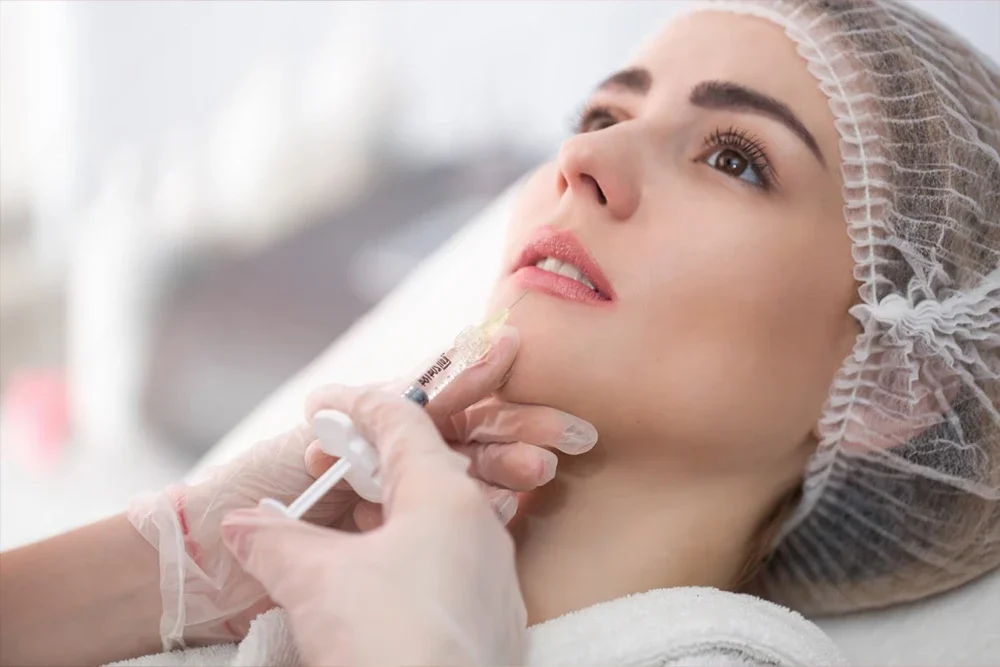
Short answer: General facial swelling is not expected after Botox; the small bumps at the injection points usually disappear within the first hour. If the needle hits a capillary, a small bruise can form; it fades within a few days and can be covered with make-up. Swelling that grows, is painful or feels warm should be seen by a doctor.
Highlights
- Swelling and bruising are normal and temporary reactions to an injection.
- The duration of the swelling and the cause of the bruise are explained separately.
- Certain medications and habits increase the risk of bruising; pre-procedure precautions are listed below.
- The discussion focuses on how to distinguish between normal and abnormal courses.
Will there be swelling and bruising on the face after Botox?
Guide to Managing Side Effects
Botox, is the most popular, fastest and most effective "lunch break" procedure in the aesthetic world today. However, no matter how simple and fast it is, any medical intervention with a needle under the skin may cause some temporary reactions in the body.
Botox is a "lunch break" procedure but it is a biological intervention
First of all, a distinction should be made: Since dermal filler applications are volumizing procedures, they may cause significant edema (swelling) that lasts for a few days after the procedure. However, Botox is not a filler; it is a drug that relaxes the muscles. Therefore, a general facial swelling is not expected after Botox. Nevertheless, local (regional) reactions may occur due to needle insertion. These reactions are part of the body's self-protection mechanism.
Will there be swelling and bruising on the face after Botox?
Most of our patients come to the clinic with concerns such as “Will my face swell after the procedure?”, “Will I get a black eye?”, “Can I return to work immediately or will I have to hide?”. These questions are quite natural, especially for people who will have botox for the first time. As Dr. Melis Ülger, Istanbul, Kadikoy‘In my clinic in Istanbul, I always tell my patients the following as a principle of transparency: “Botox is a minimally invasive procedure, but there can be little surprises where the needle enters.” In this article, I will explain the causes of swelling and bruising after Botox, how long it lasts and how you can minimize these risks with scientific facts.Why Does Facial Swelling Happen After Botox, and How Long Does It Last?
Immediately after Botox application, when you look in the mirror, you may see small bubbles on the injection points (forehead, between the eyebrows, around the eyes). Our patients often compare this to “mosquito bites” or “small pimples”.
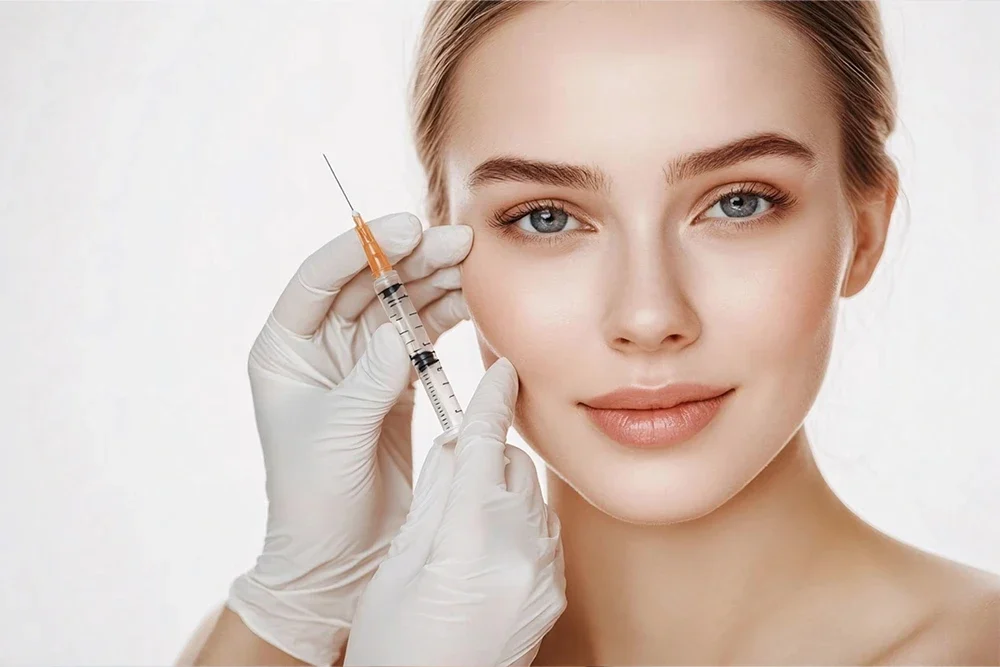
Injection Trauma The Micro-Reaction Created by the Needle
Even though the needles we use are as thin as a hair, they disrupt the integrity of the skin and enter the tissue. The skin reacts to this entry by releasing histamine and increasing blood flow to the area. This causes a very slight pink swelling around the needle entry point.
Product Volume: "Mosquito Bite" Appearance Under the Skin
Botox liquid (toxin diluted with saline) is injected in very small amounts into the muscle or under the skin. This fluid may form a small bump under the skin until it is completely absorbed by the tissue. This is physical evidence that the medicine has been deposited there.
When does the swelling go down? Normalization in Minutes
The good news is this: These “bubble” shaped swellings caused by Botox are extremely temporary. Usually after the procedure 15-20 minutes later, disappears on its own within 1 hour at the latest. The liquid is absorbed, the skin calms down and returns to its smooth state. So those small bumps that were there when you left the clinic will probably be gone when you get home.
What Causes a Bruise (Ecchymosis)? Luck or Technical Error?
A bruise is when the needle hits a thin capillary under the skin and the vessel is damaged, leaking a small amount of blood under the skin. This can happen even to the most experienced physicians, because everyone has a different vascular map and some vessels are not visible from the outside.
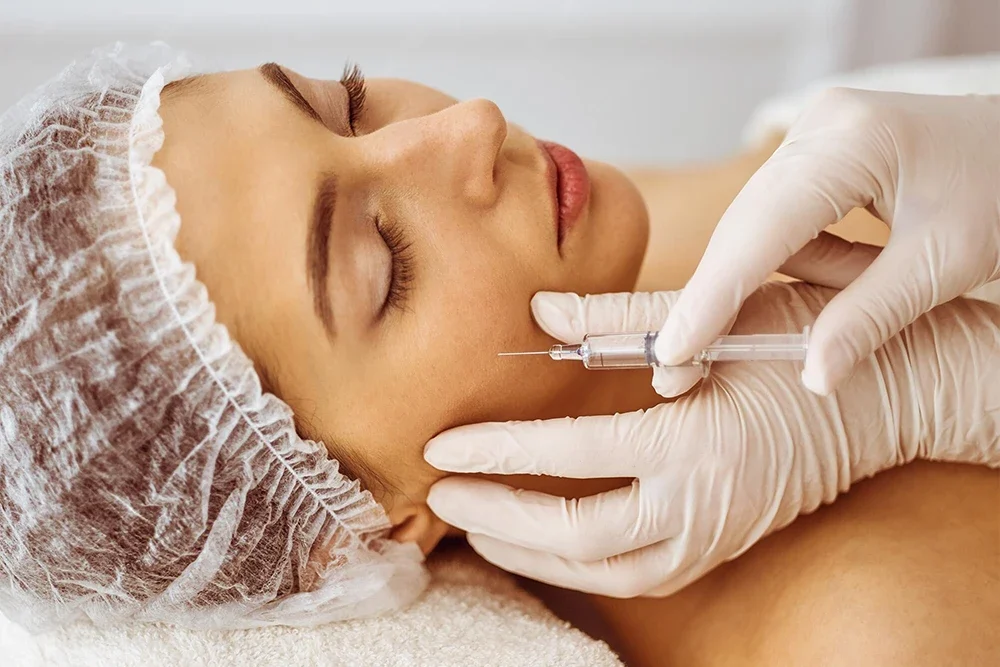
Capillary Cracks: Superficial Anatomical Surprises
Our face is covered with thousands of microscopic vessels. When a needle tip touches one of these vessels, there is a small bleeding under the skin, which is reflected on the surface as a bruise. These bruises are usually the size of a pinhead or a lentil.
Why is the Eye Contour (Crow's Feet) More Prone to Bruising?
The skin around the eyes (crow's feet area) is the thinnest skin on the face and is very rich in vascularization. In addition, the vessels in this area are very close to the surface. Therefore, the risk of bruising around the eyes is statistically higher than in the forehead or between the eyebrows. However, these bruises are usually small enough to be easily covered with makeup.
Let's Create Your Appointment Now
Leave your name and phone number and we will call you to discuss the right treatment and an appointment time.
Reach us by phone+90 532 336 52 00Personal Factors Increasing Risks: Pay Attention to These Before the Procedure!
The biggest factor that increases the risk of bruising is the rate of blood clotting. You can reduce this risk by taking some precautions before the procedure:
Blood Thinners and Supplements (Omega-3, Vitamin E)
Painkillers such as Aspirin, Ibuprofen and blood thinners delay blood clotting. Likewise, herbal supplements such as Omega-3 (fish oil), Vitamin E, Ginkgo Biloba, Ginseng and Green Tea also thin the blood. If you do not have a medical necessity, stopping these supplements 3-5 days before the procedure significantly reduces the risk of bruising.
Alcohol Consumption and Vasodilation
Alcohol has a vasodilating effect (vasodilation). Dilated blood vessels are more likely to be damaged by the needle and the bleeding takes longer to stop. It is therefore recommended to stop drinking alcohol 24 hours before the procedure.
Tips to Accelerate Recovery After Treatment
If you have a small bruise or swelling after the procedure, it is up to you to speed up the process:
Arnica and Vitamin K: Bruise Fighters
Gels containing the herb “Arnica Montana” or vitamin K creams available in pharmacies help bruises (ecchymosis) to heal faster. These products accelerate the absorption of blood accumulated under the skin by the body.
Cold Compress (Ice) Application: When and How?
If you notice bruising or a bump, in the first hours after the procedure you can hold ice wrapped in a clean cloth on the area for 5-10 minutes at a time, without pressing. Cold constricts the blood vessels and reduces the spread of bruising and edema. Do not put ice directly on the skin and do not massage the area; massage can cause the drug to spread to neighbouring muscles.
Gravity Effect: Why Head Position Matters
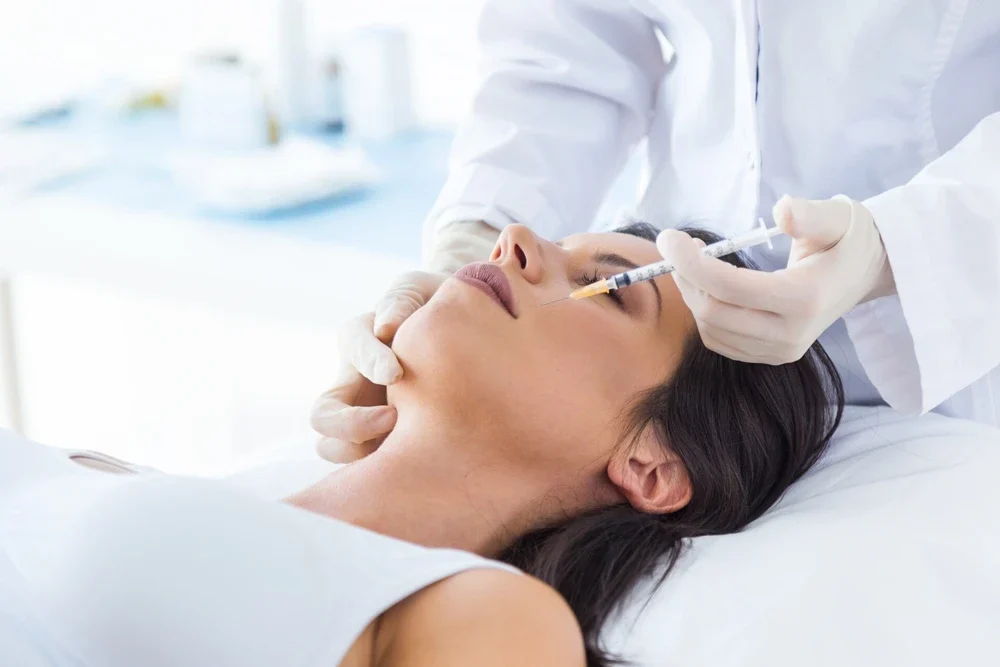
Keeping the head upright and not leaning forward for the first 4 hours after Botox is important not only for the placement of the drug but also for the reduction of edema. Gravity prevents the fluid from accumulating in the face area.
When Should You Worry? Distinguishing Normal and Abnormal
Small, pinpoint bruises and temporary swelling are normal. However, you should consult your doctor in the following cases:
- Growing, painful and hot swellings (risk of infection).
- Low eyelid (ptosis).
- Double vision or severe headache.
Botox safety and side effects American Society of Plastic Surgeons (ASPS) also states that temporary bruising is common but permanent side effects are rare.
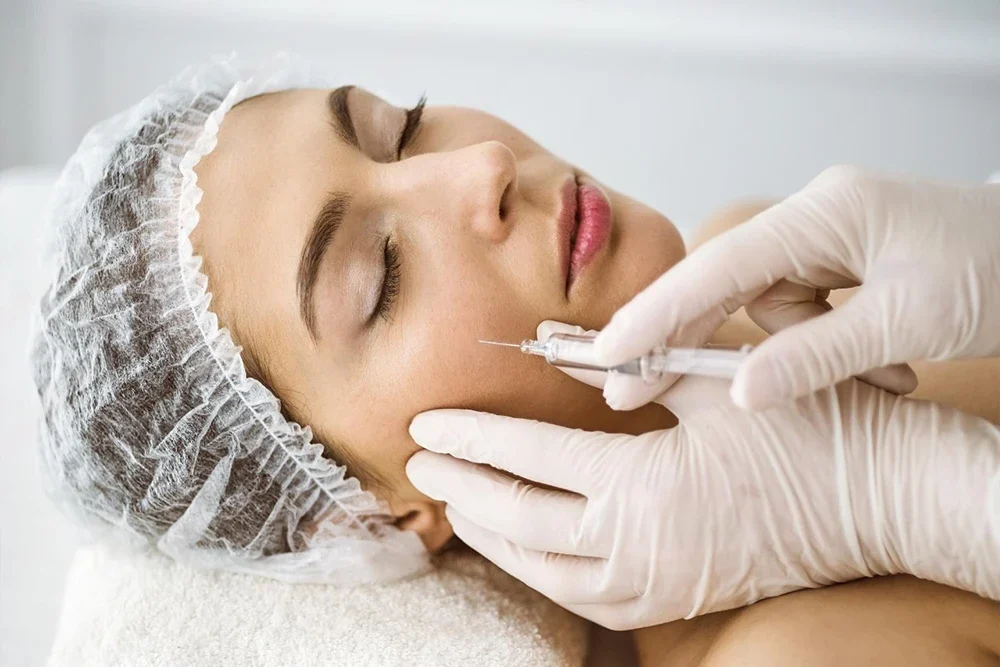
"Minimum Trauma" Approach at our Clinic in Kadikoy
Kadikoy‘At our clinic in Istanbul, we use special techniques to maximize the comfort of our patients in Botox applications. We prefer the world's thinnest needle tips (nano-needle), shrink the vessels by cooling the skin during injection and perform detailed vessel control before the procedure. Our aim is to send you out of the clinic with a natural and clean face that “does not look like it has been treated”. Although swelling and bruising are a possibility, in the right hands, this possibility is always minimal.
Application
Botox Treatment
You can have this procedure done at Dr. Melis Ülger’s office in Kadıköy Caddebostan.
Frequently Asked Questions
Does your face swell after Botox?
Botox is not a filler; it is a medication that relaxes muscles. Therefore, general facial swelling is not expected. However, local reactions at the injection site may occur.
Are the bumps at the injection sites normal?
Yes. Patients often compare this to a mosquito bite. There are two reasons for this: the skin’s micro-reaction, in which it releases histamine at the site of the needle entry, and the fact that the injected fluid forms a small bump until it is absorbed by the tissue.
How long will this swelling last?
These bubble-like swellings are temporary and usually subside on their own shortly after the procedure.
What causes bruising?
The face is covered with very fine capillaries. If the tip of the needle hits one of these invisible capillaries, a small bruise may form. It is not dangerous and will go away within a few days.

You may also like
-
What to Do If Swelling After Botox Doesn’t Go Away
How long does swelling after Botox last, and which signs call for a doctor? Learn the difference between normal edema and persistent swelling, and book from Caddebostan. -

Botox Reviews: Real Patient Experiences
How do Botox patients describe the process? First-session expectations, concerns about looking natural and frequently asked questions from Dr. Melis Ülger’s clinic. -

Botox Brands: The Difference Between Botox, Dysport, and Xeomin
Botox Brands: What’s the difference between Botox, Dysport, and Xeomin? Dr. Melis Ülger explains the active ingredient, unit dosage, and onset of action.
 Türkçe
 English