





What Is a Collagen Injection? The 2026 Guide to Skin Rejuvenation
10/08/2026
Can You Get a Hydrafacial During Pregnancy? The 2026 Guide
11/08/2026What Should You Keep in Mind Before Lip Fillers?
The few days leading up to your appointment play just as big a role in how natural the results will look as the procedure itself. Following the pre-treatment guidelines correctly reduces bruising and speeds up healing. In this article, I’ll walk you through every step—from one week before the procedure all the way up to the morning of your appointment—in order.
Preparation for lip fillers is a simple planning process that begins about a week before the procedure and aims to minimize the risk of bleeding, bruising, and infection. If you’re curious about the procedure itself and how it generally works, Lip Filler Guide You can read my post; here, I’m focusing entirely on what came before.
Highlights
- Most of the preparation for lip fillers consists of minor adjustments made 5–7 days before the procedure.
- Bruising decreases significantly when blood-thinning medications and supplements such as fish oil and vitamin E are tapered off in advance with a doctor’s approval.
- For clients with a history of cold sores, starting antiviral treatment before the procedure prevents herpes from flaring up again.
- Treatment is postponed during active infection, pregnancy, and breastfeeding; this is not a delay but a safety precaution.
1 Week Before Lip Filler: Timeline
Spreading the preparation over the course of a week, rather than cramming it into a single day, is both more comfortable and more effective. A week before, I review my supplements and any unnecessary medications. Three days before, I stop drinking alcohol, and we start drinking plenty of water.
I’d like you to avoid intense exercise and salty foods the day before the procedure, as both can increase fluid retention in the tissues. On the morning of your appointment, just make sure to come without makeup, well-rested, and without having fasted. Once you get into this routine, the stress of preparing for the procedure will fade away.
In the sections below, I’ll go over each of these points one by one. That way, you can see for yourself why each step is important.
When Should You Stop Taking Blood-Thinning Medications and Supplements?
This is the most frequently asked question, because the main cause of bruising is blood-thinning medications. Pain relievers such as aspirin and ibuprofen, as well as regularly used anticoagulants, slow down platelet clotting. The decision on whether to stop taking these medications should always be made in consultation with your doctor; it is not advisable to stop a prescribed treatment on your own.
In addition, there are some supplements that often go unnoticed. Fish oil, high-dose vitamin E, ginkgo biloba, and green tea extract also have mild blood-thinning effects. Reducing your intake of these supplements about a week before the procedure—after consulting your doctor—can lower the risk of bruising.
| Substance / Habit | When Should You Quit? | Why It Matters |
|---|---|---|
| Aspirin / pain relievers | With a doctor's approval, 5–7 days before the procedure | It slows down blood clotting and increases bruising |
| Fish oil / omega-3 | About a week ago | It increases the risk of intravascular bleeding |
| High-dose vitamin E | About a week ago | It thins the blood and prolongs the healing of bruises |
| Alcohol | The past 48–72 hours | It dilates blood vessels and increases edema |
| Intense exercise / cardio | One day before the procedure | It increases blood flow and causes swelling |
Pre-Filler Checklist: Alcohol, Sun Exposure, and Diet
In addition to blood-thinning medications, lifestyle habits also affect the outcome. If alcohol is avoided for the two days prior to the procedure, the lips swell less, because alcohol both dilates blood vessels and disrupts fluid balance. Reducing salt intake and increasing water intake also helps soothe the tissue based on the same principle.
It’s also important to be clear about sun exposure and tanning beds. Skin that has been sunburned or tanned immediately before the procedure is more sensitive and takes longer to heal. For this reason, I recommend avoiding intense sun exposure and tanning sessions in the days leading up to your appointment.
You can think of your diet as a little ally. There’s a common belief that pineapple and the bromelain enzyme it contains reduce bruising; without expecting a miracle, simply eating a balanced diet and drinking plenty of water will already help.
What Should You Avoid Doing Before Getting Fillers?
Not doing certain things is just as important as doing them. At the top of the list of things to avoid before a lip filler procedure are aggressive skincare treatments on the lip area. Applying laser treatments, chemical peels, or harsh lip scrubs to the area around the lips a few days before the procedure can irritate the skin.
Next on the list is taking unnecessary risks. Trying a new skincare product right before your appointment, undergoing a major dental procedure, or returning from a long flight feeling exhausted are not ideal. It’s best to arrive at your appointment well-rested.
Finally, do not follow general online regimens on your own. Everyone’s medication and supplement regimen is different; we’ll decide together during our first consultation which ones you should stop taking. In short, the preparation process for lip fillers yields the best results when it’s tailored to the individual.
What Should You Do If You Have a History of Cold Sores (Herpes)?
This is a topic that’s often overlooked but is very important. The needle’s stimulation of the lip tissue can trigger the herpes virus, which lies dormant, and may lead to a cold sore after the procedure. If you’ve had recurring cold sores on your lips in the past, you must let me know before your appointment.
In this case, the solution is clear. You should start taking the antiviral medication prescribed by your doctor a few days before the procedure and continue taking it for a few days afterward. This preventive approach greatly reduces the likelihood of a viral flare-up.
No treatment is performed while an active cold sore is present. Waiting until the lesion has completely healed prevents both the spread of infection and a poor outcome.
Under What Circumstances Is Lip Filler Postponed?
In some cases, the right decision is to consciously postpone the procedure. When you have the flu, a fever, or an active infection in your mouth, your immune system is already busy; I do not perform the procedure during such times. We also wait if there is an unhealed wound or a dental abscess in the area.
Pregnancy and breastfeeding are a separate topic. Since there isn’t enough data on the safety of hyaluronic acid fillers during these periods, I prefer to postpone lip fillers until after childbirth and breastfeeding. We’ll discuss the details of this matter together during our first consultation.
Uluslararası dermatoloji derlemeleri, hyalüronik asit dolgularına bağlı istenmeyen etkilerin %90’ından fazlasının geçici morarma ve şişlik gibi hafif tablolarla sınırlı kaldığını bildirir. Yani doğru zamanlama ve doğru elde bu işlem güvenli sayılır; erteleme kararı da bu güvenliği korumak içindir.
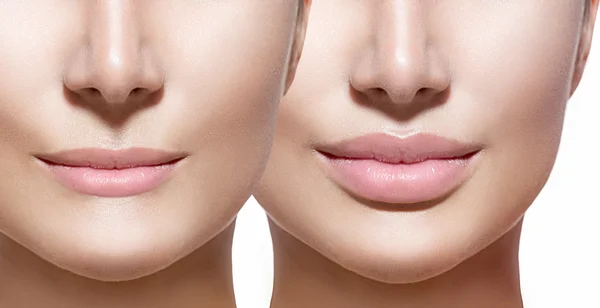
Contact us
Create Your Appointment
Why Is a Pre-Visit Consultation with Your Doctor Important?
The most important part of the preparation is, in fact, the consultation itself. Clearly sharing your desired lip shape, reference photos, and concerns before the procedure ensures the plan is set up correctly from the start. The approach for someone who says, “I don’t want it to be obvious that I’ve had work done,” will not be the same as for someone who wants noticeable volume.
During this consultation, there are some things you should ask me as well. The brand of the product used, how long the results last, and how painful the procedure is are the most common questions; regarding pain, Does lip filler hurt? I explained this in my article. Clarifying expectations from the start prevents disappointment later on.
Please also describe any previous experiences you’ve had with fillers. If you’ve ever experienced lumps, excessive swelling, or an allergic reaction, this information will directly influence my choice of product and technique.
How Should You Prepare for a Trading Day?
The rule for the morning of your appointment is simple: come without any makeup and without touching your lips. Residue from lipstick, lip liner, and moisturizer makes it harder to clean the treatment area and increases the risk of infection. Just wash your face and come as is.
Don’t go without eating that day. Eating a light meal and drinking plenty of water before your appointment will help prevent your blood pressure from dropping and dizziness during the procedure. Bringing sunglasses and a light scarf with you will allow you to easily conceal any possible bruising when you leave.
One final reminder: If you have an important event coming up, schedule the procedure at least two weeks in advance. It takes time for the lip to settle once the bruising and swelling have subsided; the healing process Swelling after lip fillers You can follow along using the calendar in my post. As for the procedure I followed, lip fillers You can find it on my page.
Frequently Asked Questions
How many days before my lip filler procedure should I start preparing?
A general recommendation is to review your supplements and any unnecessary medications 5–7 days before the procedure. It is sufficient to stop drinking alcohol two or three days before the procedure and to stop intense exercise one day before. Be sure to consult your doctor regarding any prescription medications.
Can I take pain medication before the procedure?
Pain relievers such as aspirin and ibuprofen are not recommended because they thin the blood and increase the risk of bruising. If you are experiencing pain, ask your doctor which medication is appropriate. Paracetamol is generally considered a safer option in most cases.
Can I get lip fillers during my period?
There are no medical contraindications, but your pain threshold may be lower during this time, and you may experience slightly more swelling. If you’d like, we can schedule your appointment for a time outside your menstrual period. The decision is entirely up to you and your comfort.
What should I eat before the procedure?
Don’t come to your appointment on an empty stomach; eat a light meal and drink plenty of water. This will reduce the risk of low blood pressure and dizziness during the procedure. Limiting your intake of salty foods that day will help keep swelling under control.
I'm prone to cold sores—is it unsafe for me to get this procedure done?
It’s not a contraindication, but precautions are necessary. If you mention that you have a history of recurring cold sores, protection can be provided with an antiviral medication started before the procedure. If you have an active cold sore, the procedure will be postponed until it heals.
Will it be a problem if I come wearing makeup?

Appointment & Contact
Contact our clinic for reliable and personalized planning in medical aesthetic applications.
Write to Us
Let's Create Your Appointment Now
Application
Filling Application
You can have this procedure done at Dr. Melis Ülger’s office in Kadıköy Caddebostan.
Related Articles
 English