










2026 Filling Prices: Rates by Region
13/08/2026
Post-Mesotherapy Precautions: 2026 Care Guidelines
14/08/2026Smoothing Smile Lines with Crow's Feet Botox
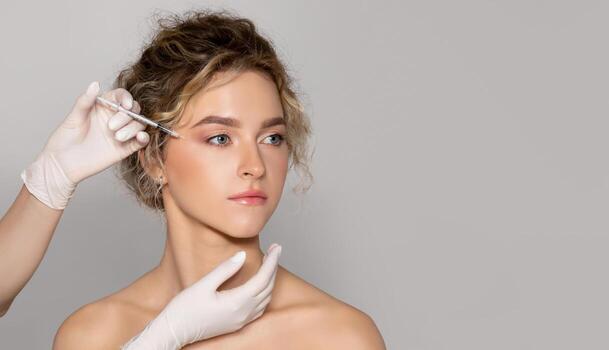
Those fine lines that run from the outer corner of your eye toward your temple when you smile are one of the details you notice most in the mirror. Crow’s feet Botox comes into play right here. Crow’s feet Botox is a non-surgical procedure that softens these lines by partially relaxing the orbicularis oculi muscle—which creates the lines that appear at the corners of the eyes when you smile—using botulinum toxin. In other words, without completely paralyzing the muscle, we use a few units of toxin to reduce the intensity of the movement.
In this article, I’ll explore the topic by focusing solely on the outer corners of the eyes—that is, the smile lines. The general eye area Botox for the eye area I covered this topic broadly in my article; here, I’ll delve deeper into the “smile lines” aspect of the issue. My goal is to show the realistic limits of reducing the tired appearance of your eyes without erasing your natural expression.
Highlights
- Crow’s feet Botox works by relaxing the orbicularis oculi muscle, which causes the smile lines around the eyes.
- The effect is not permanent; muscle strength returns within 3–4 months for most people.
- The best results are achieved with dynamic lines—that is, those that appear when you smile; treating deep lines that remain visible even when the face is at rest may not be sufficient on its own.
- The goal is not to completely erase the line; it is to leave enough movement to preserve the dimple when smiling.
- The price of a goose foot procedure varies from person to person depending on the number of units used, the specific treatment, and the doctor’s treatment plan.
What Is Crow's Feet Botox?
Crow’s feet Botox is a small-volume injection into the facial muscle at the corner of the eye. The orbicularis oculi is a ring-shaped muscle that encircles the eye and contracts the skin at the corners of the eyes with every smile. The toxin temporarily reduces the nerve signals sent to this muscle; as the muscle relaxes, the lines appear shallower.
The fact that the effect is temporary is actually an advantage in this region. In Wikipedia's article on botulinum toxin As noted, the toxin’s effects are not permanent; nerve transmission recovers on its own within a few months. In an area like the eyes, which conveys your facial expressions, this reversibility means that any potential excess will also fade over time.
The general mechanism of action of the toxin what is botox You can find it in his article; here, my focus is entirely on the smile line itself. The same molecule requires a completely different level of precision in a different area.
Why Do Smile Lines Become Permanent?
The lines that form when you smile begin with the repeated folding of the skin at the corners of the eyes. In young skin, this folding unfolds once the smile ends, leaving no trace. As the years go by, collagen decreases, the skin loses its elasticity, and the same crease becomes visible even when the face is at rest.
The skin around the eyes is the thinnest area of the face; that’s why it shows signs of aging earlier than anywhere else. Sun exposure, smoking, and frequently squinting accelerate this process. Crow’s feet can therefore begin to appear even in one’s early thirties.
It’s no coincidence that so much research has been conducted on the use of this toxin in this area. In 2013, the U.S. Food and Drug Administration (FDA) approved botulinum toxin for the treatment of crow’s feet. This means the area around the eyes is one of the regions where this molecule has been most extensively studied clinically.
Distinguishing Between Dynamic and Static Line Types
There are two types of lines on the crow’s feet, and the distinction between them determines their nature. The dynamic line appears only when you smile or squint; it disappears when your face is at rest. The static line, on the other hand, remains visible even when the muscle is at rest, because a permanent mark has formed on the skin.
Botox produces the most effective results on dynamic lines; as it reduces movement, the line smooths out significantly. For static lines, simply stopping movement isn’t enough on its own, because the problem now lies within the skin layers. In such cases, treatment for crow’s feet is often planned in conjunction with additional steps, such as skin resurfacing or light fillers.
The table below compares the three types of lines around the eyes and shows the proportion of Botox used for each.
| Line type | When will it appear? | Botox response | Additional Approach |
|---|---|---|---|
| Dynamic crow's foot | Only when I smile or squint | A noticeable easing | Usually sufficient on its own |
| Static crow's foot | Even when the face is still | Partial | Skin rejuvenation or light filler |
| Deep-set line | Clear in every statement | Limited | Combined plan with intermittent sessions |
How Is Cankle Botox Administered?
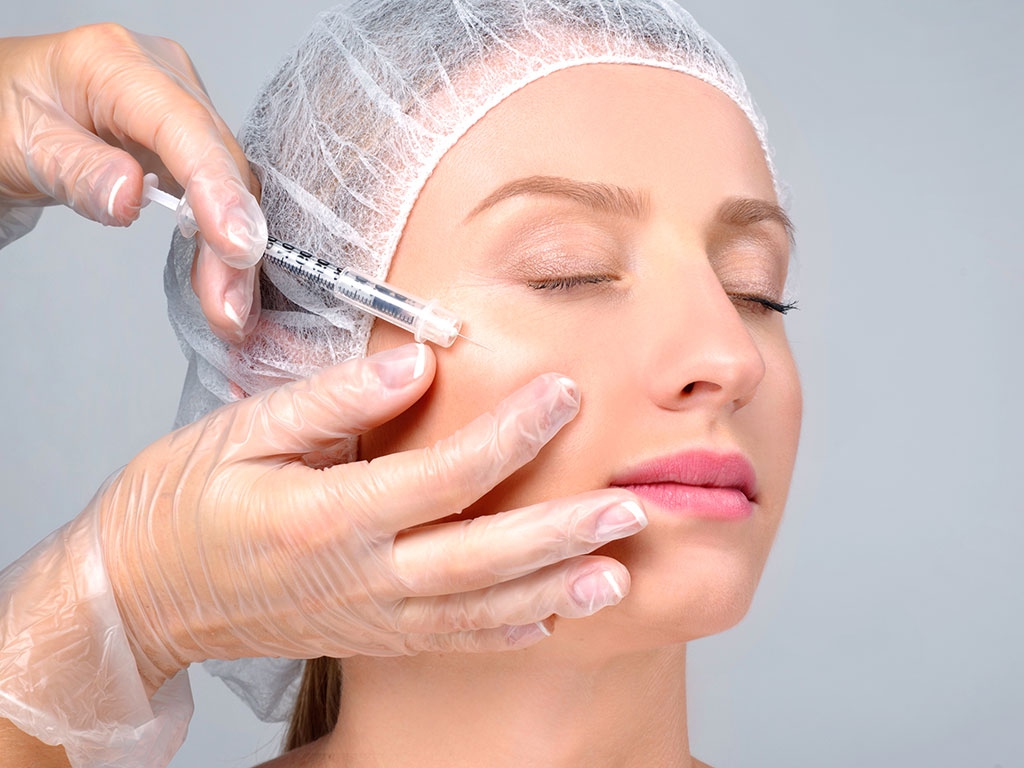
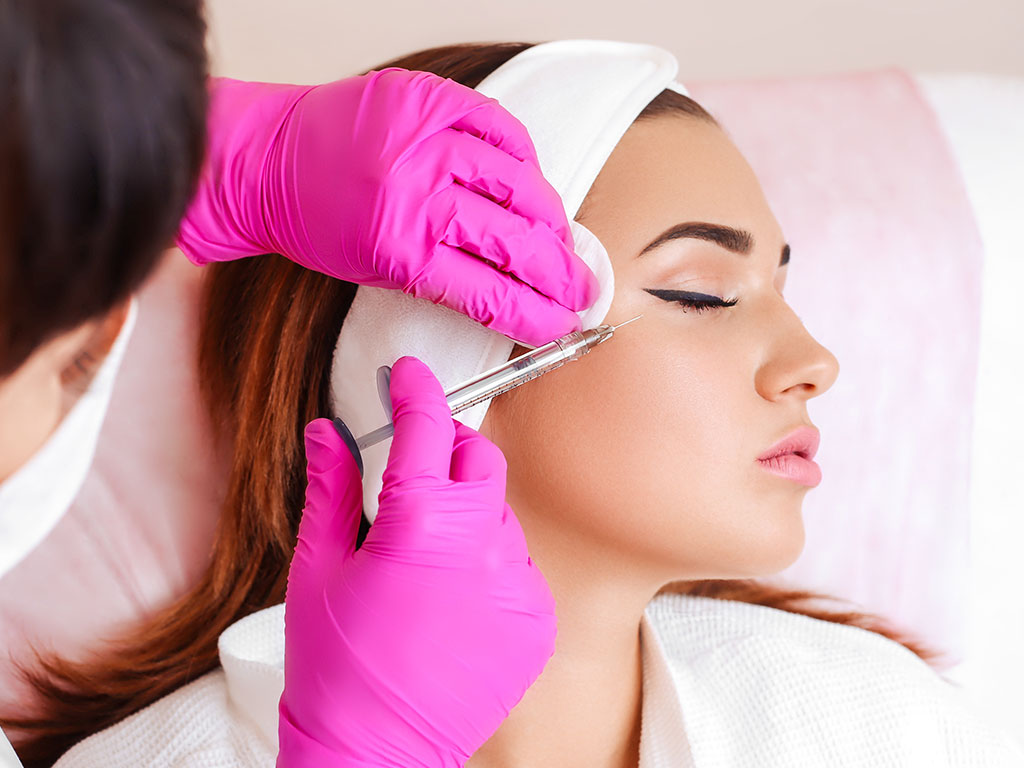
Before the procedure, I’ll observe you as you speak and smile, because the direction of the lines varies from person to person. I’ll use a fine needle to inject the toxin into a few small points along the outer edge of the eye, starting just above the cheekbones. The procedure takes a few minutes, and most clients return to their normal routine the same day.
The choice of injection site is crucial here. If I place the needle too close to the point where the apple of the cheek creates the smile, the smile will look unnatural; if I go too far down, the cheek muscle may be affected. That’s why botox application areas When it comes to the eye area, it’s one of the areas where I’m most careful.
Contact us
Create Your Appointment
The Right Balance to Preserve Your Natural Smile
The trick with the eye area isn’t to erase the lines, but to soften them in a measured way. A genuine smile that spreads to the cheekbones creates a slight crow’s-feet effect; eliminating it entirely makes the smile look stiff. Leave a little movement so your gaze looks lively.
I start with a conservative dose during the first session. Two weeks later, we’ll review the results together; if necessary, I’ll add a small adjustment of a few units. It’s always safer to start with a lower dose and add more later than to give too much and wait months for it to resolve.
Our goal is to soften your lines without altering your smile—in other words, to achieve a result that makes people say, “You look well-groomed,” but doesn’t reveal that you’ve had any procedures done. Since the area around the eyes is where facial expressions are most pronounced, it’s important to balance movement rather than stop it entirely.
What Factors Affect the Price of Goose Feet?
The price of Botox injections isn’t determined by a single factor; it’s influenced by several variables. The most fundamental factor is the number of units used: a large, strong eye muscle requires more units. The brand of toxin used, the doctor’s experience, and the clinic’s location also affect the price.
That’s why it wouldn’t be right to give a specific price over the phone; the cost will be determined during the consultation. A product that’s too diluted just because it’s cheap—or an inexperienced practitioner—can end up costing you dearly when it comes to an area like the eyes. It’s wiser to prioritize the outcome and safety over price in this case.
Common Mistakes When Drawing Eye Liner
The most common mistake I see is the desire to completely cover the lines around the eyes in a single application. Too much product freezes the smile and makes the eyes look like a mask. The second mistake is relying solely on the toxin without distinguishing whether the line is static or dynamic. In short, crow’s feet are managed not only by dosage but also by precise injection site selection.
Another common mistake is repeating the exercise too frequently. If the muscle is completely relaxed each time, it will gradually atrophy, and the result will lose its natural appearance. The correct interval requires patience—enough to allow the muscle to partially recover.
Who Is It Suitable For, and Who Should Wait?
Botox injections in the crow’s feet area produce good results in healthy adults who are bothered by early- to moderate-stage dynamic lines that appear when smiling. Satisfaction is high among individuals with realistic expectations. However, when it comes to very deep lines that remain visible even when the face is at rest, the results are limited when Botox is used alone.
In some cases, I postpone the procedure. During pregnancy and while breastfeeding, as well as in patients with neuromuscular disorders or known allergies to the toxin, I do not treat the area. I also exercise much greater caution when selecting treatment sites for patients with noticeably drooping eyelids.
Post-Procedure Care and Duration: How Many Months Does the Effect Last?
No special recovery period is required after this procedure; most patients go about their day as usual. It is sufficient to avoid massaging the area for the first few hours, to avoid bending forward for extended periods, and to postpone strenuous exercise. Any minor redness, if present, will disappear quickly.
Sonuç ne kadar kalır, herkesin ilk merakı. Göz kenarındaki kas çoğu kişide 3-4 ayda eski gücüne döner; bakışını dinlenmiş tutmak isteyenler yıl içinde birkaç tazeleme planlar. Uluslararası Estetik Plastik Cerrahi Derneği’nin (ISAPS) derlemelerinde botulinum toksini, ameliyatsız estetik işlemlerin yaklaşık %40’ını tek başına oluşturur; yani bu tazeleme alışkanlığı hayli yaygın.
The corners of your eyes are the most revealing part of your smile. Botox When planning, my priority is to soften the lines while leaving the genuine smile as it is. If the lines that appear when you smile bother you, Communication You can contact my clinic in Caddebostan through the website and schedule an initial consultation. I always tailor the treatment plan specifically for you after your examination.
Frequently Asked Questions
Does crow's feet Botox ruin your smile?
The right dose won’t cause any problems; the goal isn’t to stop movement entirely, but to soften the lines that appear when you smile. The area that creates the apple-cheek smile is left untouched. An unnatural-looking smile is usually caused by an excessive dose.
How many months does the effect of crow's feet Botox last?
The effects usually last 3–4 months. At the end of this period, muscle movement around the eyes gradually returns to normal. People who want to maintain their appearance typically repeat the procedure several times a year.
What factors determine the price of goose feet?
The price varies depending on the number of units used, the brand of toxin, and the doctor’s treatment plan. Therefore, the exact cost will be determined during the consultation. When it comes to a sensitive area like the eyes, experience takes priority over price.
What is the difference between a dynamic and a static crow's foot?
Dynamic lines appear only when you smile; static lines remain visible even when your face is at rest. Botox is much more effective on dynamic lines. For static lines, additional steps—such as skin rejuvenation—are often required.
Is Botox for crow's feet administered to men?
Yes, it is applicable. Since the muscles around the eyes are generally stronger in men, the dose can be set slightly higher. The treatment plan is still tailored to the individual’s facial expressions.
Can I wear makeup after the procedure?

Appointment & Contact
Contact our clinic for reliable and personalized planning in medical aesthetic applications.
Write to Us
Let's Create Your Appointment Now
Application
Botox Treatment
You can have this procedure done at Dr. Melis Ülger’s office in Kadıköy Caddebostan.
Related Articles


 English