








Skin Care After Hydrafacial
11/09/2025
Get Rid of Skin Blemishes with Spot Mesotherapy
15/09/2025Highlights
- Forehead lines are caused by muscle movement leaving permanent marks over time.
- Forehead Botox is often scheduled in conjunction with treatment between the eyebrows (glabella).
- Evaluating the two regions together yields a more balanced result.
- The article discusses how the method is applied and its impact on expression.
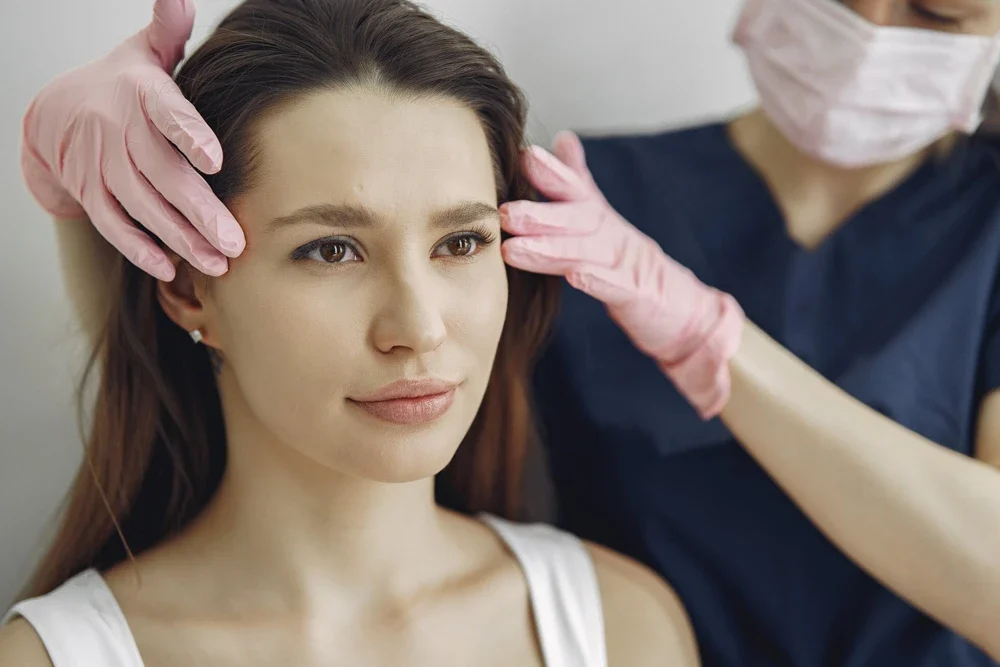

Application
Botox Treatment
You can have this procedure done at Dr. Melis Ülger’s office in Kadıköy Caddebostan.
Frequently Asked Questions
Do forehead lines really change facial expressions?
Yes. As horizontal lines become more pronounced, a person may appear constantly tired, anxious, or tense—even when they’re well-rested. Most clients come to the clinic not because they say, "I have wrinkles," but because they say, "I always look like I’m frowning." This can also lead to giving the wrong impression in social interactions.
Why is the frontalis muscle constantly active?
The frontalis is a broad, flat muscle that raises the eyebrows. It contracts with every eyebrow-raising movement, causing the overlying skin to fold like an accordion. This is a movement that is repeated many times throughout the day without us even realizing it.
Why do the lines become permanent?
In youth, the skin is elastic thanks to high levels of collagen and elastin; when the muscles relax, it immediately returns to a smooth state. With age and the effects of sun damage, the skin loses this ability to rebound. Every contraction leaves a small mark, and over time, these marks deepen, turning into permanent static wrinkles.
How does Botox change this picture?
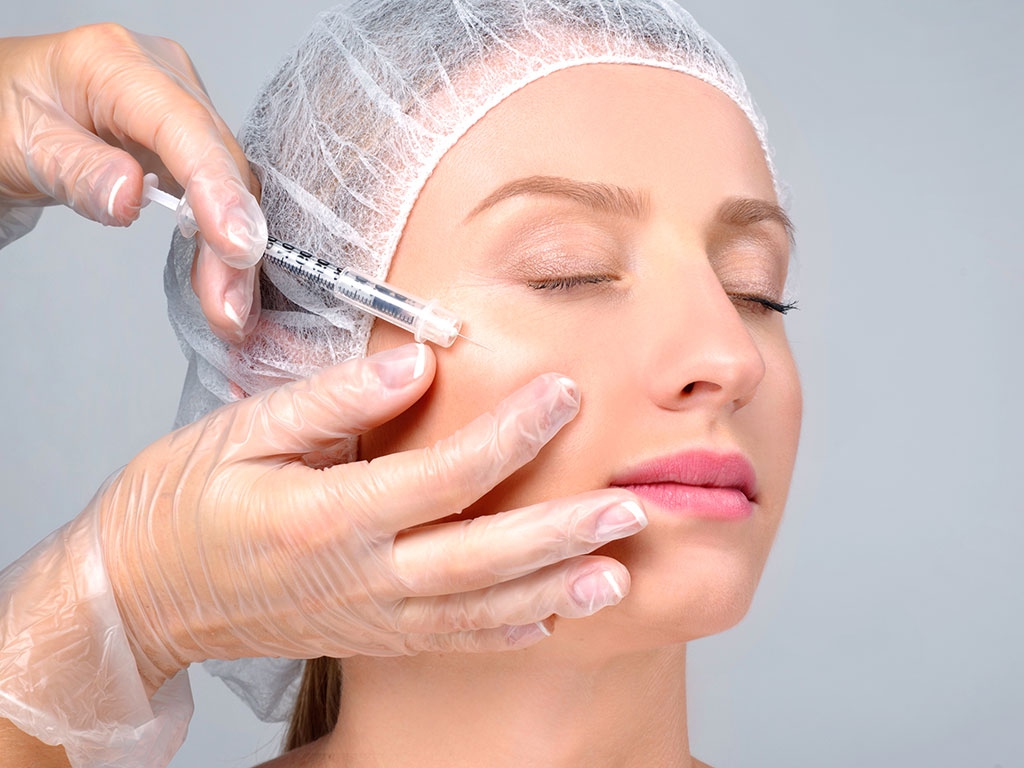
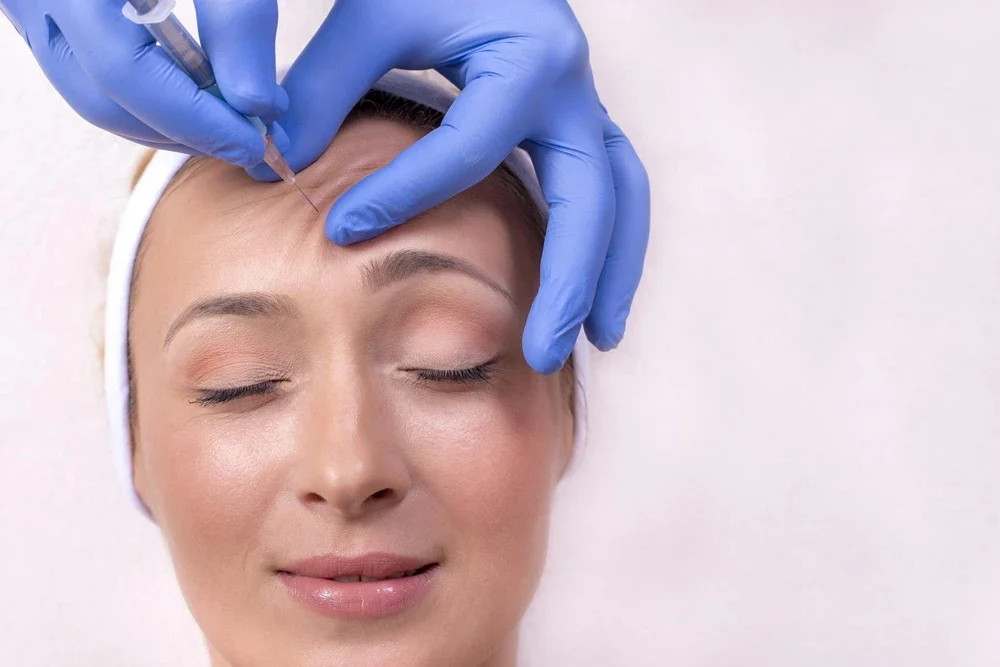
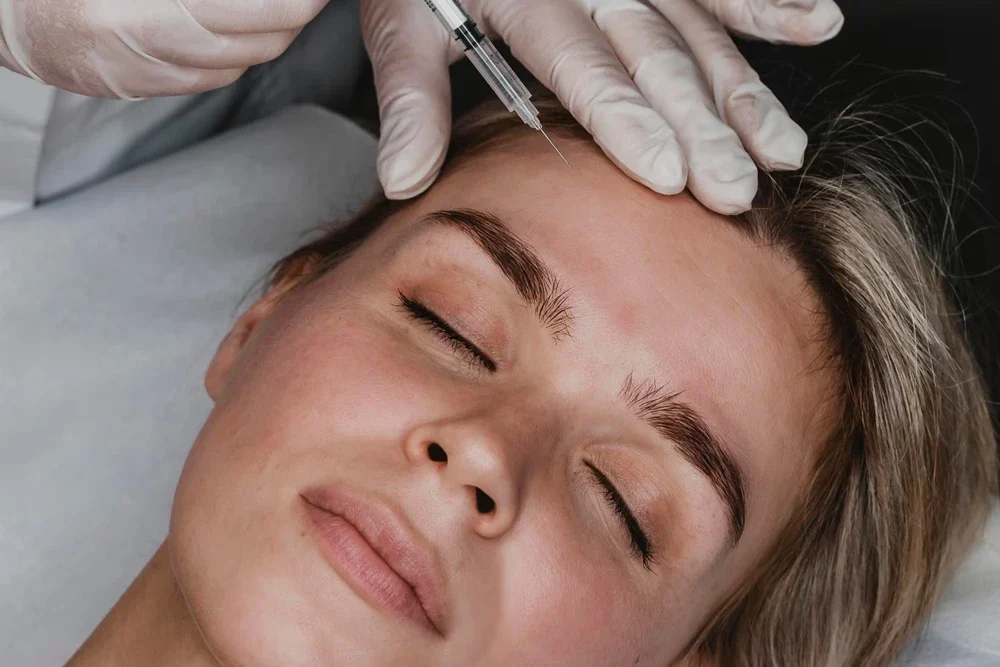
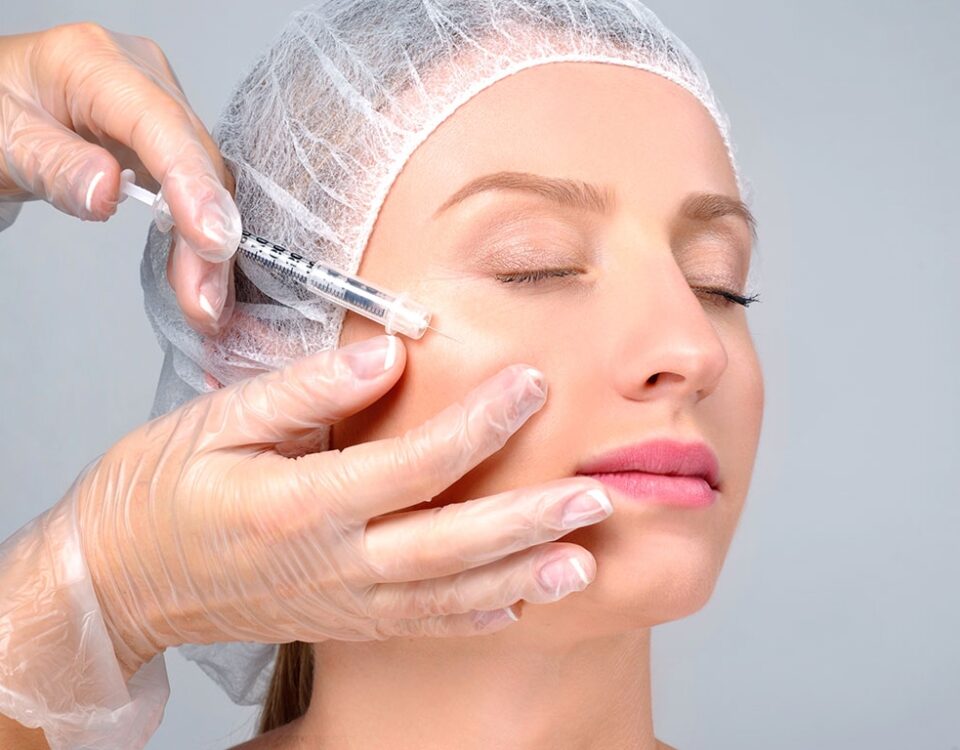
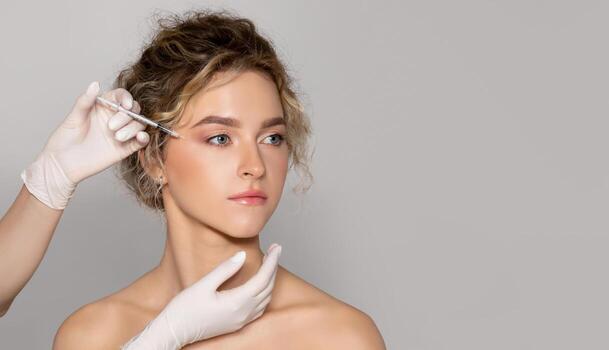
Botulinum toxin injected into specific points of the frontalis muscle temporarily blocks communication between the muscle and the nerve. The overactive muscle relaxes and enters a resting state, preventing constant contraction of the skin and significantly softening horizontal lines.
Is the goal to completely stop the muscle?
No. The goal is not to paralyze the muscle, but simply to control its excessive activity in order to achieve a calmer, smoother forehead surface. During this recovery period, the skin also has a chance to repair itself.

 English