




Do Forehead Lines Give You a Tired Look?
12/09/2025
Kadikoy Hair Mesotherapy
16/09/2025Highlights
- A spot is caused by excessive and irregular melanin production by melanocytes.
- Sun damage, hormonal changes, and post-inflammatory hyperpigmentation are defined separately.
- It is said that melasma is one of the most difficult types of skin discoloration to treat.
- The rationale for applying the product directly to the target layer rather than leaving it on the surface is explained.
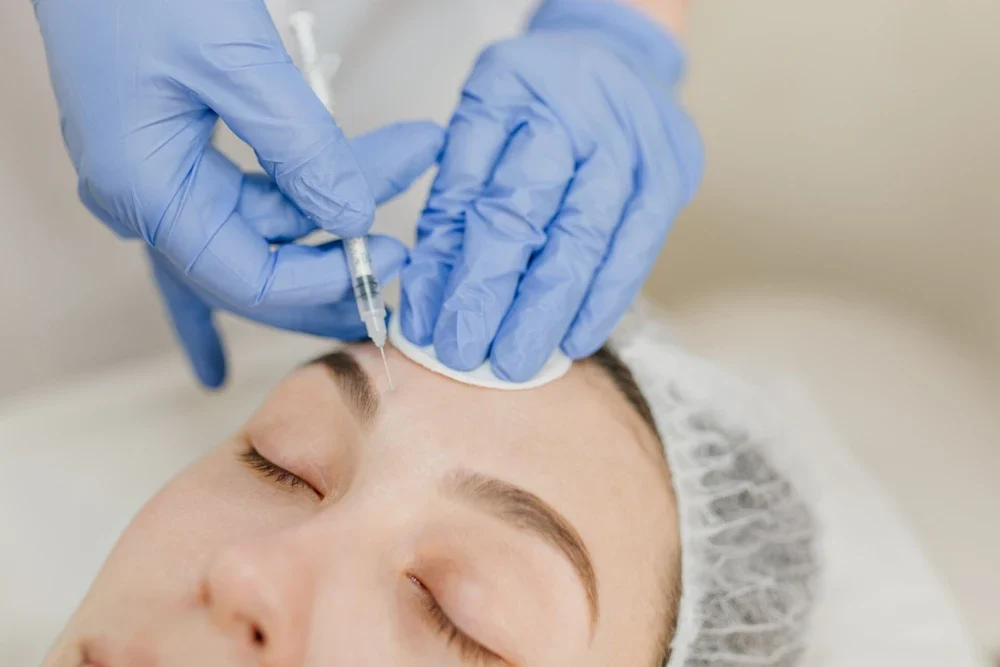

Application
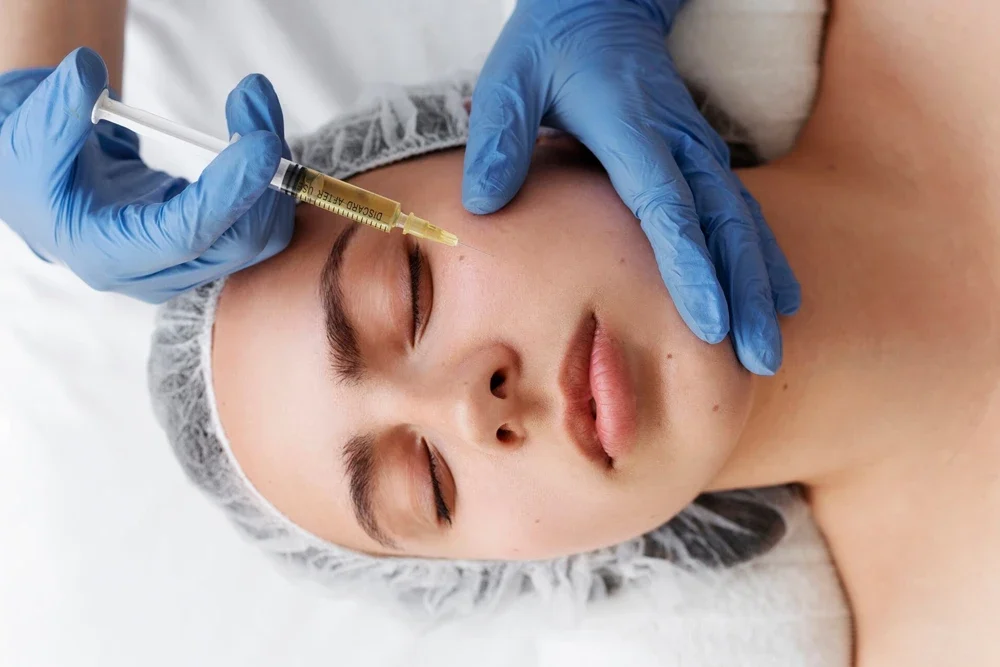
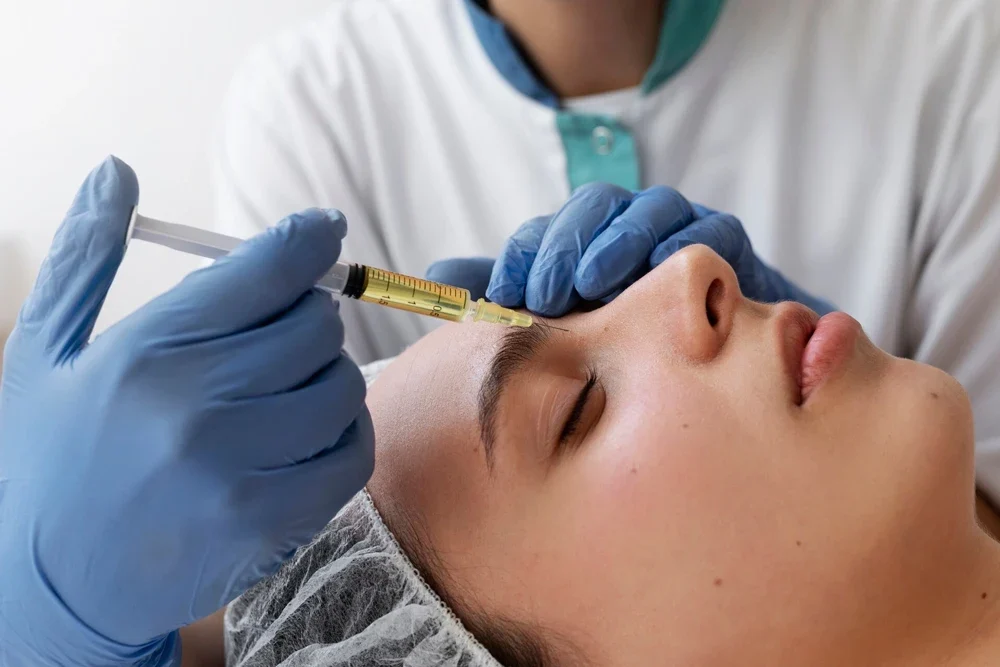
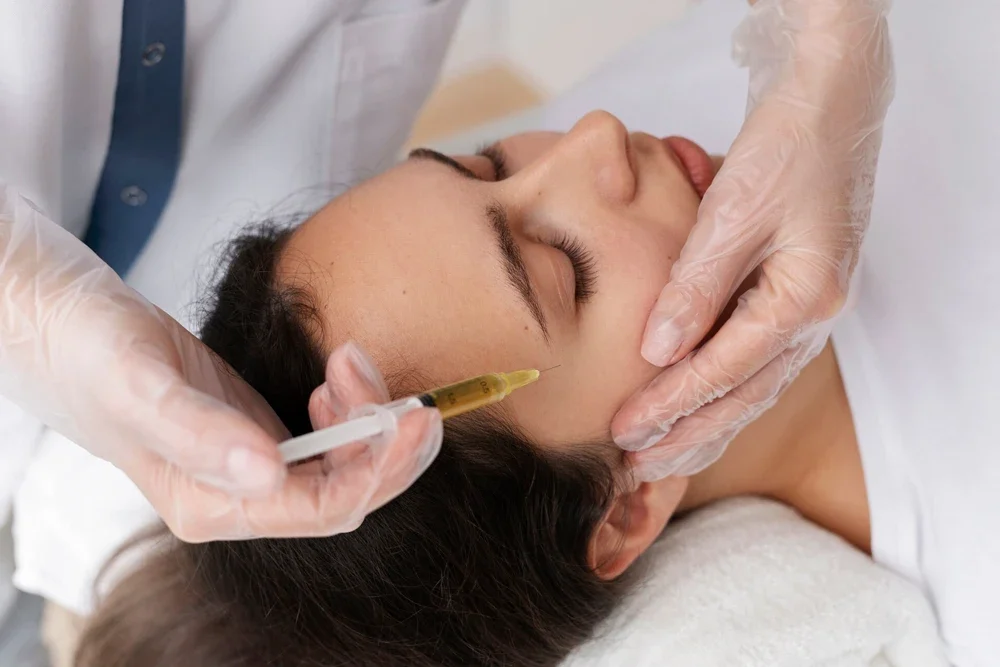
Mesotherapy Treatment
You can have this procedure done at Dr. Melis Ülger’s office in Kadıköy Caddebostan.
Frequently Asked Questions
What causes skin spots?
Melanin, which gives the skin its color, is produced by cells called melanocytes. When various factors stimulate these cells, leading to excessive and irregular melanin production, the pigment accumulates in certain areas and forms the dark patches we see as spots.
What are the most common types of spots?
Three groups stand out: lentigo (sunspots) caused by unprotected sun exposure; melasma that appears due to pregnancy or hormonal fluctuations and appears as a symmetrical, map-like pattern on the forehead, cheeks, and the upper lip, and post-inflammatory hyperpigmentation (PIH), which remains after acne, wounds, burns, or eczema.
Why is spot mesotherapy more effective than creams?
Creams have difficulty penetrating the skin’s protective barrier to reach the deeper layers where melanin production occurs, so their effects remain on the surface. Pigmentation mesotherapy bypasses this barrier, delivering the anti-pigmentation cocktail directly to the middle layer of the skin—exactly where it’s needed.
What's in the cocktail?
The mixture is customized for each patient based on their specific type of pigmentation, skin type, and needs. One of the key ingredients is vitamin C (ascorbic acid), which inhibits melanin production and brightens the skin.
Why is melasma more challenging?
Because the cause is hormonal, it tends to recur unless the trigger is eliminated. The article describes it as one of the most challenging types of pigmentation; therefore, the treatment plan and sun protection are managed more meticulously than for other types of pigmentation.


 English