











2026 Mesotherapy Prices: Factors Affecting the Cost
24/07/2026
Lip Filler Longevity: How Long Will It Last in 2026?
27/07/2026What Should Summer Skin Care Involve, and Which Treatments Are Appropriate?
As the weather gets warmer, your skin’s needs change; a heavy skincare routine that works in the winter can easily overwhelm your skin in the summer. That’s exactly why summer skincare deserves its own section. When heat, sweat, and sun combine, your skin becomes both oilier and more prone to dark spots.
Summer skincare is an approach that protects the skin against increased sun exposure, sweat, and oiliness during the hot season, and replaces heavy products with a light, hydration-focused routine. In this article, we’ll discuss why the skin faces challenges in the summer, how to properly set up your sun protection, and which clinical procedures are safe in the heat and which should be postponed until fall.
There’s something I often tell my clients: In the summer, you don’t need the most expensive serum—you need the most reliable sunscreen. The rest of your skincare routine is built around that.
Highlights
- Summer skincare involves switching from heavy creams to light moisturizers and making sun protection a central part of your routine.
- Amerikan Dermatoloji Akademisi, dışarıda geçen her gün en az SPF 30 geniş spektrumlu koruyucu önerir; bu ürünler UVB ışınının yaklaşık %97’sini süzer.
- In hot weather, the skin produces more oil and sweats more, which increases the risk of clogged pores and blemishes.
- While non-ablative treatments such as HydraFacial and mesotherapy are suitable for summer, aggressive laser treatments and deep peels are often postponed until fall.
- Reapplying sunscreen every two hours is just as important as choosing a high SPF.
What Puts a Strain on the Skin in the Summer?
In the summer, the skin has to deal with three things at once: the sun, sweat, and heat-induced oil production. As the temperature rises, the sebaceous glands become more active, and the skin appears shinier and more prone to clogging. This oil, mixed with sweat, accumulates at the pore openings and sets the stage for breakouts.
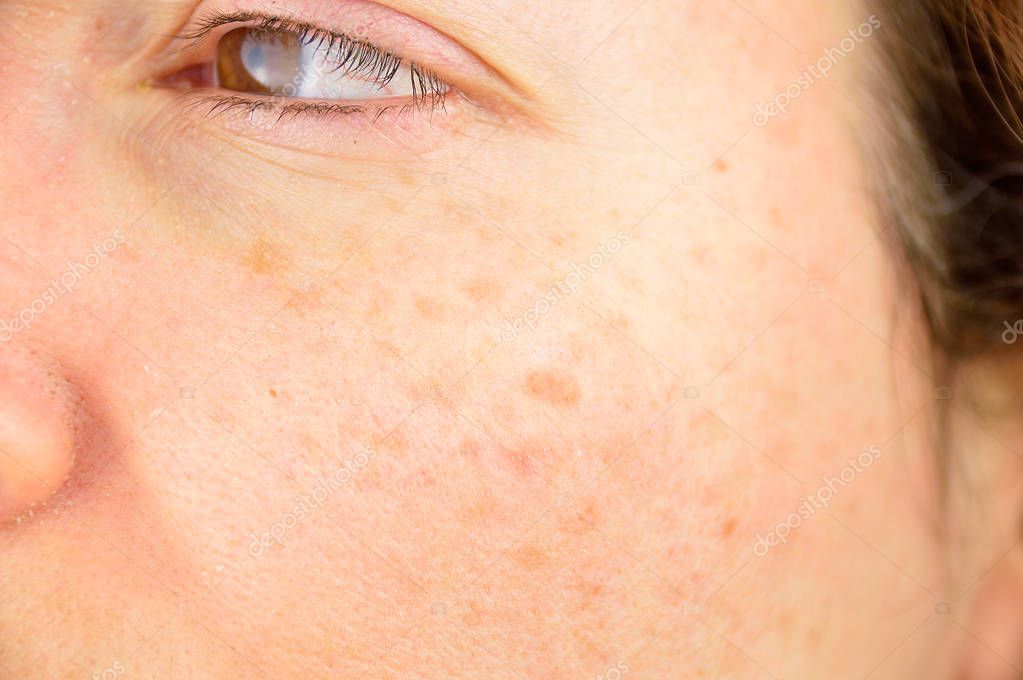
Then there’s the sun. Ultraviolet rays don’t just cause sunburn—they also trigger melanin production and darken existing spots. That’s why complaints about spots increase significantly in the summer.
Skin that becomes dry in the winter often seeks the opposite balance in the summer. The goal is to reduce the product’s heaviness while retaining moisture.
Why Is Skin Protection Different in the Summer?
Unlike in winter, summer skincare focuses on managing sun exposure and sweat. While our priority in winter is to combat dryness and repair the skin barrier, in summer the focus shifts to preventing dark spots and clogged pores. In other words, it’s not just the products that change—the order of priorities does as well.
Heavy, oily creams sit on the skin like a thin film in the summer and trap sweat. Instead, water-based, lightweight moisturizers nourish the skin without weighing it down. An antioxidant vitamin C serum provides an extra layer of protection against sun damage.
Summer skin protection depends not on a single product, but on a habit. Seeking shade, wearing a hat, and avoiding the midday sun are far more effective than even the most expensive sunscreen.
How Should You Use Sunscreen?
Using sunscreen is an essential part of summer skincare. Applying it regularly and in sufficient amounts is just as important as choosing the right product. Many people don’t get the protection they expect because they don’t use enough product.
The American Academy of Dermatology recommends using a broad-spectrum sunscreen with an SPF of at least 30 every day you go outside sunscreen önerir; bu değerdeki bir ürün UVB ışınlarının yaklaşık %97’sini süzer. Aynı kurum, koruyucuyu iki saatte bir, yüzdükten ya da terledikten sonra yeniden sürmeyi hatırlatır.
Aynı akademinin aktardığına göre gözle görülür yaşlanmanın yaklaşık %90’ı güneşin uzun yıllara yayılan etkisiyle açıklanır. Bu yüzden koruyucuyu yalnızca sahilde değil, şehirde, bulutlu günde ve cam arkasında da sürmek gerekir. Biriken güneş hasarı zamanla lekeye döner; bu tablonun çözümünü sunspot treatment I discussed this in detail in my article.
As the seasons change, your skin’s needs change too; preparing for the colder months Preparing Your Skin for Winter I explained it in my article.
As the seasons change and sun exposure decreases, planning changes as well; which treatment is appropriate for which season What tasks are performed in the fall? I summarized it in my post.

Contact us
Create Your Appointment
Summer Skincare Routine: Morning and Evening
A summer skincare routine focuses on protection in the morning and repair in the evening. In the morning, you wash your face with a gentle gel cleanser and finish your routine with an antioxidant serum and sunscreen. In the evening, the priority is to remove the sweat, oil, and sunscreen that have built up throughout the day.
A light moisturizer in the evening is sufficient for most skin types. Those prone to dark spots can add niacinamide or a retinoid, as recommended by a doctor. If you plan to use a retinoid throughout the summer, you must never skip your morning sunscreen.
Simplifying your routine is the smartest move you can make in the summer. A small number of the right products will both protect your skin and keep it from getting overwhelmed by the heat.
How Can You Simplify Your Skincare Routine in Hot Weather?
Skincare in the heat starts with cutting back on the products you layer on in the winter. In high temperatures, your skin already produces plenty of its own oil, and adding a heavy cream on top of that can clog your pores. That’s why the “less is more” principle works well in the summer.
Choose a pH-balanced, gentle cleanser instead of foaming, harsh cleansers. Limit acid-containing steps, such as toners and exfoliants, to once or twice a week. If your skin is cleansed before it becomes dry, it won’t produce extra oil to compensate.
Don’t forget to moisturize. Even oily skin loses moisture in the summer; a light, water-based moisturizer helps maintain that balance.
Which Procedures Should Be Performed in the Summer, and Which Should Be Postponed?
There is only one criterion for deciding which treatments to undergo in the summer: how much does the treatment increase the skin’s sensitivity to the sun? Treatments that do not exfoliate the skin and largely preserve the outer layer can be safely scheduled throughout the summer. Treatments that exfoliate the skin or use intense light, however, require greater caution.
The most comfortable ways to prepare for summer are Hydrafacial and mesotherapy. Hydrafacial cleanses deep within the pores and hydrates the skin; for more details, hydrafacial skin care You can find this in my article. Mesotherapy, on the other hand, nourishes the skin from within with a cocktail of vitamins and moisture; neither of these treatments causes sun sensitivity.
Botox and dermal fillers can be administered year-round, as they do not affect the skin’s pigmentation. With radiofrequency gold needle treatment, however, the choice of season requires a bit more care. This distinction Is the "Golden Needle" done in the summer? I went through them one by one in my post.
Aggressive fractional laser treatments, strong chemical peels, and certain procedures that directly target pigmentation are often postponed until fall. After these procedures, the skin remains highly sensitive to the sun, and the risk of hyperpigmentation increases under the intense summer sun.
Tasks to Tackle This Summer and Those to Postpone
The table below summarizes which of the most frequently requested treatments during the hot months are suitable for summer and why. However, we can only determine the most appropriate treatment for you through an in-person skin analysis.
| Method | Summer Availability | Why |
|---|---|---|
| Hydrafacial | Appropriate | It doesn't strip the skin, moisturizes it, and doesn't cause sun sensitivity |
| Mesotherapy | Appropriate | Nourishes the skin from within; does not affect pigmentation |
| Botox / Fillers | Appropriate | It does not alter the skin's surface or color |
| Golden Needle (Radiofrequency) | Conditionally eligible | If you strictly follow sun protection guidelines, you can do it even in the summer |
| Fractional Laser / Deep Peel | Postponed | After the procedure, the skin remains extremely sensitive to the sun |
Common Summer Skin Care Mistakes
The most common mistake I see all summer long is applying sunscreen once in the morning and then forgetting about it for the rest of the day. By the afternoon, the protection has already worn off, even though reapplying takes only a few minutes.
The second common mistake is thinking that a tan is a sign of good health. A tan is actually the skin’s response to damage—not a form of protection. The third mistake is trying to have a treatment done on sunburned or newly tanned skin; we postpone most treatments on skin in that condition.
Then there are those who completely abandon their routine. Skipping it for a few days while on vacation won’t ruin your skin right away, but breaking the habit can cost you in the long run.
A Personalized Summer Skincare Plan
Not every skin type reacts the same way to summer. Oily, blemish-prone skin and dry, sensitive skin have very different needs even at the same temperature. That’s why, instead of offering a one-size-fits-all solution, I prefer to assess your skin and create a personalized summer skincare plan just for you.
Summer-friendly apps and the routine that will work best for you Treatments You can check it out on my page and contact me to discuss your eligibility Communication You can schedule an appointment on the website. It’s always easier to start thinking about your skin at the beginning of summer rather than at the end.
Last updated: July 27, 2026
This content has been reviewed by Dr. Melis Ülger, a medical aesthetics specialist. Dr. Melis Ülger is a medical aesthetics specialist who provides personalized summer skin care and seasonal skin care plans to her patients at her practice in Caddebostan.
Frequently Asked Questions
What is the most important step in summer skincare?
The undisputed first step is sun protection. Moisturizing and proper cleansing are important, but without sunscreen, the rest of your routine is for nothing. Every positive result you achieve in the summer is preserved through protection.
Should people with oily skin use moisturizer in the summer?
Yes, even oily skin loses moisture in the summer. Skipping moisturizer leaves the skin dehydrated, and the skin tries to compensate by producing more oil. A light, water-based moisturizer is the best choice for this skin type.
Should I apply sunscreen even on cloudy days?
Yes. Ultraviolet rays penetrate clouds and glass to reach the skin. That’s why you should apply sunscreen even on days when you can’t see the sun. Sun protection isn’t a matter of the weather—it’s a matter of habit.
Is it harmful to get a peel in the summer?
Mild and superficial peels can be performed even in the summer when combined with strong sun protection. Deep and intense peels, however, are generally postponed until fall because they leave the skin sensitive to the sun. We’ll work with you to determine the appropriate intensity based on your skin type.
Can you perform a skincare treatment on tanned skin?
Newly tanned or sunburned skin is more sensitive and is not suitable for most treatments. With this type of skin, we wait for it to return to its normal tone first. Rushing the treatment can increase the risk of discoloration.
When should I start my summer routine?
Ideally, you should make the switch in late spring, before the weather gets warmer. That way, your skin will be ready for summer conditions. Still, it’s not too late to simplify your routine even in the middle of summer.

Appointment & Contact
Contact our clinic for reliable and personalized planning in medical aesthetic applications.
Write to Us
Let's Create Your Appointment Now
Related Articles


 English