


What Is Hyaluronic Acid, and What Does It Do for the Skin?
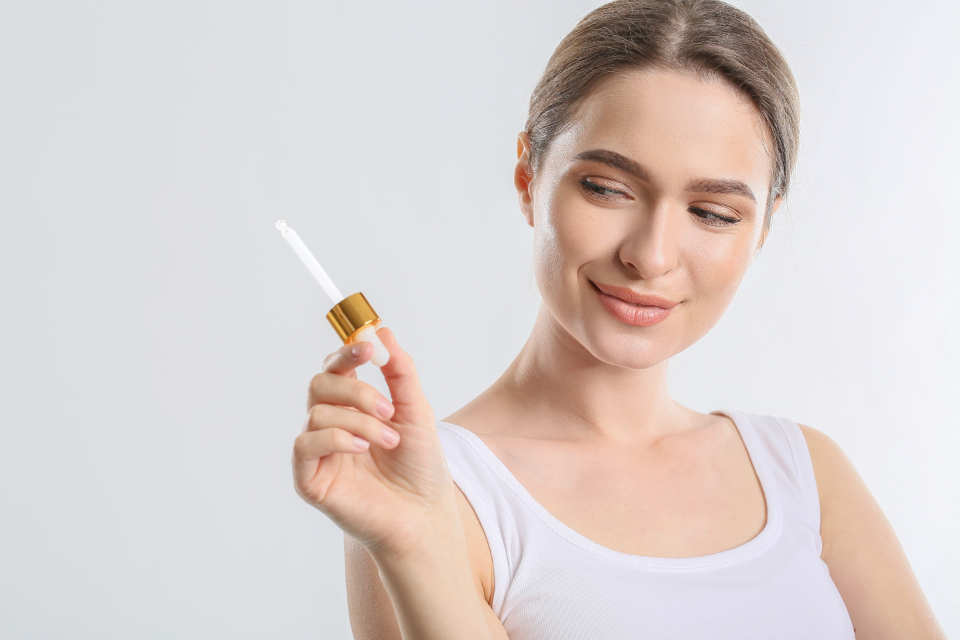
"What is hyaluronic acid?" is one of the health questions I hear most often in consultations. The short answer: hyaluronic acid is a natural molecule produced by our own body that holds water and gives tissues moisture and fullness. In other words, it is not a foreign substance from outside but a component already found in the structure of our skin.
In this article I explain in plain language what hyaluronic acid does in the skin, why it is used so often in fillers, and how topical products differ from injections. My aim is for you to know what you are dealing with when choosing a product or a procedure. Understanding what you put on your skin is often worth more than the most expensive product.
Highlights
- In essence, hyaluronic acid is a natural sugar molecule made by the body that binds water and holds moisture.
- According to skin biology sources, about 50% of the body's hyaluronic acid is stored in the skin.
- As we age, the amount of hyaluronic acid in the skin falls, paving the way for dryness and fine lines.
- Fillers use its cross-linked form; this structure keeps the gel in the tissue for longer.
- A topical serum hydrates the surface, while an injection adds volume to deeper tissue; they do different jobs.
What Is Hyaluronic Acid?
If we go a little deeper into what hyaluronic acid is, we find a glycosaminoglycan. This long name actually describes a large, water-loving sugar chain. It works in many places, from our skin to our joint fluid, and from our eyes to our connective tissue.
Hyaluronic acid is, according to its Wikipedia entry, a molecule first described in 1934 and studied in both medicine and aesthetics ever since. Its most striking feature is its relationship with water: like a sponge, it can hold many times its own weight in water. The secret of the fullness it gives the skin lies in this water-binding power.
What Does Hyaluronic Acid Do for the Skin?
Hyaluronic acid does three basic jobs for the skin at once: it stores moisture, supports the tissue from within and makes the surface look smoother. Young skin has plenty of this molecule, so it looks plump, supple and radiant. When moisture levels are high, fine lines are less visible too.
According to skin biology sources, almost half of the body's total hyaluronic acid, roughly 50%, is stored in the skin layer. This amount does not stay constant; it decreases with age. As the molecule decreases, the skin struggles to hold water, which leads to dryness, thinning and a dull look.
What Are the Benefits of Hyaluronic Acid?
The benefits of hyaluronic acid are not limited to aesthetics; it is also one of the cornerstones of a healthy skin barrier. Its best-known contribution is maintaining the skin's moisture balance. Well-hydrated skin is more resilient to external factors.
It also supports elasticity and helps healing processes. It is a useful ingredient for anyone who wants to keep their skin fresh, but it is not a formula that solves every problem on its own. If you are curious about methods that improve overall skin quality, you will find the holistic approach in my Guide to Facial Fillers article.
| Area | Role of Hyaluronic Acid |
|---|---|
| Moisture balance | Binds water and keeps the skin plump and supple |
| Fullness | Supports tissue from within and softens lines |
| Barrier health | Increases resistance to external factors |
How Does Hyaluronic Acid Filler Work?
Hyaluronic acid filler is a gel-like treatment injected under the skin to restore lost volume in the face. Because the substance is also found in the skin's own structure, the tissue usually recognises it without problems. A sunken area is supported from within and the surface looks full again.
The main factor that determines how long a filler lasts is the structure we call cross-linking. Pure hyaluronic acid breaks down quickly in the skin, whereas when the molecules are linked together the gel becomes firmer and longer-lasting. That is why I choose soft gels for mobile areas such as the lips and firmer gels for areas that need support, such as the chin.
Let's Create Your Appointment Now
Leave your name and phone number and we will call you to discuss the right treatment and an appointment time.
Reach us by phone+90 532 336 52 00Topical or Injection?
We can deliver hyaluronic acid to the skin in two different ways: by applying it or by injecting it. The molecule in serums and creams mostly stays on the surface, hydrates the top layer and gives an instant smoothness. The effect is pleasant but limited; it cannot correct deeper volume loss.
An injection, on the other hand, places the molecule directly into the target tissue. This provides not only moisture but also lasting volume and fullness. The two methods are not rivals; daily care and clinical treatments actually complement each other.
| Method | Depth of Effect | Persistence |
|---|---|---|
| Topical (serum/cream) | Upper surface of the skin | A few hours to a few days |
| Injection (filler) | Deep tissues of the skin | 6–18 months |
What Is Hyaluronic Acid Used For, and Who Is It Suitable For?
What hyaluronic acid is used for has to be answered person by person, because needs differ. For those with dry, dull skin, moisture support comes first. For people who are starting to lose volume and whose lines are becoming more visible, the filler form is preferred more often.
The first signs of volume loss usually start to be felt after the age of 25. Healthy adults with realistic expectations are the group most satisfied with these treatments. For a plan suited to your age and the condition of your skin, the regional examples in my Lip Filler Guide article can be a helpful guide.
Is It Safe, and How Is Natural Compatibility Achieved?
When used with approved products and in the right hands, hyaluronic acid is a safe option. The secret of its natural compatibility is that the molecule is already present in our body, so the tissue does not perceive it as foreign. Still, as with any medical procedure, mild swelling or redness may occur.
An important advantage of the injectable form is that it can be reversed if necessary. In the event of an unexpected result, an enzyme called hyaluronidase dissolves the gel and restores the previous appearance. This flexibility provides a margin of safety that permanent synthetic fillers do not offer.
Why Avoid Products of Unknown Origin?
Products of very different brands and quality are on the market, and they are not all the same. Turning to a gel of unknown origin because it is cheap puts both the result and your health at risk. Unapproved products increase the likelihood of nodules, prolonged swelling or allergic reactions.
Who performs the treatment matters as much as the product. A doctor who knows the vascular map of the face prevents serious complications. When comparing prices, I recommend that you also take this safety difference into account; for details on Filler Prices you can take a look at my article.
How Can You Preserve Hyaluronic Acid in Daily Life?
Your habits at home affect the moisture reserve in your skin as much as the treatment in the clinic. Drinking enough water makes it easier for the molecule to hold water. Going out in the sun unprotected, on the other hand, quickly depletes this reserve by wearing down the skin's structure.
Sleep patterns and a balanced diet should not be overlooked either; the skin repairs itself most while at rest. Smoking and heavy drinking slow down tissue repair and increase moisture loss. These seemingly small habits noticeably change how fresh your skin looks in the long run.
What Do We Discuss at the First Consultation?
Talking face to face before deciding on a treatment is the most critical step for me. First I listen to what bothers you and what kind of result you want. Then I assess your skin's moisture level and volume needs.
In this consultation we also discuss your medical history and the medications you take. Sometimes the best advice is to support the skin with skincare rather than going straight to a procedure. When we make the decision together, both the process and the result go much more smoothly.
Understood correctly, hyaluronic acid is a simple but powerful molecule that supports your skin without forcing it. I can only decide which form suits you after seeing your skin and talking with you. For a personalised assessment, you can review my filler service page, and to book an appointment at my clinic in Caddebostan, go to the Contact page and send me a message.
Last updated: 19.08.2026
Dr. Melis Ülger, Medical Aesthetics Specialist — plans skin and filler treatments based on hyaluronic acid individually for each patient at her practice in Caddebostan.
The medical content of this article has been reviewed by Dr. Melis Ülger, a Medical Aesthetics Specialist who personally performs hyaluronic acid treatments.
Application
Filling Application
You can have this procedure done at Dr. Melis Ülger’s office in Kadıköy Caddebostan.
Frequently Asked Questions
Is hyaluronic acid suitable for every skin type?
Because the molecule occurs naturally in the body, it works well with most skin types. In dry skin, the moisture support brings a clear benefit. However, if there is an active infection or a known allergy, the treatment plan is adjusted to the person.
Is hyaluronic acid in a serum as effective as a filler?
The two do different jobs. A serum hydrates the surface and gives instant freshness. A filler corrects deeper volume loss and creates a much longer-lasting result.
How long does hyaluronic acid stay in the body?
In its pure form, the molecule renews quickly in the skin and breaks down within a short time. The cross-linked form used in fillers keeps its effect for 6 to 18 months, depending on the area. After that, the body breaks it down naturally.
Can hyaluronic acid lost with age be regained?
Natural production slows down with age, and it is not possible to stop this entirely. However, topical products and injections compensate to some extent for the declining support. Regular sun protection also helps preserve the existing amount.
Can a hyaluronic acid filler be reversed?
Yes, this is one of the most reassuring aspects of this form. If you do not like the result, the gel can be dissolved with the enzyme hyaluronidase and the area returned to its previous state. Permanent synthetic fillers do not offer this option.
Can hyaluronic acid treatments be done during pregnancy?
Injectable treatments are postponed during pregnancy and breastfeeding. Since there is not enough clinical data for these periods, I prefer to stay on the cautious side. Gentle topical care that keeps the skin hydrated can be continued with your doctor's approval.

You may also like
-

How Long Does Bruising Last After Chin Filler?
Why does bruising happen after chin filler, and how many days does it take to fade? The day-by-day colour changes, ways to reduce it and warning signs. Write to us if you have questions. -

Does Lip Filler Hurt? Pain Management and the Process
Does lip filler hurt, and how much pain is there really? Read about numbing cream, lidocaine-containing products and cannulas, and book your appointment in Caddebostan. -
When Do Lip Fillers Settle? The Process, Day by Day
When do lip fillers settle in, and how many days does the swelling take to go away? Dr. Melis Ülger explains the daily timeline from the first 24 hours through the second week.
 Türkçe
 English