


What are the Stages of Filling Application? Step by Step Rejuvenation Journey
Highlights
- Filler treatment is not a single injection, but a step-by-step process.
- The first and most critical step is the consultation and facial analysis.
- The steps for preparation, anesthesia, injection, and shaping are described in sequence.
- The post-examination and post-procedure follow-up process is being addressed.
More than an Injection: Why Fillers are a Medical Art?
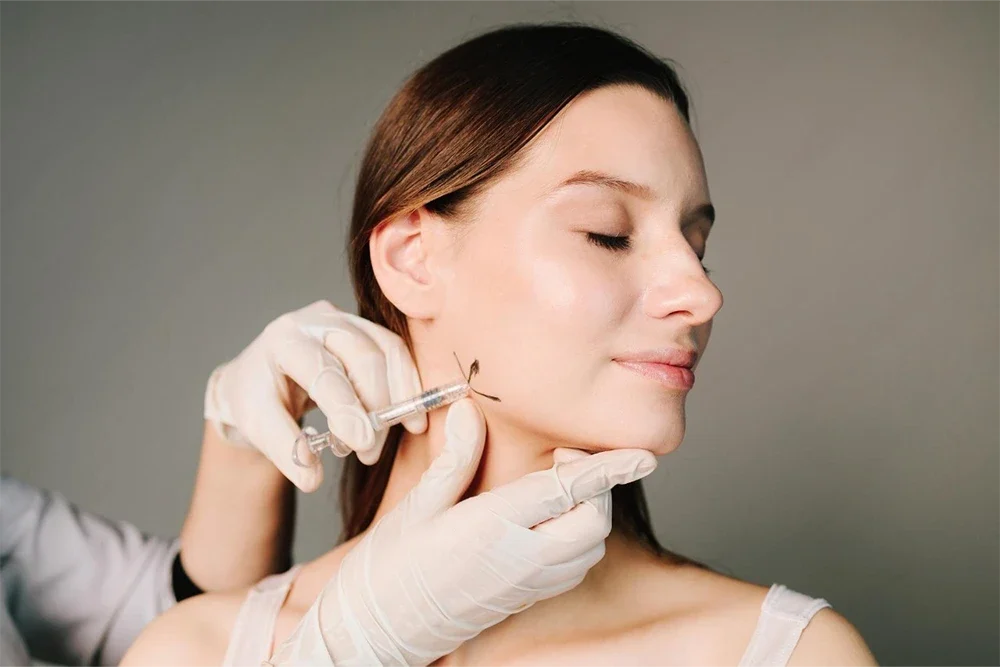
Filler application is not just filling a cavity, but reconstructing the architecture of the face and the balance of light and shadow. Therefore, the process requires an artistic vision and in-depth knowledge of anatomy as well as technical skill. Each stage determines the success of the next step.
Phase 1: Consultation and Face Analysis (Most Critical Step)
The foundation for a successful outcome is laid before the injection, not during.
Understanding Expectations
In the first step, I listen to you. It is very important for me to understand what bothers you when you look in the mirror, what kind of change you dream of. Are you saying “I want to look younger” or “I just want to get rid of that line”? I talk about whether your expectations are realistic and I tell you honestly what is possible with fillers.
Anatomical Assessment and Planning
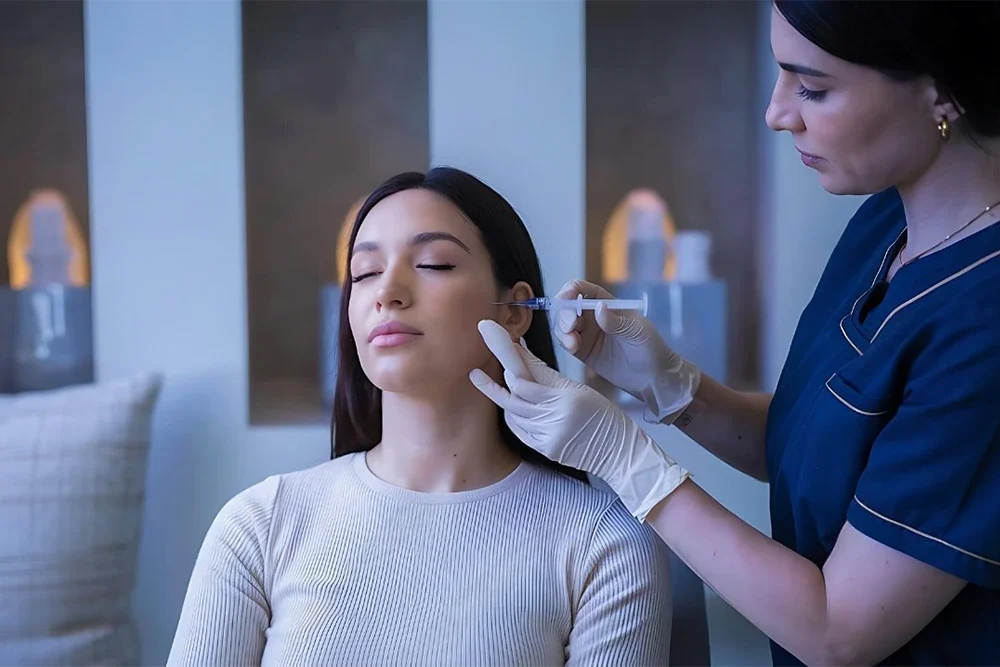
I analyze your face as a whole. Your skin quality, bone structure, asymmetries and mimicry are evaluated. Sometimes the patient comes in just to “fill my nasolabial line”, but the analysis reveals that the main problem is volume loss (sagging) in the cheeks. At this stage, it is determined which areas, which density of fillers will be used and how much product will be needed in total.
Phase 2: Preparation, Hygiene and Anesthesia
The foundation for a successful outcome is laid before the injection, not during.
Cleansing the Skin
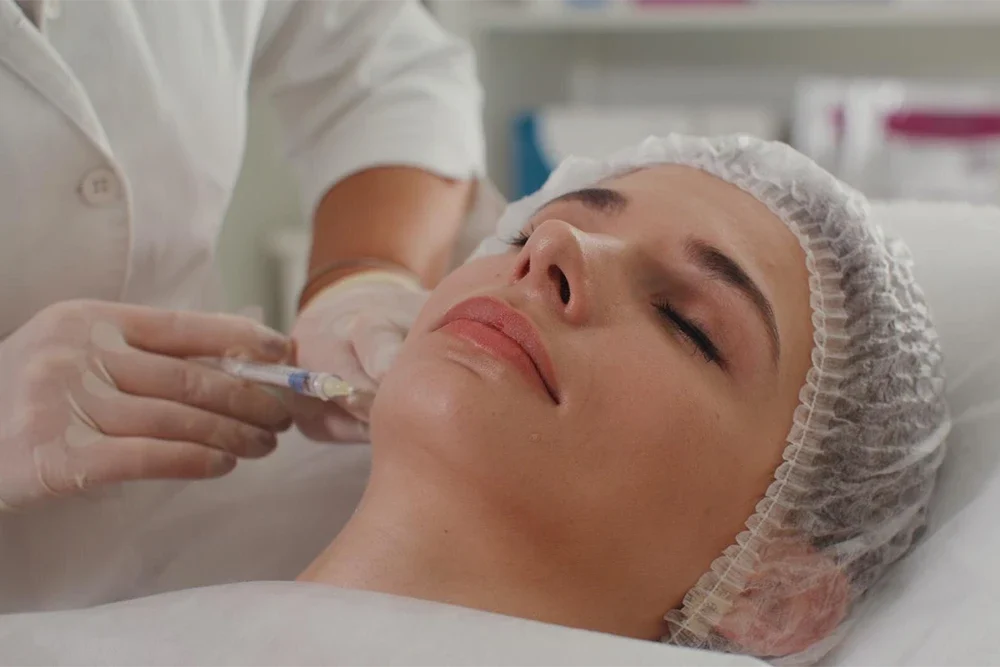
To reduce the risk of infection to zero, the area to be treated is completely cleaned of make-up, cream and dirt and disinfected with special antiseptic solutions. Hygiene is a rule we never compromise.
Anesthetic Cream Application for Comfort
Dermal fillers are usually not very painful procedures, but the comfort of our patient is our priority. 15-20 minutes before the procedure, a strong local anesthetic cream is applied to the application area. This cream prevents the needle insertion from being felt. In addition, since the fillers we use contain lidocaine (numbing agent), a numbness is provided from the inside during the procedure.
Let's Create Your Appointment Now
Leave your name and phone number and we will call you to discuss the right treatment and an appointment time.
Reach us by phone+90 532 336 52 00Stage 3: Injection and Forming
Once harmony is achieved, the real art begins.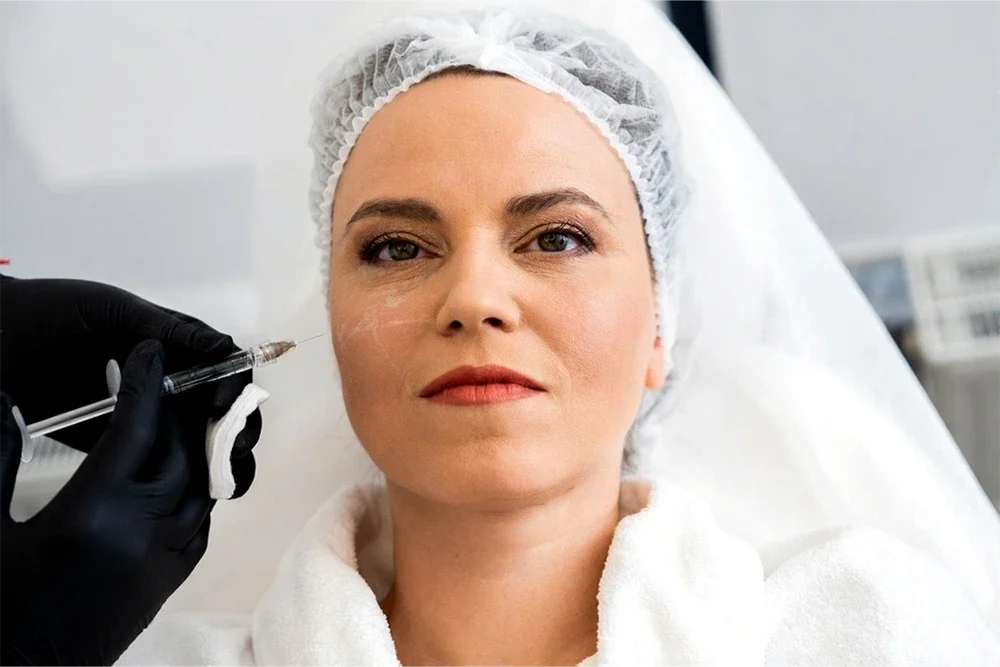
Needle or Cannula? Choosing the Right Technique
We can use two different tools depending on the area to be treated: Very fine-tipped needles or flexible cannulas with a blunt tip. We prefer the cannula technique, which minimizes the risk of bruising and is safe in sensitive areas with dense vascular structure, such as under the eyes. Fine needles can be used where a sharp line is required, such as the contour of the lips.
Artistic Touch Placement of the Filling
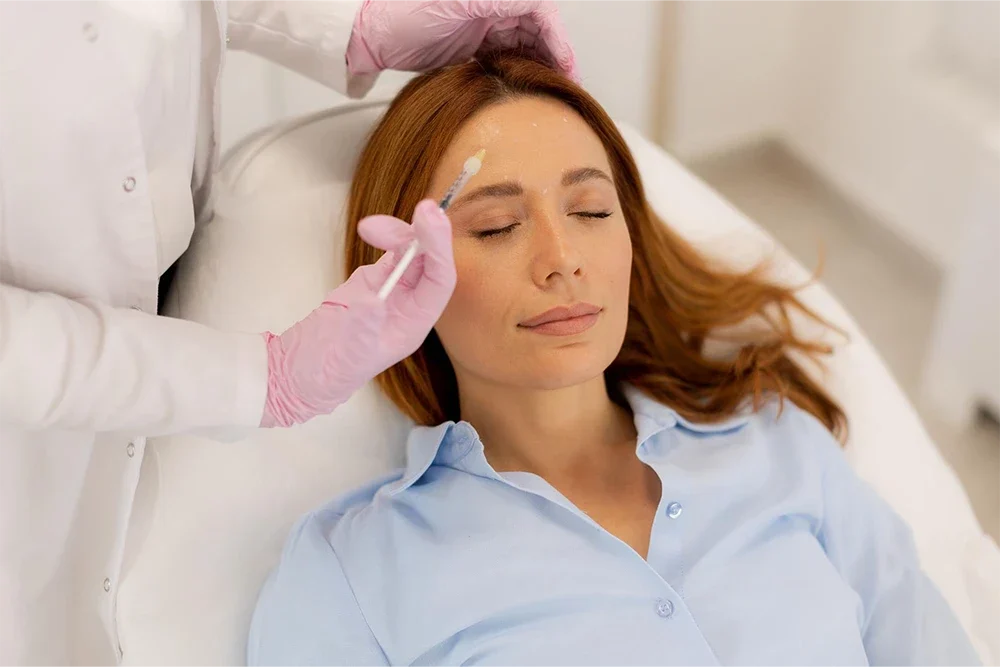
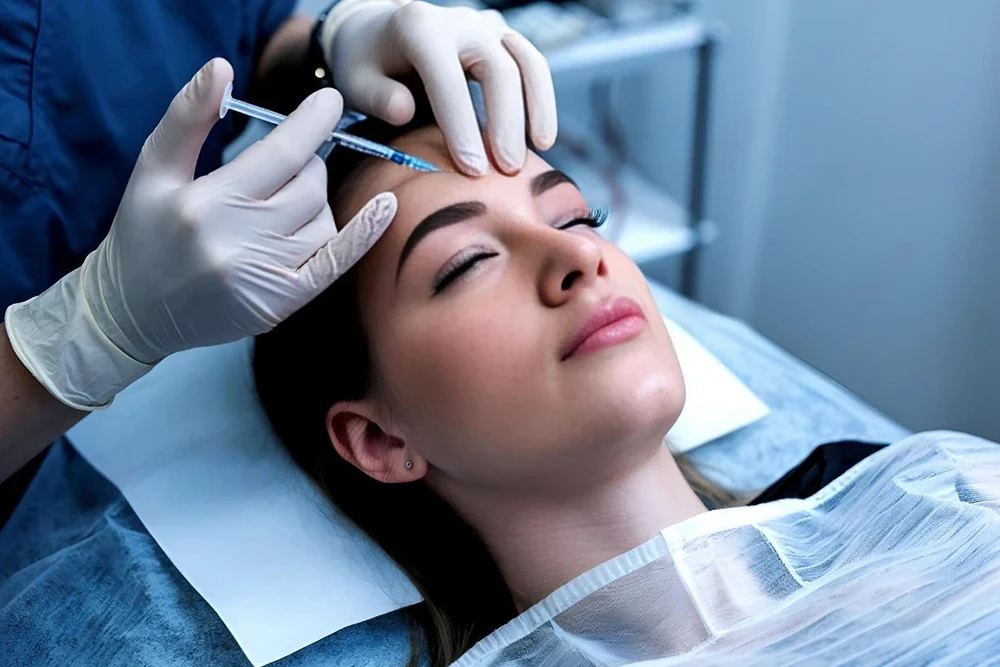
The hyaluronic acid gel is injected slowly and in a controlled manner by entering under the skin from the strategic points determined. At this stage, the physician not only leaves the filler, but also shapes it with his/her hand to ensure its integration with the tissue. The procedure takes 15 to 30 minutes depending on the width of the area.
Stage 5: Post-Procedure Information and Follow-up
When the procedure is complete, you will be handed a mirror and the result will be evaluated together. You will then be given instructions for “aftercare”, which is just as important as the procedure itself:
- Avoid touching water and make-up for the first 24 hours.
- Avoiding excessive heat (sauna, Turkish bath) and intense sports for the first 3 days.
- Drink plenty of water.
Wait 2 weeks for the filling to set completely and for the edema to disappear. At the 2nd week, we invite you to our clinic for a “control appointment”. At this appointment, the result is perfected by making small touch-ups if necessary.
About patient safety and procedure standards American Society of Plastic Surgeons (ASPS) institutions also emphasize the importance of similar stages.
Stage 4: Final Check and Massage
After the injection is finished, your physician checks the application area. If necessary, he will apply a special massage technique to make sure that the filler is distributed homogeneously. This is important to avoid clumping and to achieve a smooth result. However, only the doctor should do this massage; you should not do it yourself when you go home.
A Safe and Comfortable Experience at our Clinic in Kadikoy
Kadikoy‘At our clinic in Istanbul, we do not see fillers as a rushed procedure, but as a treatment protocol with each stage carefully planned. Our goal is not only to make you look more beautiful when you get up from the couch, but also to make you feel good and confident.
Application
Filling Application
You can have this procedure done at Dr. Melis Ülger’s office in Kadıköy Caddebostan.
Frequently Asked Questions
Why isn't a filler just a simple injection?
The process goes beyond simply filling a gap; it involves reimagining the architecture of the face and the balance of light and shadow. It requires not only technical skill but also knowledge of anatomy and an aesthetic vision.
Which is the most critical stage?
Consultation and facial analysis. As the article states, the foundation for a successful outcome is laid not during the injection, but before it.
What is examined in a facial analysis?
The face is evaluated as a whole: skin quality, bone structure, asymmetries, and facial expressions. At this stage, we determine which areas require treatment, the intensity of the treatment, and the amount of product needed.
Is the area the patient requests always the correct one?
Not always. In the example given in the article, the patient comes in saying, "I want my nasolabial folds filled," but the analysis reveals that the real problem is volume loss in the cheeks.

You may also like
-

How Long Does Bruising Last After Chin Filler?
Why does bruising happen after chin filler, and how many days does it take to fade? The day-by-day colour changes, ways to reduce it and warning signs. Write to us if you have questions. -

Does Lip Filler Hurt? Pain Management and the Process
Does lip filler hurt, and how much pain is there really? Read about numbing cream, lidocaine-containing products and cannulas, and book your appointment in Caddebostan. -
When Do Lip Fillers Settle? The Process, Day by Day
When do lip fillers settle in, and how many days does the swelling take to go away? Dr. Melis Ülger explains the daily timeline from the first 24 hours through the second week.
 Türkçe
 English