





Under Eye Mesotherapy: Goodbye to Bruises and Bags
04/07/2025

Nasolabial Filler Get Rid of Nose Edge Lines
06/07/2025- effects after dermal fillers
- filling aesthetics
- post-filling care
- skin care after fillers
- Things to consider after filling
- natural methods after filling
- healing process after filling
- complications after filling
- bruising after filling
- when bruising after filling passes
- Recommendations after filling
- Swelling after filling
- when does the swelling go away after filling
- Side effects after filling
- after having a filling
Swelling and Bruising After Filling: Is It Normal and How Does It Go Away?
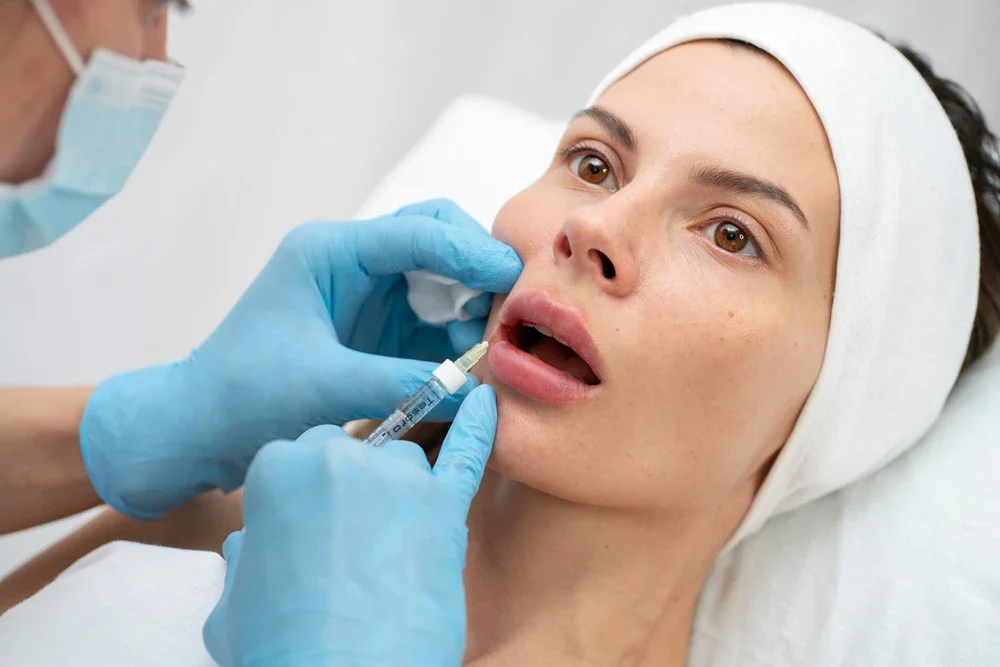
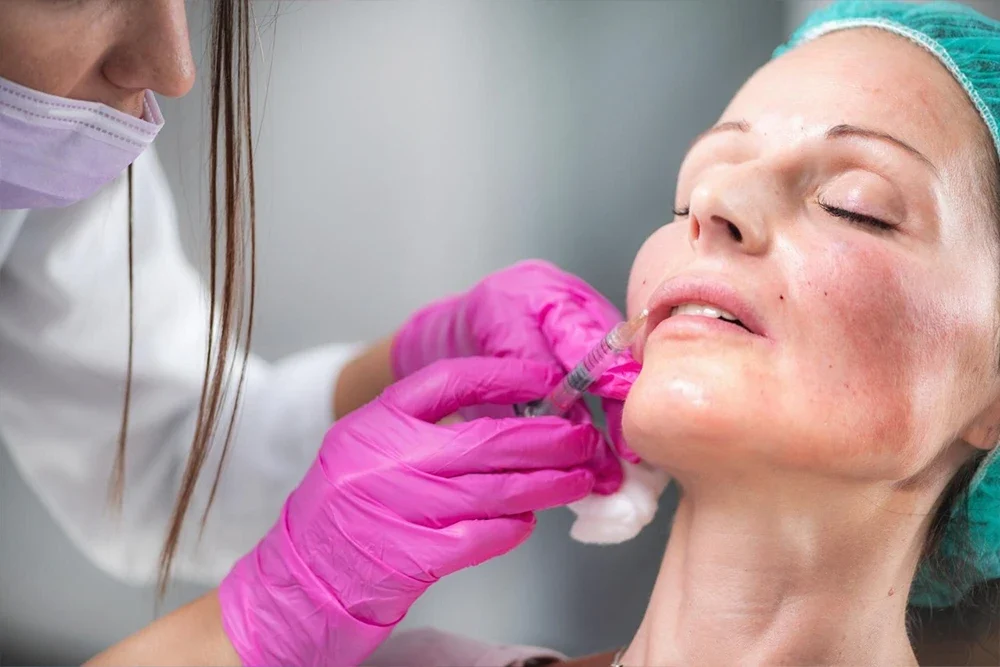
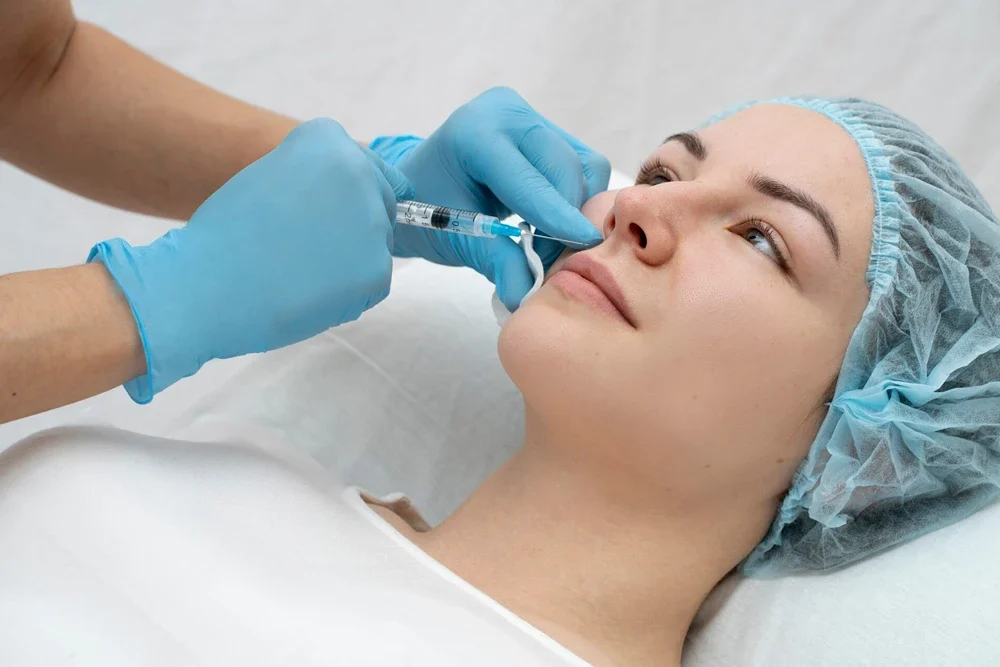
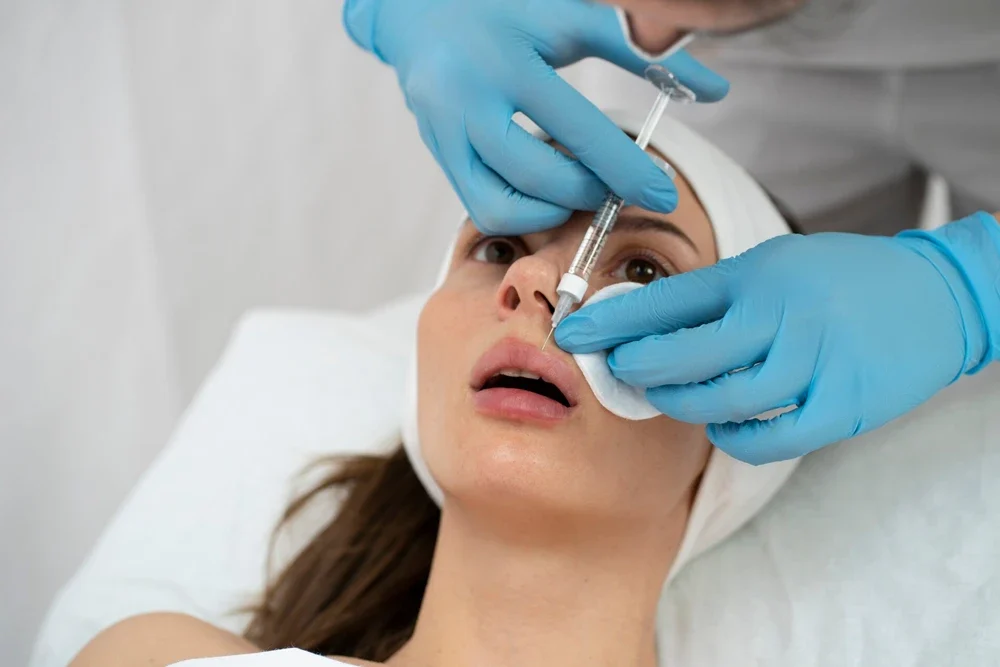
You have had your dermal filler application, you look in the mirror and you see that your face has regained the volume it lost and your lines have softened. However, this first moment of results can often be accompanied by a slight swelling and sometimes small bruises. This can be especially worrying for first-time fillers.
Swelling and Bruising After Filling: Is It Normal and How Does It Go Away?
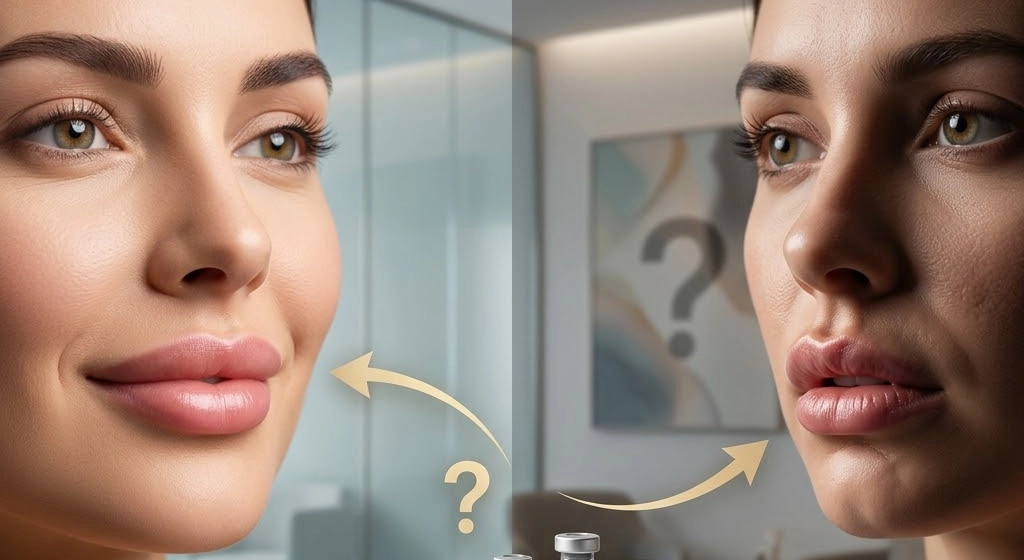
After filling, questions such as “Will this swelling go down?”, “Will my face always stay like this?”, “Did something go wrong?” may appear in your mind. As Dr. Melis Ülger, Istanbul, Kadikoy‘I would like to emphasize here the first thing I always tell my patients in my clinic in Istanbul: Relax, this is perfectly normal. This article has been prepared to guide you to understand the healing process after filling, to learn how to deal with swelling and bruising and to get through this process in the most comfortable way.
First Question Is Swelling and Bruising Normal After Filling?
The clearest and most definitive answer to this question is this: Yes, dermal fillers A certain level of swelling (edema) and bruising (ecchymosis) after the application is an expected, normal and temporary condition. It is a natural reaction of our body to an injection under the skin. Since everyone's body structure is different, this reaction may be very mild in some people, while in others it may be more pronounced. This does not mean that the procedure was done incorrectly or that there is a complication. On the contrary, it is a sign that your body's healing mechanisms are working.
Why Does It Happen? The Biological Process Behind Puffiness and Bruising
Understanding the causes of these natural reactions will help you manage the process more calmly.
Swelling (edema): There are two main causes of swelling. First, the injection itself creates minimal trauma to the skin and the body reacts by sending healing cells and fluid to this area. This is part of the inflammatory response. Secondly, and more importantly, the main feature of the hyaluronic acid-based fillers we use is to attract water. As the filler settles into the tissues in the area where it is injected, it attracts water molecules from its surroundings, causing some swelling. This is also part of the mechanism by which the filler adds moisture and fullness to the skin.
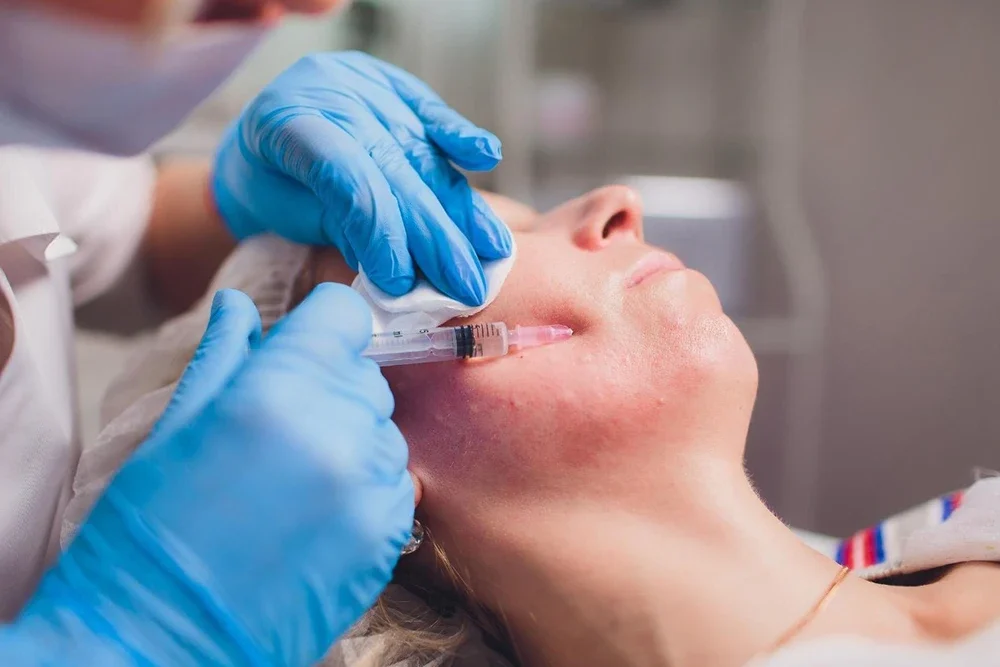
Bruise (Ecchymosis): Our face is covered with a network of thousands of fine capillaries that we cannot see. During filler application, no matter how careful you are, the tip of the fine needle or cannula used may hit one of these capillaries. A very small amount of blood leaking under the skin from this vessel causes a discoloration that we call bruising. This is not a mistake or complication, but a possible consequence of all injectable procedures.
Golden Tips to Minimize Swelling and Bruising
Although swelling and bruising are normal, it is possible to overcome this process in the lightest and shortest way possible with the measures to be taken by the physician and the simple care steps you can take.
Before Treatment: Proper Preparation
The healing process actually starts before you arrive at the clinic. Avoiding blood thinners (aspirin, ibuprofen), supplements (fish oil, vitamin E, ginseng) and alcohol for about a week before treatment significantly reduces the risk of bruising.
Immediately After Treatment: First 24-48 Hours
This is the critical time when you can influence the healing process the most.
- Cold Compress On the first day after the procedure, intermittent cold compresses (for example, 10-15 minutes every hour) with an ice pack or cold gel pack wrapped in a clean cloth or towel on the treated area is the most effective method to reduce both swelling and bruising by shrinking the veins. Be careful not to let the ice come into direct contact with your skin.
- Keeping your head up: The first night after the procedure, sleeping with your head slightly elevated with an extra pillow helps the edema to dissipate more easily with the help of gravity.
- Limiting Physical Activity: Avoid intense exercise, sports and activities that increase your blood pressure for the first 24-48 hours. Increased blood flow can increase swelling and bruising.
- Reducing Salt and Alcohol Consumption: Salt can exacerbate edema by increasing water retention in the body. Alcohol increases the risk of bruising by dilating blood vessels. Drinking plenty of water and eating a salt-poor diet during this period accelerates recovery.
Soothing Home Remedies
With your doctor's approval, you can also use some topical products that can help bruises go away faster. For example, creams containing Arnica extract are known to have a soothing effect on bruises.
Which Areas Are More Prone to Swelling and Bruising?
Some areas of the face are more susceptible to these reactions due to their anatomical structure.
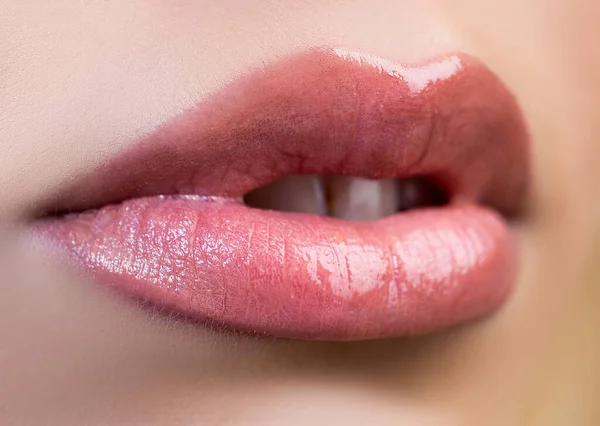
- Lips Since it has a very rich blood vessel network and is a highly mobile area, swelling after lip augmentation is the most common and most prominent condition.
- Under Eyes Since the skin in this area is very thin and sensitive, both swelling and bruising are more likely to occur.
Timeline How Long Does Swelling and Bruising Last and When Does It Go Away?
- First 24-48 hours: It is the period when the swelling is most prominent. Bruises may appear in dark color.
- 3-5. Days The swelling starts to decrease markedly. The bruises begin to change color to a greenish-yellow shade.
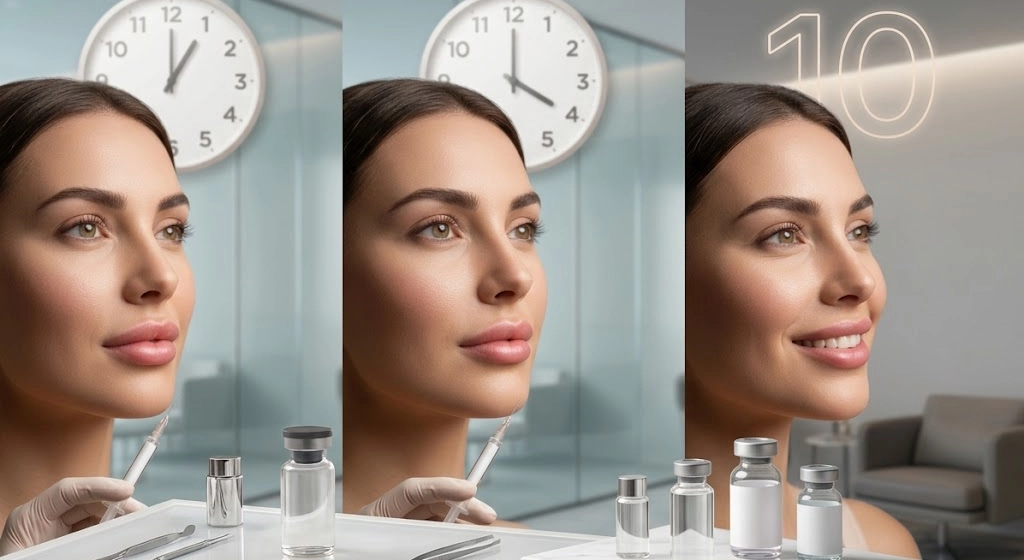
- Days 7-14: In the majority of patients, swelling and bruising almost completely disappear by the end of the 1st week. By the end of the 2nd week, the filling is completely integrated with the tissue, the edema is completely gone and the final, natural result of the treatment is revealed.
When Should You Worry and Call Your Doctor?
The above is part of the normal healing process. However, if you notice any of the following symptoms, albeit extremely rare, you should definitely call your practitioner:
- Severe and increasing pain.
- Excessive swelling or redness at the application site.
- Skin whitening, pallor or a lace-like pattern of bruising.
- Signs of infection such as fever or discharge.
Prevention of such situations shows once again that the procedure must be performed by a physician. About safety standards, Organizations such as the American Society for Dermatologic Surgery (ASDS) patient information guides also provide important information.
Write to Us
Let's Create Your Appointment Now
Our Approach for a Comfortable Recovery at our Clinic in Kadikoy
Kadikoy‘The comfort and safety of our patients is our top priority at our clinic in Istanbul, Turkey. To ensure that you have the lightest recovery, we use techniques that reduce the risk of bruising, such as cannulas during the procedure, inform you in detail about post-procedure care and make sure that everything is in order by inviting you for a follow-up appointment at the 2nd week.
Contact Now for a Holistic Approach to Your Health
As Dr. Melis Ülger Clinic, we closely follow the normal process, reliability and personalized care recommendations for effects such as swelling and bruising that may occur after filling applications. Each individual's healing process is different; therefore, we are here for you to experience the most comfortable and healthy healing process with personalized protocols.