






Lip Filler Longevity: How Long Will It Last in 2026?
27/07/2026
Forehead Botox: A 2026 Guide to Solving Forehead Lines
28/07/2026How Is Melasma Treated? Will the Dark Spots Go Away?
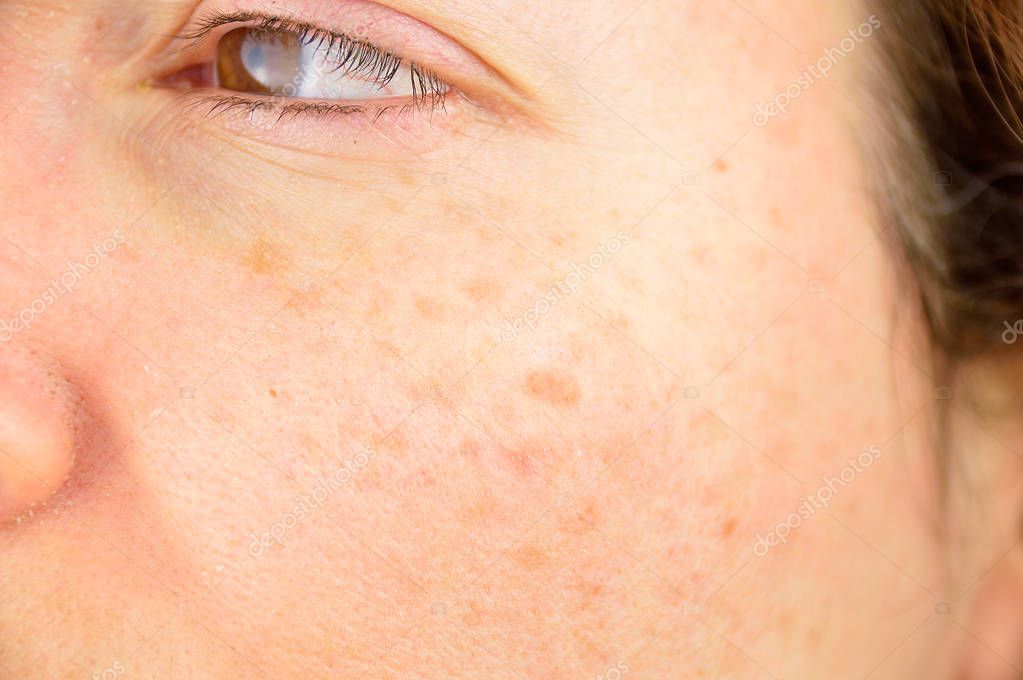
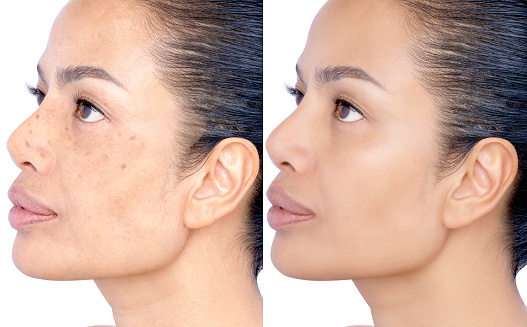
A symmetrical brown discoloration appearing on your cheekbones, forehead, or upper lip when you look in the mirror is the most common complaint among clients who come to me for melasma treatment. During the initial consultation, I often say this: this discoloration isn’t a result of neglect; it’s usually a stubborn mark caused by a combination of hormones and sun exposure. In other words, the issue isn’t limited to just the skin’s surface.
Melasma is a dark pigmented patch on the face—usually symmetrical—triggered by a combination of hormonal changes and sun exposure. In this article, we’ll discuss step by step how melasma is treated, why the “pregnancy mask” fades, and whether these stubborn patches really go away.
Let me say this up front: we can visibly lighten melasma, but no one can guarantee that it will disappear completely after a single treatment and never return. Melasma is a condition that can recur; that’s why a realistic plan is half the battle.
Highlights
- Melasma is a stubborn pigmented lesion that appears symmetrically on the face and is triggered by hormonal fluctuations and sun exposure.
- Amerikan Dermatoloji Akademisi’ne göre melazma olgularının yaklaşık %90’ı kadınlarda görülür.
- Treatment for melasma begins with sun protection; topical care and gentle laser treatments are added to this.
- Aggressive laser treatments or harsh peels can aggravate melasma and make it darker rather than lighten it.
- Even if the spot lightens noticeably, it may reappear if hormonal changes and sun exposure continue, so consistency is essential.
What Is Melasma?
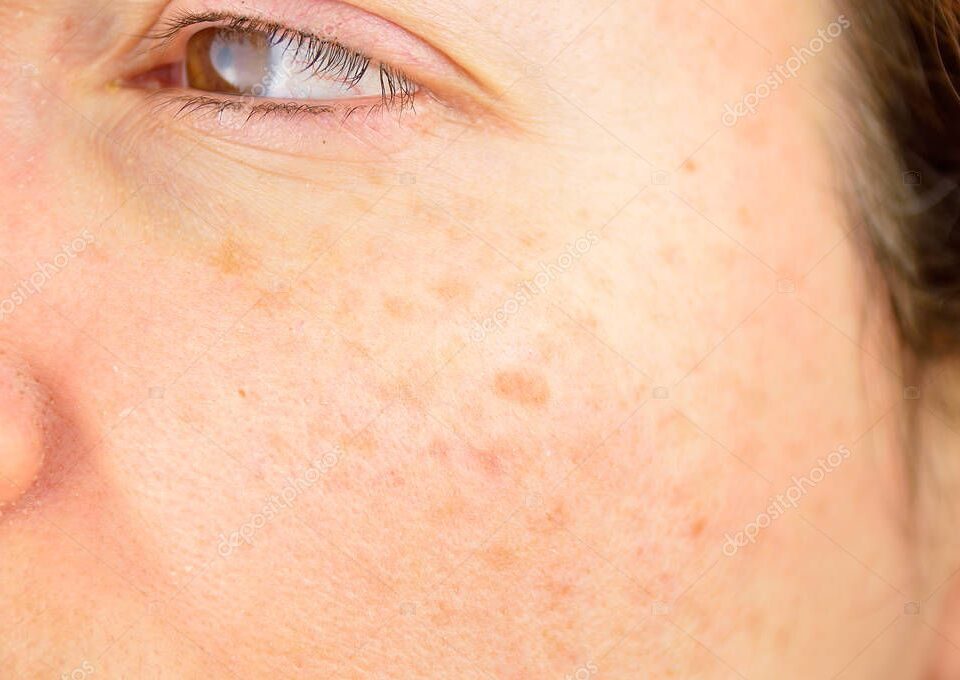
The shortest answer to the question “What is melasma?” is this: it is a flat, darkened area on the skin—ranging from brown to gray—that results from the overactivity of melanin-producing cells. It most commonly appears on the cheeks, forehead, bridge of the nose, and around the upper lip, often affecting both sides. Its borders are less distinct than those of a sunspot.
The medical term for this condition is melasma, and depending on which layer of the skin the pigment accumulates in, it can be superficial, deep, or mixed. Deeply embedded pigment is the most treatment-resistant type. For this reason, two spots with the same name can actually behave very differently.
Melasma is not a dangerous condition; it does not cause pain or itching. The discomfort is primarily cosmetic, and its persistent nature can take a toll on a person’s morale. The good news is that with the right approach, it can be managed.
What Causes Melasma?
If you ask what causes melasma, there are almost always two triggers at the heart of the answer: hormones and the sun. Fluctuations in estrogen and progesterone make pigment cells overly sensitive to sunlight. When ultraviolet light hits the skin, it produces an excess of melanin in certain areas.
For this reason, melasma is most commonly seen in women of childbearing age. Pregnancy, birth control pills, and hormone therapies are the most well-known triggers. According to the American Academy of Dermatology (American Academy of Dermatology) göre melazma olgularının yaklaşık %90’ı kadınlarda görülür.
Heat and visible light also contribute to the condition. It’s not just the summer sun—even long hours spent by the fireplace or exposure to screen light can trigger the pigment. Genetic predisposition and a dark skin type determine how susceptible a person is to melasma.
What Is the Pregnancy Mask, and Why Does It Appear?
The "pregnancy mask" is the colloquial term for melasma, which is triggered by increased hormone levels during pregnancy. Like the line that appears on the abdomen, this brown discoloration on the face is one of the pigment changes that accompany pregnancy. It typically appears as a symmetrical “mask” on the forehead, cheeks, and upper lip.
Estrogen and progesterone levels rise during pregnancy, which stimulates pigment cells. This condition becomes more pronounced in pregnancies that occur during the summer, as sun exposure exacerbates this sensitivity. After childbirth, as hormone levels return to normal, the “pregnancy mask” fades on its own in some people.
Still, it doesn’t always go away completely. Since hormones continue to fluctuate during breastfeeding, we often start active treatment after this period ends. The most important thing you can do during pregnancy is to prevent the spot from darkening further by using strong sun protection.
Are Melasma and Sunspots the Same Thing?
No, although they are often confused, melasma and sunspots are two distinct conditions, and their treatments therefore differ. Sunspots are superficial lentigines that form as a result of years of accumulated ultraviolet exposure; they appear individually and have sharply defined borders. They are associated with age and sun damage and have no direct link to hormones.
Melasma, on the other hand, is a hormone-induced, broad-based, poorly defined patch that affects both sides of the face. Its most notable characteristics are its stubbornness and tendency to recur. Some treatments that are effective for sunspots can actually have the opposite effect on melasma, causing the patches to darken.
Understanding this distinction sets the right foundation for treatment selection from the start. The approach followed for superficial and age-related spots sunspot treatment I explained each step separately in my article. With melasma, however, we take each step more cautiously and gently.
Contact us
Create Your Appointment
Why Is Melasma So Stubborn and Recurrent?
The most challenging aspect of melasma is that its trigger doesn’t simply come and go. Since hormones and sun exposure are constant factors in daily life, the source of the condition doesn’t disappear even if you lighten the spots. For this reason, it’s more accurate to think of melasma not as a one-time event, but as a manageable process.
Deeply embedded pigment does not break down easily when exposed to light, and it takes a long time for the skin to eliminate it. When a person spends a little time in the sun or when hormone levels fluctuate again, the pigment returns to its original pattern. It is this cycle that makes treating stubborn spots a matter of patience.
The key to reducing recurrence is to minimize triggers. Regular sun protection, avoiding heat, and maintenance care tailored in consultation with your doctor help preserve the clearance achieved. There is always a risk that the lesion will return if you stop treatment.
How Is Melasma Treatment Planned?
Melasma treatment is not just a single device or a single cream; it is a multi-step plan. The first step is always sun and heat protection; without it, no treatment will yield lasting results. According to the American Academy of Dermatology, a broad-spectrum sunscreen with an SPF of 30 or higher is the fundamental first step in melasma treatment.
The second step is topical care. Active ingredients that regulate melanin production gently brighten the skin’s tone without irritating it. At this stage, I avoid harsh or aggressive products, because irritated skin only serves to exacerbate melasma.
The third layer consists of clinical treatments added as needed. The key here is gentleness: we opt for low-energy, controlled treatments that do not strain the skin. For suitable candidates, we incorporate a gentle thulium-based laser, a gentle chemical peel, or supportive care into the treatment plan.
Methods for Treating Stubborn Stains: What Happens at the Clinic?
I select the methods I use at the clinic to treat stubborn spots based on skin type and the depth of the pigmentation. The goal is not to forcefully remove the pigment, but to gently restore balance to the skin without causing irritation. Let me explain the three approaches I use most frequently.
The first is the Thulium-based Baby Face laser, which is applied using gentle settings. This technology targets pigment in the upper layer of the skin without exfoliating it and evens out skin tone over the course of the sessions. How it works baby face In my article, the details of the treatment for blemishes and uneven skin tone are Baby Face Laser You can find it in his article.
The second method is a low-intensity, controlled chemical peel. The appropriate acid mixture gently accelerates the shedding of pigment-laden surface cells. For melasma, we keep the peels mild and intermittent; for darker skin tones, we proceed with extra caution.
The third component consists of topical active ingredients that regulate pigmentation and skincare products that strengthen the skin barrier. This step bridges the gaps between clinical sessions and inhibits new pigment production. Melasma responds best when all three layers work together.
Method Comparison Table
The table below summarizes how the approaches I most frequently use for melasma work, their role in treating melasma, and key points to keep in mind. The treatment plan that’s right for you is always determined after an in-person skin analysis.
| Method | How to Approach It | Its Role in Melasma | Point to Note |
|---|---|---|---|
| Sun and Heat Protection | Reduces UV exposure and heat | The foundation of every plan | It's needed every day, all year round |
| Topical Active Ingredients | Gently regulates pigment production | First-line treatment | It takes patience; be careful not to irritate the skin |
| Baby Face (Thulium Laser) | Targets pigment without peeling the skin | Support for a suitable candidate | Low energy, skilled hands |
| Controlled Chemical Peel | It sheds the upper pigment cells | Superficial-type auxiliary | Risk of darkening in people with dark skin |
Why Can Aggressive Processing Reduce Molasses Yield?
The most frustrating aspect of melasma is that aggressive treatments often make it worse. High-energy lasers, harsh peels, or irritating products can trigger the skin’s defense mechanisms and cause pigment cells to become even more active. As a result, while you hope to lighten the spots, you end up with the exact opposite effect.
We refer to this condition as “post-treatment hyperpigmentation.” The risk is particularly higher in people with darker skin tones and in cases of deep melasma. Therefore, applying the same strong treatment used for other types of pigmentation directly to melasma is a common and costly mistake.
The right approach is to start with the mildest treatment and proceed based on the skin’s response. Most clients who try aggressive treatment regimens they’ve found online on their own come to me with even darker spots. Taking it slow with melasma is actually the fastest way to treat it.
Home Care, Continuity, and Realistic Expectations
What truly ensures the long-term success of clinical treatment is your daily at-home routine. Applying broad-spectrum sunscreen in the morning, reapplying it throughout the day, and seeking shade with a hat when necessary are non-negotiable when it comes to melasma. If you don’t protect the treated area, the pigment will return to the same spot.
It’s important to use pigment-regulating active ingredients in your evening routine according to your doctor’s instructions. Too much can cause irritation, and irritation leads to melasma; therefore, a little goes a long way, but too much can be harmful. It usually takes weeks to see a noticeable difference, so expecting results in just a few days will lead to disappointment.
Dealing with melasma can be exhausting at times, but with the right plan and patience, it’s possible to significantly even out your skin tone. Since every skin type and hormonal history is different, Dr. Melis Ülger tailors the plan to each individual based on an in-person evaluation. If you’d like to discuss whether this is right for you, baby face ultra Check out my services page and Communication You can schedule an appointment on their website.
Last updated: July 28, 2026
This content has been reviewed by Dr. Melis Ülger, a medical aesthetics specialist. Dr. Melis Ülger is a medical aesthetics specialist who develops personalized treatment plans for melasma and pigmented lesions at her practice in Caddebostan.
Frequently Asked Questions
Does melasma go away completely?
Melasma can be significantly lightened, but no method can guarantee its complete and permanent removal. As long as hormonal factors and sun exposure persist, pigmentation may recur in the same area. Therefore, maintaining the results depends not only on the treatment itself but also on ongoing care and sun protection afterward.
Does the "pregnancy mask" disappear after childbirth?
In some people, the "pregnancy mask" fades on its own once hormone levels stabilize. It does not disappear completely in everyone and may persist during breastfeeding. We generally begin active treatment after this period ends; until then, sun protection is the most important step.
How many sessions does melasma treatment take?
The number of sessions varies depending on the depth of the pigmentation and skin type. While superficial melasma responds more quickly, deeper pigmentation requires a longer treatment plan. The exact duration will be determined after an in-person skin analysis.
Is laser treatment safe for melasma?
Laser treatment for melasma is effective only when performed by an experienced practitioner using low-energy, controlled settings. High-energy, aggressive treatments can cause the spots to darken. For this reason, I do not recommend laser treatment without first evaluating your skin type.
How can you tell the difference between melasma and sunspots?
Melasma is typically a broad, poorly defined, symmetrical patch associated with hormonal changes. A sunspot, on the other hand, is an isolated, sharply defined, age-related superficial mark. Making the correct distinction determines the choice of treatment from the outset.
Can melasma be treated at home with a cream?
The right topical active ingredients and sun protection can help lighten melasma, but at-home care alone is often not enough. Using the wrong products or harsh products can make the dark spots darker. The safest approach is to use these products under a doctor’s supervision and as part of a clinical treatment plan.

Appointment & Contact
Contact our clinic for reliable and personalized planning in medical aesthetic applications.
Write to Us
Let's Create Your Appointment Now
Related Articles
 English