








IV Therapy Solutions for Chronic Fatigue: Restore Your Energy
30/10/2025
What to Consider When Getting a Hydrafacial? A Safe and Effective Treatment Guide
04/11/2025Highlights
- Acne "scars" and "marks" are different conditions and require different treatments.
- Hydrafacial is particularly effective for treating superficial blemishes and managing active acne.
- Combined approaches are required for depressed (atrophic) scars.
- The article explains that the process requires patience and that expectations need to be managed.

Frequently Asked Questions
What is the difference between an acne scar and an acne mark?
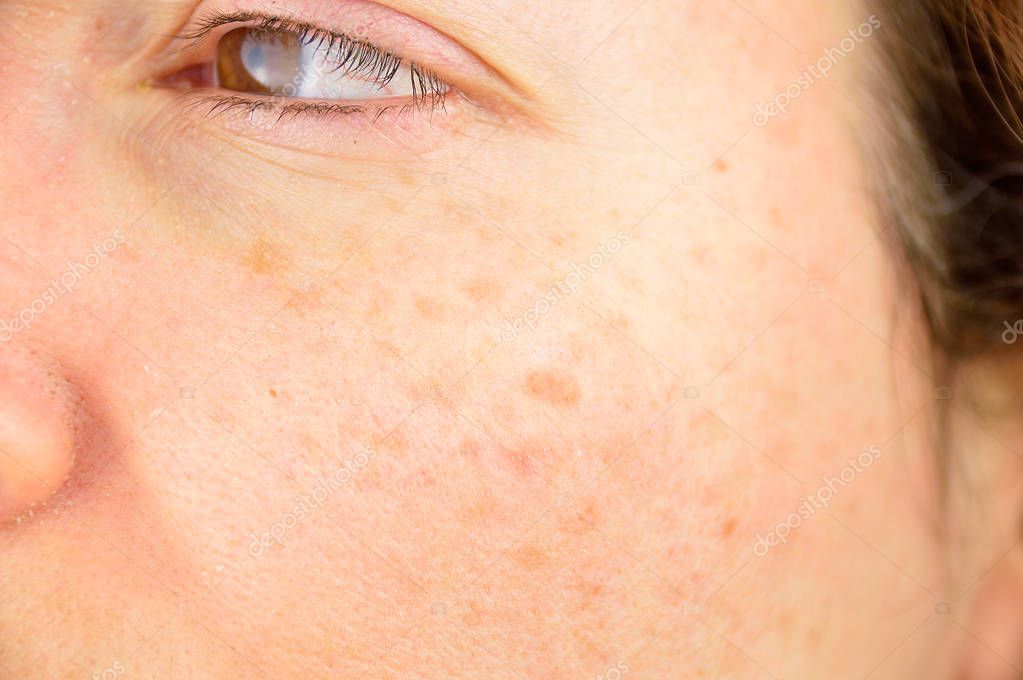
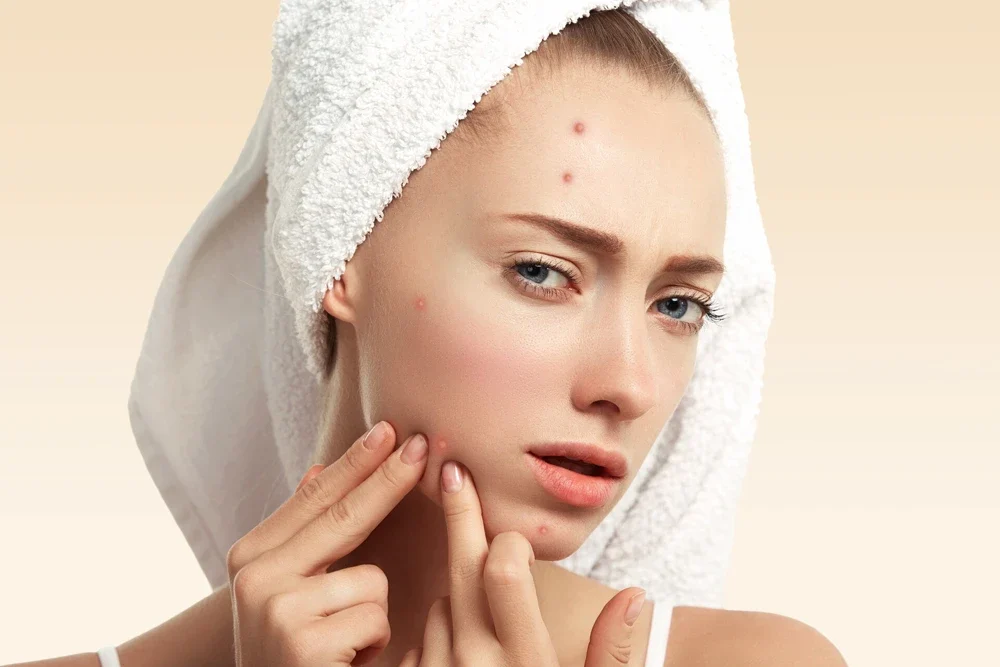
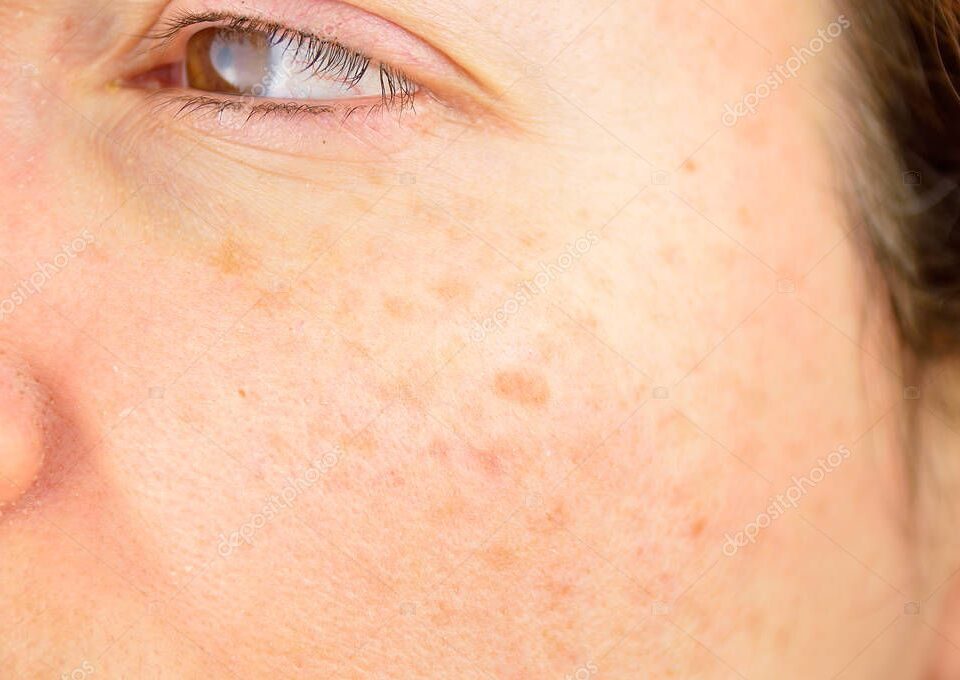
A blemish is simply a change in skin color without any loss of tissue; the red variety is called PIE, and the brown variety is called PIH. A scar, on the other hand, is a structural depression caused by damage to the collagen tissue in the underlying layer. The two require different treatments.
What are the types of depressed acne scars?
Three main types are identified: the narrow and deep “icepick” scar; the “boxcar” scar, which has sharp edges and is wider; and “rolling” scars, which are wavy and caused by the pulling of fibrotic bands beneath the skin. The treatment plan varies depending on the type of scar.
Where do you start when treating acne scars?
The first rule is to prevent new scars from forming; this begins with bringing active acne under control. Hydrafacial plays a supportive role in this stage by cleansing the pores using vortex technology and solutions containing salicylic acid.
Is a single method enough?
Generally, no. When dark spots and acne scars occur together, combination treatments yield more successful results. Which methods to combine depends on the type of scar and skin type.
How long does it take to see results?
Acne scar treatment is a process that requires patience. Results do not appear after a single session but emerge gradually over the course of multiple sessions as the skin’s repair response develops.
 English