











Teeth clenching and grinding at night manifest as jaw pain, headaches, and tooth wear in the morning. Masseter Botox is a non-surgical medical procedure that targets the chewing muscle, which is the source of this cycle.
Masseter Botox, is a medical procedure that aims to reduce symptoms of teeth clenching (bruxism) and teeth grinding by administering botulinum toxin to the masseter muscle, one of the chewing muscles.
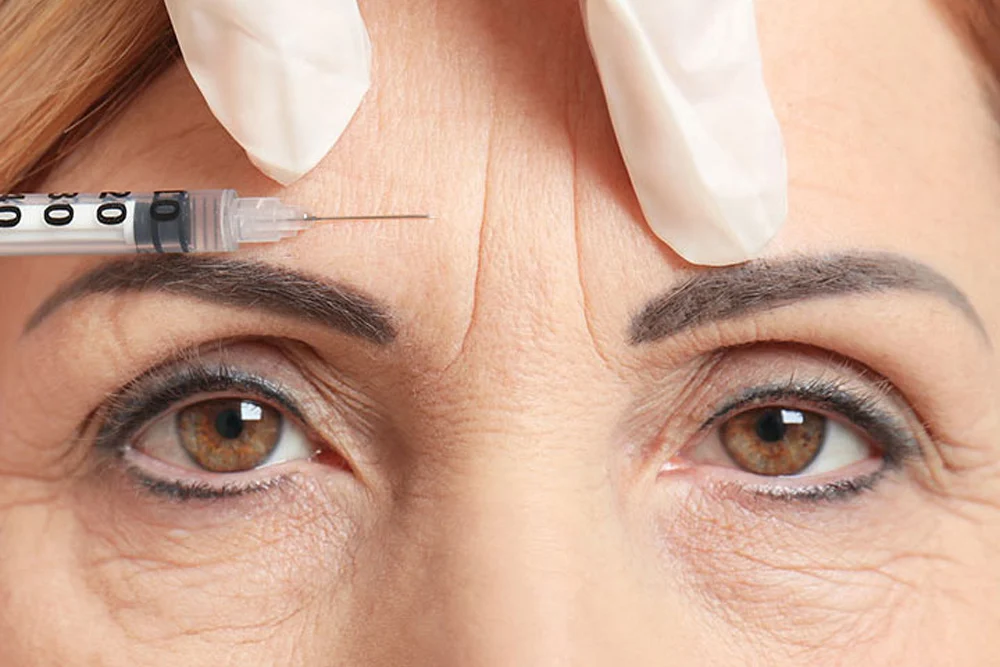
What Is Masseter Botox, and How Does It Work?
The masseter is a powerful muscle located on either side of the jaw that is responsible for chewing. In people who clench their teeth, this muscle works excessively; over time, it enlarges (hypertrophy), which can lead to pain in the jaw joint and a square-shaped appearance in the lower part of the face.
Botulinum toxin temporarily reduces the contractile strength of the masseter muscle. While chewing function is preserved, the intensity of the involuntary clenching reflex decreases; the goal is to provide relief from associated pain and tension.
As the muscle shrinks, the lower face may also become slimmer over time (developing a V-shape); this effect is also a consideration for those who opt for the treatment for aesthetic reasons. For the general mechanism of action of Botox, our Botox page You can review it.

In Which Cases Is Masseter Botox Considered?
Teeth Clenching and Grinding
Reducing the intensity of the involuntary clenching reflex.
Jaw Pain
Relief of pain and tension around the jaw joint.
Morning Headaches
Management of tension-type headaches caused by nighttime clenching.
Tooth Wear
Helps reduce tooth and filling damage caused by clenching.
Muscle Growth
Reducing the volume of the overworked masseter muscle.
Lower Face Slimming
Supporting the development of a V-shape over time in a square-shaped face.
Who Is It For?
The application is evaluated in the following cases
- Patients with complaints of teeth clenching or grinding who have been evaluated by a dentist or dentist
- People who experience jaw pain and morning stiffness
- Those with noticeable enlargement of the masseter muscle
- People who are bothered by the lower half not being squared
It does not apply or is postponed in the following situations
- Pregnancy and Breastfeeding
- Known allergy to botulinum toxin
- Active infection in the treatment area
- Some neuromuscular disorders — are assessed during a physical examination
How Does the Application Process Work?
Examination
The strength and volume of the masseter muscle are assessed; the source of the complaint is investigated.
Dose Planning
The dosage is determined for both parties based on muscle strength and the target.
Application
Injections are administered into specific points in the muscle; the procedure takes about 10–15 minutes.
Control
A follow-up visit is scheduled during weeks 2–4, if necessary; the dosage is adjusted as needed.
When Does It Take Effect, and How Long Does It Last?
A decrease in the intensity of the squeeze begins to be felt during this interval.
The reduction in muscle mass (aesthetic effect) gradually becomes noticeable during this period.
Average duration of effect; for regular applications, the intervals are determined by the physician.
Frequently Asked Questions About Masseter Botox
Does Botox in the masseter muscle really help with teeth grinding?
The treatment aims to reduce the severity of symptoms by decreasing the contraction strength of the muscle responsible for clenching. Results vary from person to person; it can also be combined with other methods, such as a night guard recommended by a dentist.
Does Botox in the masseter muscle make the face look slimmer?
As overworked muscles atrophy, thinning may be observed in the lower face over time; this effect typically becomes noticeable within 4 to 8 weeks. When planning for facial slimming, facial proportions are evaluated during the consultation.
Does chewing become more difficult?
In the early days, you may experience mild fatigue when eating very hard foods; this sensation is temporary and does not affect your daily diet. The dosage is planned to preserve chewing function.
How many units are administered?
The dosage is determined on an individual basis, depending on muscle strength, muscle mass, and the severity of the symptoms. Instead of using a standard dosage, the treatment plan is based on the findings of the examination and adjusted as needed during follow-up visits.
How long does the effect last?
On average, 4–6 months. With regular treatment, the intervals may lengthen due to muscle weakness; the doctor determines the schedule.
Can it be done during the same session as facial Botox?
Yes; the masseter exercise, Botox between the eyebrows It can be scheduled during the same session as treatments for facial expression areas. The total dose and treatment areas are determined during the consultation.

This content was prepared by Dr. Melis Ülger, who works in the field of medical aesthetics, and has been reviewed for medical accuracy. Get information about the doctor.


 English