







Golden Needle Reviews: Real Experiences in 2026
26/08/2026
How to Get Rid of Skin Stains: 5 Methods and a 2026 Guide
27/08/2026What Are the Symptoms of a Lip Filler Infection?
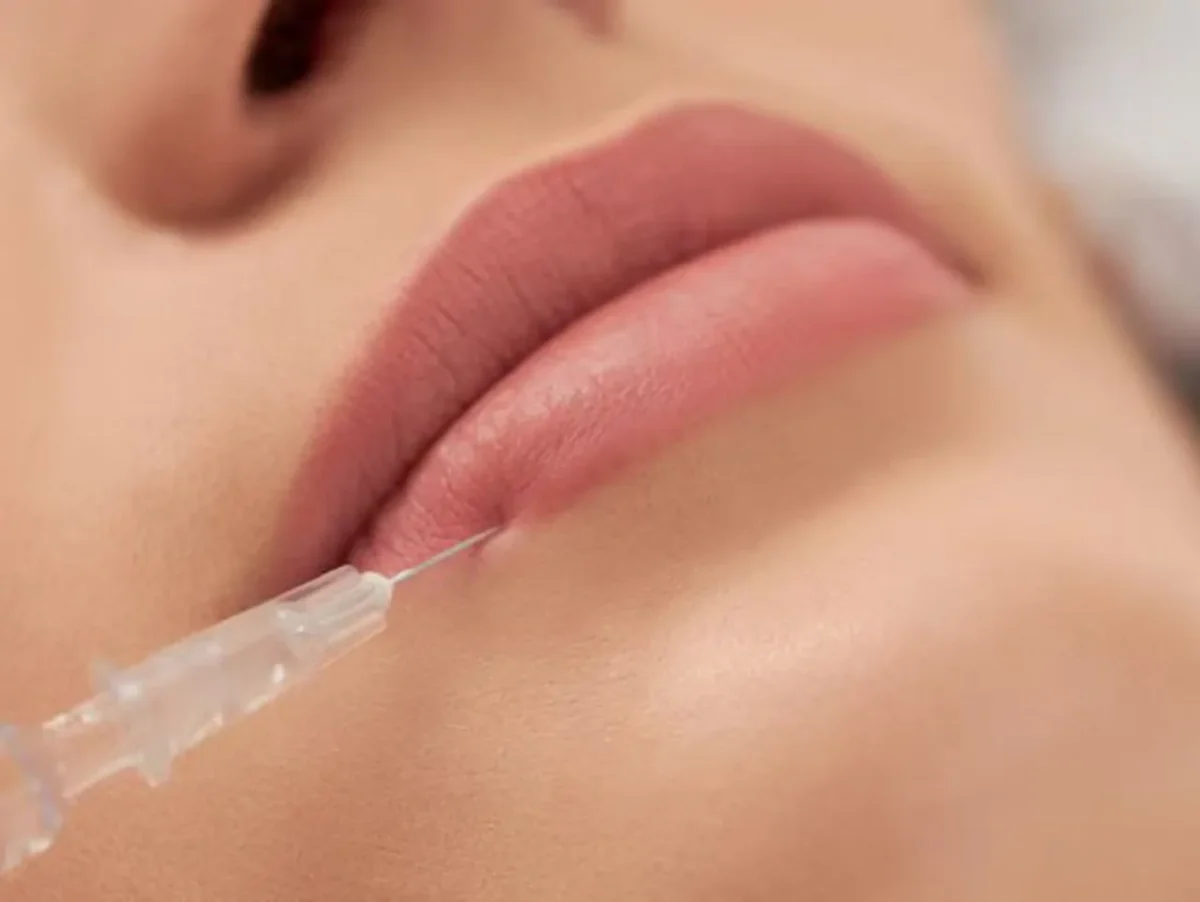
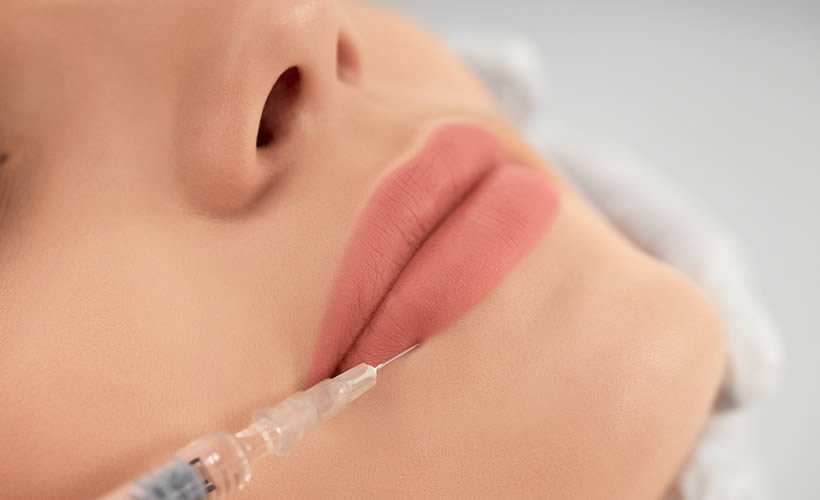
It’s normal to experience swelling in the first few days after lip fillers; however, if the swelling doesn’t subside but instead becomes red and warm, the first thing that comes to mind is an infection. Lip Filler Infection, ...it is caused by bacteria entering through the microchannel created by the needle or by a dormant virus causing inflammation in the lip tissue; it is rare but requires early diagnosis. The good news is that when the procedure is performed under the right conditions, this risk is quite low, and when it does occur, the majority of cases resolve with treatment.
In this article, I’ll explain step by step—without scaring you—how an infection is diagnosed, why it develops, and what to do about it. The general process of the filling Lip Filler Guide I have summarized this in my article; as for all the possible risks of the process, Risks of Lip Fillers You can find it in the article. Here, the focus is solely on the infection.
Highlights
- Cases of actual lip filler infections are rare; in dermatology reviews, the rate is most often reported as less than %1.
- Increased redness, warmth upon touch, throbbing pain, yellow-green discharge, and fever are the main warning signs.
- Early infection usually occurs within the first 2 weeks, while biofilm-associated late infection can develop even 2–3 months later.
- In people with a history of cold sores, the injection can trigger the dormant herpes virus; in this group, preventive treatment is planned in advance.
- If you suspect an infection, the right thing to do is to see a doctor rather than wait for it to go away on its own.
What Causes Lip Filler Infections?
An infection following lip filler treatment usually begins when bacteria from the skin’s surface enter the body through the small channel created by the needle. The area around the mouth is one of the body’s most bacteria-rich regions; therefore, the lips are a particularly susceptible area for injection-related infections. However, the solution contains bacteria that are naturally present on the skin, hyaluronic acid For the fillers used, the infection rate is generally reported to be below %1 in published dermatology reviews.
There are three main factors that increase the risk. The first is unsanitary application conditions and unregulated, unlicensed products. The second is touching the lips with dirty hands in the first few hours after the procedure, applying makeup too soon, or entering environments such as pools or saunas. The third is the presence of an illness or medication that suppresses the immune system.
Signs of a Filling Infection: 7 Warning Signs
Symptoms of an infection in a dermal filler are usually distinguishable from those of normal healing: while the normal healing process improves, an infection worsens. You can compare the following table with your own situation.
- A swelling that is getting larger instead of subsiding and is concentrated on one side
- Redness that becomes more pronounced and spreads beyond the lip
- A noticeable increase in temperature when touched
- Pain that is disproportionate to the procedure and persists with a throbbing sensation
- Yellowish or greenish discharge and a foul odor
- A hardened swelling in the area that is painful when pressed
- Fatigue and a fever of 38°C or higher
One or more of these signs may appear at the same time. In particular, the presence of a fever suggests that the infection has spread beyond the local area and become systemic, and requires immediate evaluation.
Is It Inflammation or Just Normal Swelling After Lip Filler?
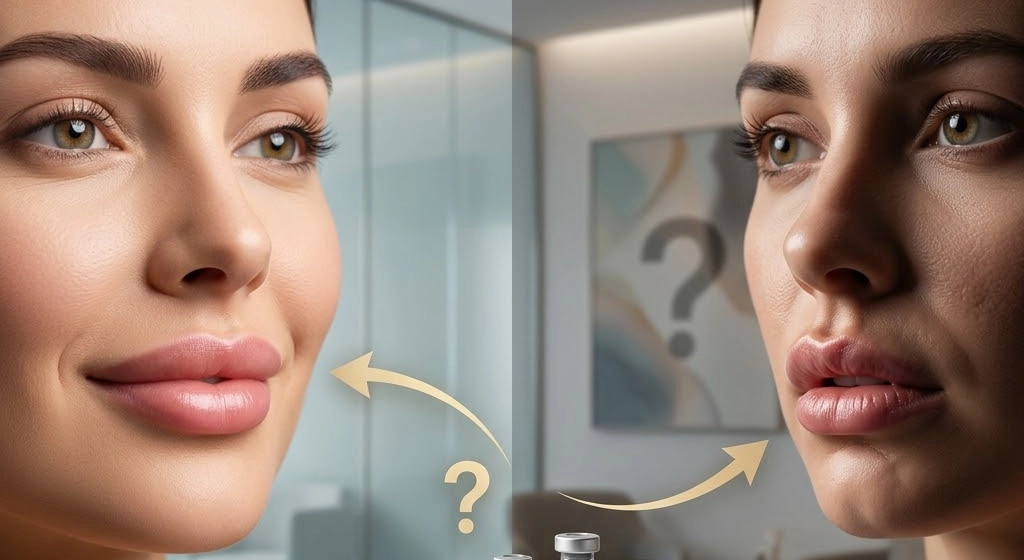
During the first two days, you can expect symmetrical swelling, slight bruising, and tightness on both lips; this is normal and will gradually subside. Inflammation from lip fillers In this scenario, however, symptoms increase rather than decrease after the third day, typically concentrate in a single area, and are accompanied by symptoms such as fever and discharge. A rough but useful rule of thumb: if the condition improves, it’s normal; if it worsens, it’s a cause for concern.
Another distinguishing feature is timing. Normal swelling is at its peak on the night of the procedure and then subsides each day. Inflammation, on the other hand, usually appears after a few days of being dormant; in other words, the “it went away, then swelled up again” scenario is more of a warning sign than a harmless occurrence.
The Difference Between Early and Late Infection
Infections are classified into two groups based on when they occur, and their treatments differ accordingly. According to case series in the medical literature, while most early infections begin within the first two weeks, some late-onset cases may appear even 2–3 months later.
| Feature | Early Infection | Late-Onset Infection |
|---|---|---|
| Its origins | The first few days to 2 weeks | Weeks, sometimes 2–3 months later |
| Reason | Bacteria that enter during the process | Generally caused by biofilms |
| Journey | The symptoms become apparent very quickly | It starts insidiously, then flares up when triggered |
| Treatment | Mostly antibiotics | Enzymatic lysis, drainage if necessary |
This distinction is important because it directly determines the treatment. The early stage is generally easier to manage; in the late stage, however, the filling itself contributes to the problem, so the approach changes.
Contact us
Create Your Appointment
What Is a Biofilm, and Why Is It Dangerous?
A biofilm is a hidden colony structure in which bacteria attach to the surface of the filling gel and form a protective layer over themselves. Because this layer shields the bacteria from both the immune system and antibiotics, treating late-stage infections is often more difficult. The colony can remain dormant for months.
The problem usually flares up due to a trigger. A new cosmetic procedure, an untreated tooth infection, or a severe case of the flu can reawaken the dormant biofilm. That’s why antibiotics alone aren’t enough for infections caused by dental fillings; in many cases, the gel must also be removed from the area.
Cold Sore (Herpes) Reactivation and Fillers
Some lip infections are actually viral, not bacterial. The minor trauma caused by a needle on a lip that has previously had a cold sore can reactivate the herpes virus lying dormant in the nerve root. The result is painful, fluid-filled blisters that appear a few days after the procedure.
This condition should not be confused with a bacterial infection, as the treatment is entirely different. That is why I ask about your cold sore history during the consultation. In patients with recurrent cold sores, prophylactic antiviral treatment started one day before the procedure significantly reduces the likelihood of a viral flare-up.
How Is a Post-Filling Infection Treated?
Treatment for post-filler infection is tailored to the type and severity of the condition. In cases of early bacterial infection, an appropriate course of antibiotics often resolves the issue. In more stubborn cases, such as those involving a biofilm or an abscess, the filling is dissolved using the hyaluronidase enzyme, and the pus is drained if necessary.
My most important warning here is this: do not try to treat the infection at home with antibiotics on your own. The wrong medication can strengthen the biofilm and make the condition even more insidious. Additionally, no new filling material is added to the area until the inflammation has completely cleared up; we wait for the lip to heal first.
What Should You Do If an Abscess Forms After Lip Filler?
An abscess is a swollen, warm, and extremely painful pocket formed when pus accumulates at a specific site due to an infection. Lip Filler Abscess Waiting for it to burst on its own or trying to squeeze it at home is the most dangerous approach; this action spreads the infection to the surrounding tissue. The right course of action is to see a doctor the same day.
At the clinic, the abscess is drained in a controlled manner, a culture is taken from the contents, and antibiotic therapy targeting the causative agent is initiated. If there is a filling material in the area, it is usually removed, as the gel may continue to serve as a breeding ground for infection. Early intervention also significantly reduces the likelihood of permanent scarring.
Why Is a Sterile Clinic the Best Antidote to Infection?
The best way to treat an infection is to prevent it from occurring in the first place. Single-use needles, original products that are not stored after opening, skin prepared with an antiseptic, and a clean work surface… These steps, which are also emphasized by the World Health Organization’s safe injection principles, are not just formalities—they are essential requirements of the procedure.
The care you provide is also part of this protection. Avoiding touching your lips for the first 24 hours, not applying makeup that day, and staying away from swimming pools, saunas, and intense exercise for a few days significantly reduces the risk. The sterile protocol I follow and my choice of products lip fillers I posted it on my services page.
When Should You See a Doctor?
Although most complaints are expected and temporary, some symptoms shouldn’t be put off until tomorrow. If you experience any of the following, don’t wait for hours:
- Fever over 38°C and general weakness
- Rapidly spreading redness and increasing swelling
- Yellow-green discharge or a foul odor coming from the area
- Severe, persistent, throbbing pain
If you notice any of these symptoms Communication Contact me directly at the number on my page. The normal course of recovery in the first few days after the procedure is After lip fillers As I explained in my post, when you’re unsure, comparing your own situation to the typical scenario described there is a good place to start.
Frequently Asked Questions
How many days does it take for a lip filler infection to develop?
Most bacterial infections present symptoms within the first few days to two weeks after the procedure. Late-onset infections associated with biofilms, however, may develop weeks—and sometimes months—later. For this reason, symptoms that recur after the swelling has subsided should also be taken seriously.
Does a filling infection go away on its own?
It is not advisable to wait for a genuine infection to clear up on its own. If left untreated, the condition may spread or develop into an abscess or leave a permanent scar. If you experience increasing redness, warmth, discharge, or a fever, you should see a doctor immediately.
Do you always need antibiotics for an infection?
In most cases of early bacterial infections, an appropriate antibiotic is sufficient. However, in cases involving a biofilm or an abscess, it may be necessary to dissolve the lesion with an enzyme and perform drainage, if needed, in addition to antibiotic treatment. The type of condition determines the treatment; your doctor will make the decision.
Can I get another filling after the infection has cleared up?
Yes, but first we wait for the inflammation to subside completely and for the tissue to heal. Typically, a break of a few weeks is taken, and preventive measures are reviewed before the next procedure. If the patient has a history of cold sores, antiviral protection is planned for the next session.
Is it a cold sore or a bacterial infection? How can I tell the difference?
Cold sores usually present as clusters of fluid-filled, itchy, and painful blisters. In bacterial infections, however, fever, yellow-green discharge, and widespread redness are the main symptoms. Since the treatments for the two conditions differ, it is best to have your doctor make the distinction.
Does a lip filler infection leave a scar?

Appointment & Contact
Contact our clinic for reliable and personalized planning in medical aesthetic applications.
Write to Us
Let's Create Your Appointment Now
Application
Filling Application
You can have this procedure done at Dr. Melis Ülger’s office in Kadıköy Caddebostan.
Related Articles
 English