











Melasma: What Causes the "Pregnancy Mask"? (2026)
24/08/2026
What Is Needle-Free Mesotherapy? A 2026 Guide to Its Effects
25/08/2026What Are the Risks of Lip Fillers? Are They Safe?
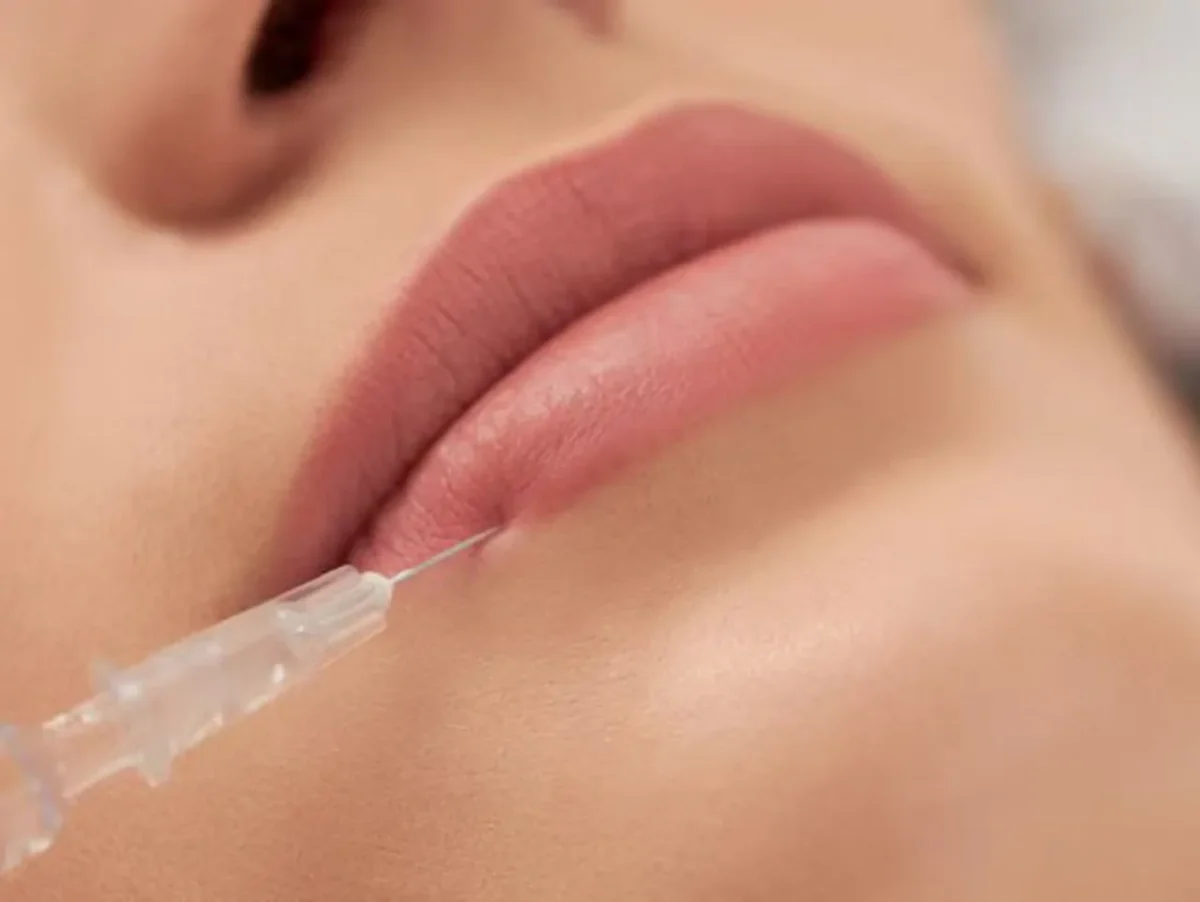
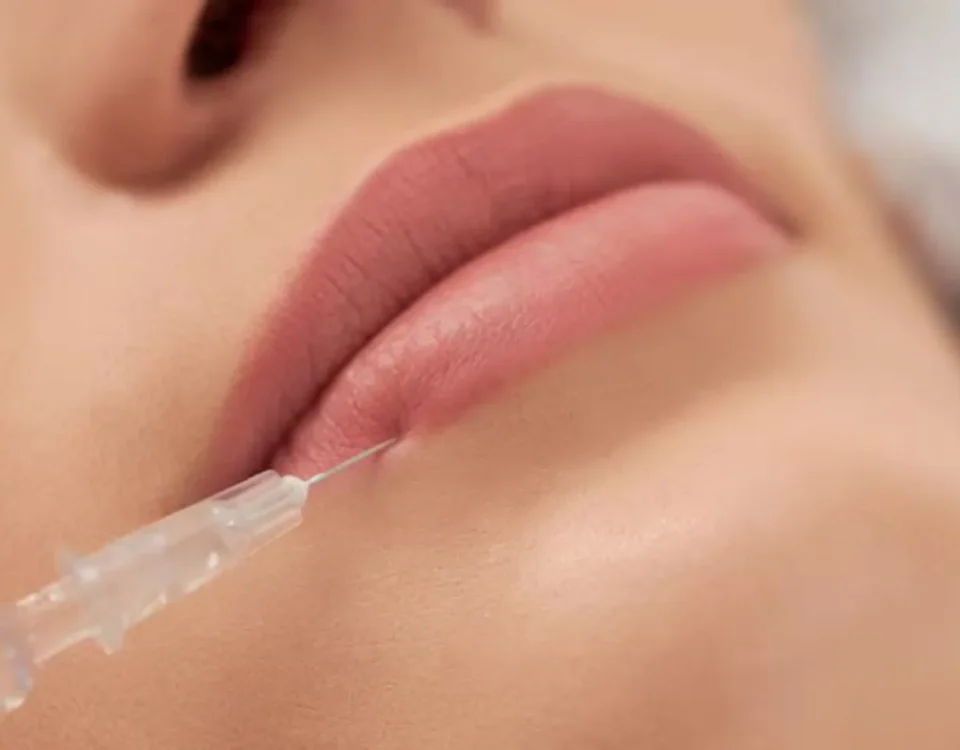
When deciding on lip fillers, the most common question is whether the procedure will cause any problems. Risks of Lip Fillers, ...is the possibility that the gel applied to the lips may cause unwanted effects related to blood vessels, tissues, or the immune system; most of these are mild and temporary, while a small number are serious and require immediate medical attention. The good news is that the vast majority of these risks are significantly reduced when the procedure is performed by a qualified professional using the appropriate product.
In this article, I’ll explain the risks of lip fillers one by one—in a way that’s realistic but not alarming. The general process of lip fillers Lip Filler Guide I summarized this in my article; the focus here is entirely on potential harms and the factors that minimize them.
Highlights
- The vast majority of side effects from lip fillers are mild—such as swelling and bruising—and subside within a few days.
- The most serious complication is vascular occlusion; according to dermatology reviews, this condition occurs in a few out of every 10,000 procedures, that is, at a rate of less than %0.1.
- The risk of infection and permanent damage in unlicensed procedures increases significantly compared to procedures performed under a doctor’s supervision.
- Sudden, severe pain, or a white or bluish discoloration of the lip is an urgent warning sign and requires evaluation within minutes, not hours.
What Are the Risks of Lip Fillers?
The risks of lip fillers fall into two categories: common mild side effects and rare but serious complications. Understanding this distinction makes it easier to tell when it’s best to wait and when it’s time to pick up the phone.
The first group includes swelling, bruising, redness, and tenderness lasting a few days. These are a natural part of the procedure and will subside on their own. The second group is less common but requires close monitoring.
On the serious side, four issues stand out: vascular occlusion, late-stage nodules, infection, and implant migration. I’ll discuss each of these in turn below; my intention is not to cause panic, but to show what is normal and what should be a cause for concern.
The Most Serious Risk: Embolism
The heading I care about the most on the entire list Vascular occlusion following embolization, that is, vascular occlusion. If the gel is accidentally injected into a blood vessel or placed close enough to it to apply pressure, blood flow to that area may be cut off. Symptoms include sudden and disproportionate pain, whitening of the lips, and a subsequent appearance of purple spots.
This scenario is rare, but time is of the essence. According to international dermatology reviews, serious vascular complications associated with hyaluronic acid fillers occur in a few out of every 10,000 procedures—that is, at a rate below %0.1. If detected early, the gel can be rapidly dissolved using the hyaluronidase enzyme, and blood flow can be restored.
The key word here is speed. Having the procedure performed by a doctor who has the enzyme on hand to dissolve the clot when needed makes this risk manageable. The problem is generally not the existence of the risk, but being caught off guard.
Granulomas and Late-Stage Nodules
A granuloma occurs when the immune system perceives the gel as a foreign substance and triggers a hard tissue reaction around it. It appears weeks, and sometimes months, later, leaving a lump that can be felt by touch and may become red.
Most small lumps felt by hand in the early stages are not actually granulomas. These are usually temporary lumps caused by technique or swelling. This distinction and the massage aspect lip filler clumping I discussed this in detail in my article.
True granulomas are rare and require a different approach; sometimes enzyme therapy is needed, and sometimes additional medical support is required. If there is a hard, growing, or discolored mass, I would like it evaluated immediately.
Risk of Infection and Cold Sores
Each needle creates a small entry point into the skin; therefore, infection is technically a risk with every injection. A sterile environment, single-use supplies, and proper aftercare keep this risk very low.
A cold sore on the lip is caused by the herpes virus. In people who have had cold sores before, trauma from a needle can reactivate the dormant herpes virus. If there is such a history, I prescribe preventive antiviral medication before the procedure.
Symptoms suggestive of an infection include increasing redness, increased warmth, painful swelling, and sometimes discharge. In such cases, it is important to see a doctor rather than waiting for the condition to resolve on its own.
Contact us
Create Your Appointment
Filling Migration and Asymmetry
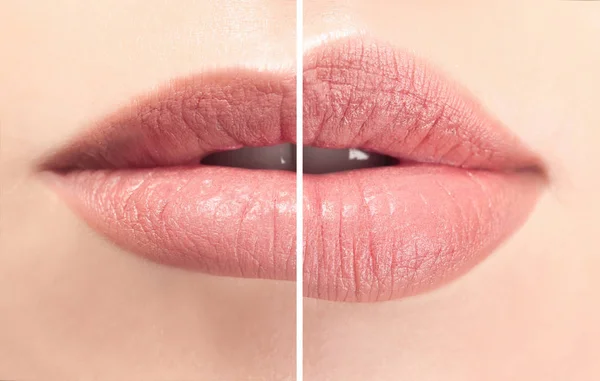
Filler migration is the process by which the gel gradually shifts from its original injection site and moves beyond the lip line. It most commonly appears as swelling above the upper lip, in the filtrum area, and creates an unnatural appearance.
The main causes of migration are excessive volume, application too close to the surface, and a gel that is too thick for the lips. Using the right amount and applying the right layer minimizes this risk from the start.
Shifting gel or any resulting asymmetry is not permanent; hyaluronic acid-based fillers can be removed if necessary. This option lip filler melting I explained it step by step in my article.
Allergies and Other Side Effects of Dermal Fillers
Common filler side effects swelling, bruising, tenderness, and temporary redness; these symptoms disappear within a few days. A true allergic reaction, however, is a condition I rarely encounter.
One reason for this is the gel's composition. Hyaluronic acid It is a molecule that is naturally present in the skin; therefore, it is not considered foreign to the body, and in most studies, the actual allergy rate is reported to be below %1. In other words, the ingredient itself reduces the risk of a reaction from the outset.
However, in rare cases, a reaction to the gel or the lidocaine it contains may occur. If you have a known allergy, sharing this information during your first appointment will directly affect the treatment plan.
Are Lip Fillers Safe? What Reduces the Risks?
“Are lip fillers safe?”The honest answer to the question “ ” is this: under the right conditions, it is largely safe, but no medical procedure is risk-free. What determines its safety is not only the procedure itself but also who performs it and with what.
The table below summarizes the factors that directly affect the safety of lip fillers. Each row shows how it actually reduces one of the risks I listed above.
| Factor | How to Reduce Risk |
|---|---|
| Experienced physician | Understands vascular anatomy and manages complications early on |
| Genuine, certified product | Its composition is known, it has high tissue compatibility, and it can be broken down by enzymes when necessary |
| Cannula technique | Reduces the risk of puncturing a vein and bruising |
| Anatomically appropriate plan | It reduces the risk of migration and asymmetry |
| Sterile environment | Minimizes the risk of infection |
Among these factors, the selection of the cannula is perhaps the most underestimated. A cannula with a blunt, rounded tip reduces the likelihood of entering a blood vessel because it advances by parting the tissue rather than piercing it. Although fine contouring work requires a needle, using a cannula for the main body of the work enhances safety.
The Real Danger of Unlicensed Practices
The situations where all these risks are most heightened are procedures performed by unqualified personnel and in unregulated settings. Compromising safety for a low price or a quick appointment is often the choice that ends up costing the most.
Three problems converge in unlicensed practices: products with unclear ingredients, a practitioner who lacks anatomical knowledge, and the absence of both the necessary enzyme and an emergency plan in the event of complications. In situations such as a blood clot, where every minute counts, these shortcomings pave the way for permanent damage.
That’s why my clearest advice is simple: entrust your lips to a doctor who can safely remove the filler if necessary. The protocol I follow and my choice of products lip fillers I posted it on my services page.
Emergency Symptoms: When Should You Call Immediately?
Most side effects are expected and harmless, but some symptoms mean you should “call immediately.” Recognizing these symptoms means gaining valuable time in the event of a serious complication.
- Sudden, severe, and disproportionate pain relative to the filling
- Whitening of the lip or the area around it, followed by a purplish-spotted appearance
- Progressive redness, warmth, and painful swelling
- Changes in vision, severe headache, or skin discoloration spreading to distant areas
If you have any of these symptoms, it is not advisable to wait for hours. In such a situation Communication Contact me directly using the number on my page; early intervention can make a difference in most cases.
Frequently Asked Questions
Do lip fillers cause permanent damage?
When performed correctly, hyaluronic acid fillers are unlikely to cause permanent damage. Since the gel can be dissolved with an enzyme if necessary, most undesirable results can be corrected. Permanent damage typically occurs in cases of neglected complications, such as vascular occlusion, which are often detected late.
How can you recognize the signs of a blocked blood vessel?
The most typical sign is pain that is unexpectedly severe and sudden compared to the severity of the injury. This may be accompanied by a whitening of the lip, followed by a discoloration with purple patches. If these symptoms appear, you should see a doctor immediately.
Do lip fillers cause cancer?
There is no evidence that hyaluronic acid-based fillers cause cancer. The molecule used is a substance found naturally in the body. The main thing to watch out for is avoiding unregulated, unlicensed products with unknown ingredients.
In what situations should you avoid getting lip fillers?
The procedure should be postponed if you have an active cold sore, a localized infection, or inflammation in the treatment area. Pregnancy, breastfeeding, and certain uncontrolled chronic conditions are also reasons to postpone the procedure. Sharing information about the medications you are taking and your allergy history in advance will help determine the treatment plan.
How many days does it take for the side effects of lip fillers to go away?
Mild side effects such as swelling, bruising, and tenderness usually subside within the first few days. Applying cold and avoiding touching the area can help speed up this process. If symptoms persist or worsen after two weeks, an evaluation is necessary.
What should I do to minimize the damage?

Appointment & Contact
Contact our clinic for reliable and personalized planning in medical aesthetic applications.
Write to Us
Let's Create Your Appointment Now
Application
Filling Application
You can have this procedure done at Dr. Melis Ülger’s office in Kadıköy Caddebostan.
Related Articles

 English