


Is Dermal Fillers a Painful Procedure? Guide to a Comfortable Beauty Experience
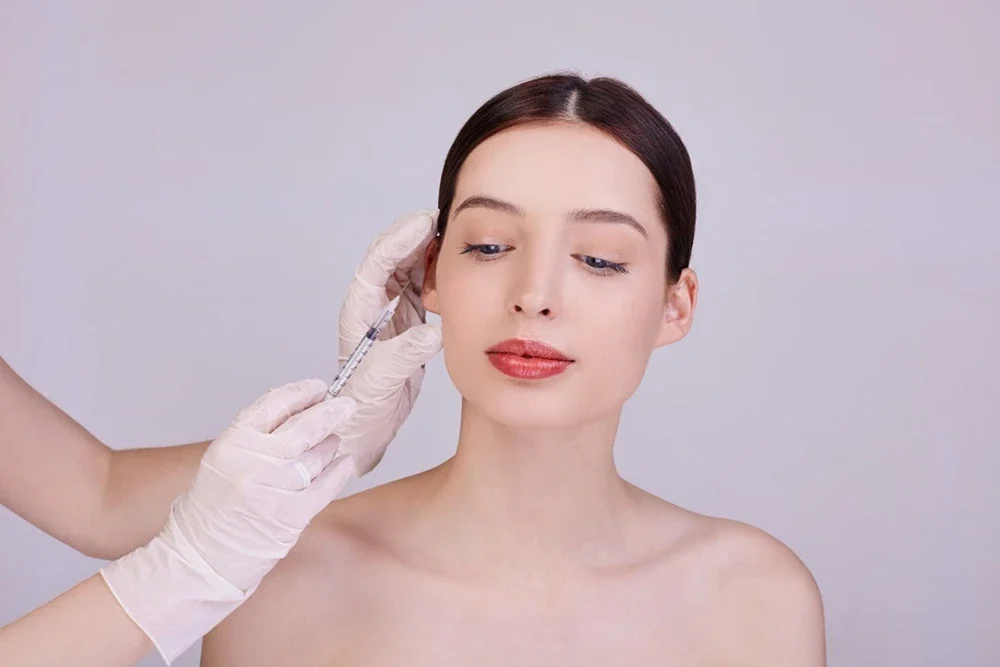
Highlights
- The fear of pain is one of the main factors that cause people to delay getting a filling.
- Comfort has improved significantly thanks to anesthetic cream and modern techniques.
- Not every part of the face is felt to the same degree; the differences are addressed on a region-by-region basis.
- It explains whether the sensation felt after the procedure is pain or tenderness.
Dr. Melis Ulger, Istanbul, Kadikoy‘I go through this process with countless patients every day in my clinic in Istanbul, Turkey, and the sentence I hear most often is “Was that it? It was nothing like I feared!”. In this guide, I would like to explain in detail the modern techniques that increase the comfort level of the filler application, which area feels how much and the scientific facts that will help you overcome your fears.
How pain is managed, particularly in the lip area Does lip filler hurt? I explained this in detail in my article.
The Biggest Obstacle: "Fear of Pain" and Reality
Pain is a completely subjective experience that varies from person to person. What one person describes as a “mosquito bite”, another may find more uncomfortable. However, the concept of “pain” felt in dermal filler applications is often misunderstood. While patients often expect a sharp, excruciating pain, what is actually felt is often a slight stinging, a short-term burning or just a feeling of “pressure”. Modern techniques use a number of layers of safety and comfort to minimize this sensation.
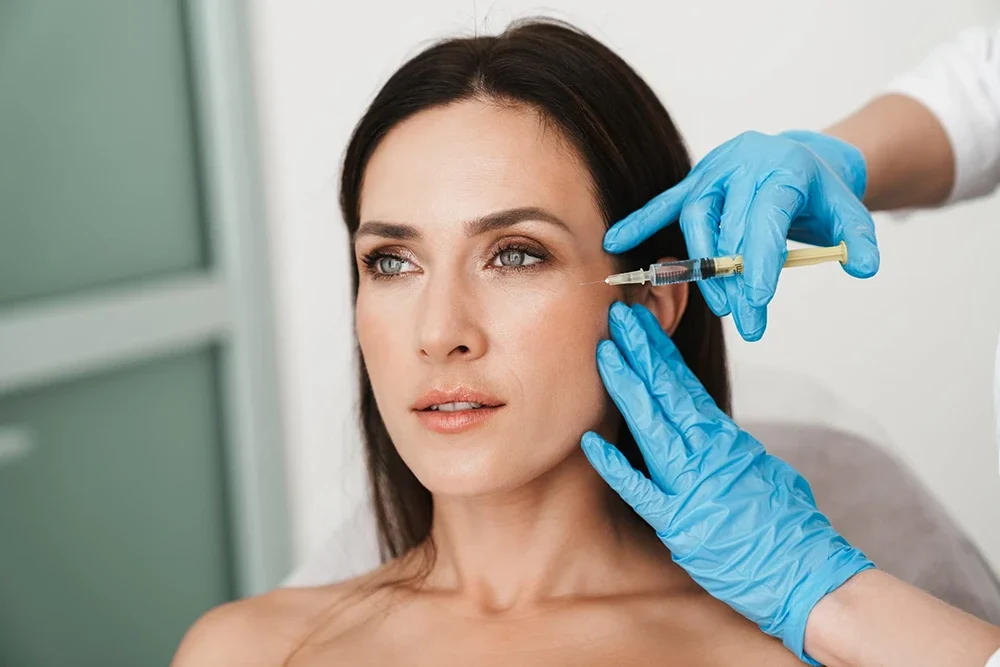
Modern Technologies and Methods Changing the Perception of Pain
There are four key elements that transform the dermal filler experience from a “painful medical procedure” to a “comfortable beauty break”:
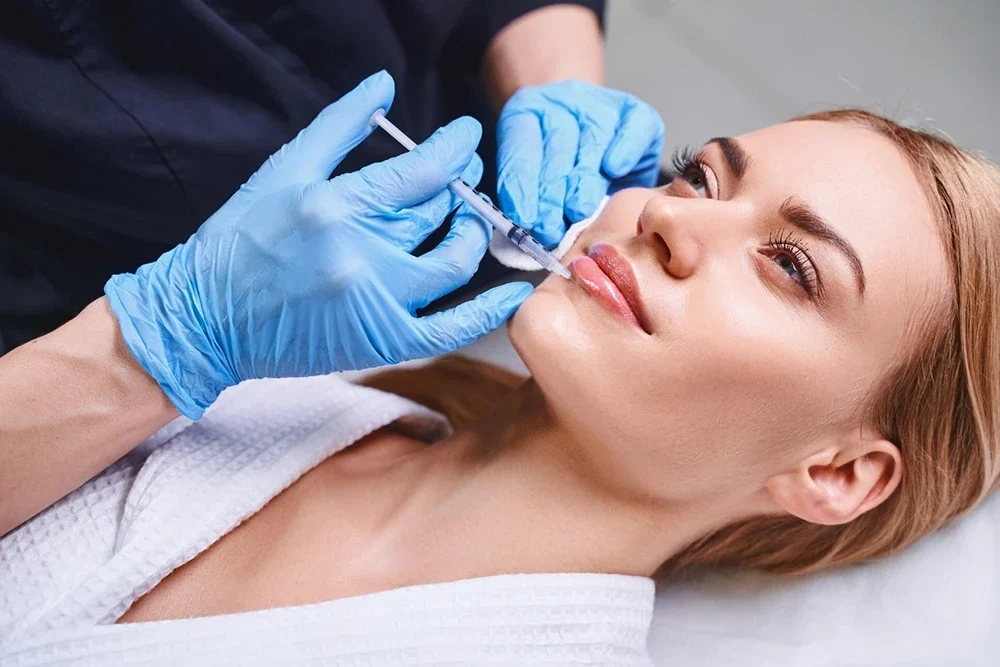
1. Magic Ingredient: Lidocaine Fillers
In the past, fillers consisted only of pure hyaluronic acid and may have required a separate anesthesia needle to numb the area during injection. Today, however, almost all of the FDA-approved premium filler brands we use in our clinic contain “Lidocaine” in their formulas. Lidocaine is a powerful local anesthetic that is also used in dentistry. This means the following: From the moment the filler enters your skin, it starts to numb that area from the inside. Within seconds after the first injection, the area is numb and you hardly feel the rest of the procedure. This is a revolutionary development in patient comfort.
2. Strong Topical Anesthetics (Narcotic Creams)
Before starting the procedure, we apply “double protection” to guarantee our patient's comfort. Before the injection, a highly effective, medical grade local anesthetic cream is applied to the area to be treated and waited for about 20-30 minutes. This cream completely numbs the surface of the skin. This minimizes or eliminates even the small pricking sensation when the needle first enters the skin.
3. Cannula Technique: Needle-free and Comfortable Application
This is the most important technique that improves comfort, especially in large areas such as the cheeks, jawline and under the eyes. In the traditional method, the needle may need to be inserted in and out of the skin many times to place the filler. However, the situation changes when blunt and flexible micro-tubes called “cannulas” are used. A single tiny entry point is opened in the skin with the needle and the cannula enters through this point and moves painlessly under the skin. Since the tip of the cannula is not sharp, it does not cut tissues, nerves and vessels, but only pushes through. This means that the patient does not feel sharp pain, only a slight push or pressure. The risk of bruising and swelling is also much lower with the cannula.
4. Cold Application and Vibration Devices (Gate Control Theory)
Applying a cold compress (ice) to the area during the procedure temporarily desensitizes the nerve endings. In some cases, we also place small vibrating devices close to the injection site. This method, based on the “Gate Control Theory”, engages the brain with the sensation of vibration and prevents or reduces the pain signal from reaching the brain.
Let's Create Your Appointment Now
Leave your name and phone number and we will call you to discuss the right treatment and an appointment time.
Reach us by phone+90 532 336 52 00Which Area Feels How Much? The "Pain Map" of the Face"
Not every part of our face has the same sensitivity. The density of nerve endings varies from region to region.
Lips Most Sensitive Area
Lips are one of the areas with the highest concentration of nerve endings in our body. Therefore, this is the area where patients feel the most sensitivity among dermal fillers. However, thanks to strong numbing creams and lidocaine fillers, this sensation is described as “short-term discomfort” rather than “pain”. The procedure is very fast (10-15 minutes) and since the result is seen immediately, many people think that this short-term sensation is worth it.
Cheeks and Cheekbones: Just a Feeling of "Pressure"
The mid-face area is less dense in terms of nerves and fillers are usually applied in deeper planes (on the bone). Applications in this area are surprisingly comfortable. Patients usually feel no pain at all, describing only a feeling of “fullness” or “pressure” as the filler is placed.
Chin and Jawline: Surprisingly Comfortable
The chin tip and jawline are less sensitive areas like the cheeks. Especially when the cannula technique is used, we complete the procedure comfortably by chatting with our patients during the shaping of this wide line.
Under Eyes and Temples
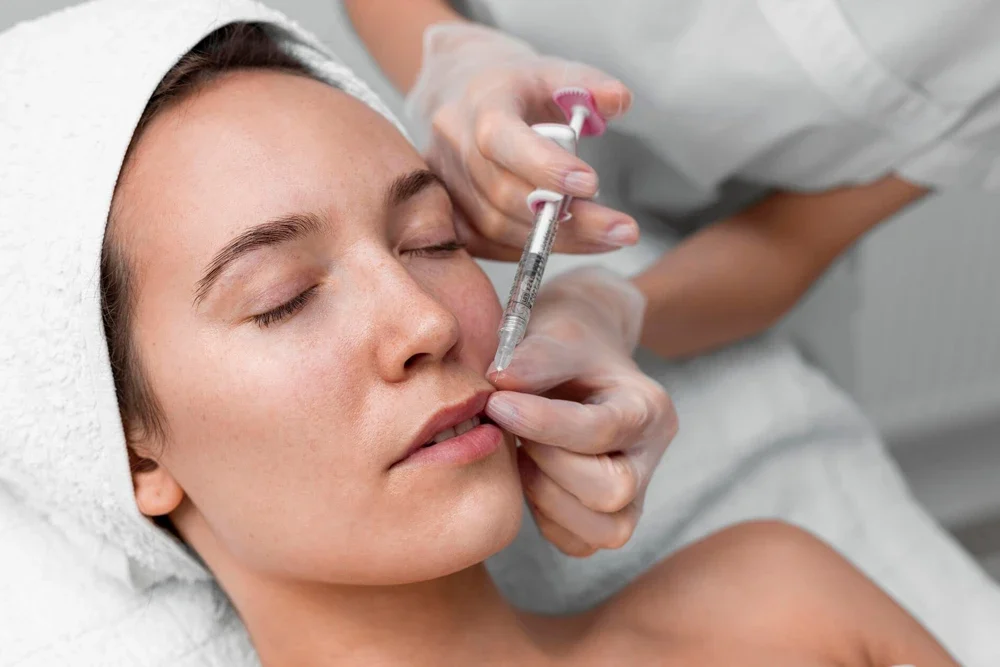
Although these areas may sound scary, they are almost completely painless when performed with the cannula technique.
The Physician's Hand: How Technique and Experience Affect Comfort
The precision of the hand using the material is as important as the materials used. An experienced physician performs the injection slowly and in a controlled manner. Giving the filler into the tissue slowly prevents pain due to sudden stretching. In addition, the physician's calming the patient, making them do breathing exercises and reassuring them is one of the most important factors that reduce the perception of pain. Kadikoy‘In our clinic in Istanbul, we work with a “gentle touch” approach, taking our time and respecting the tissue.
Psychological Factor: Does Fear Increase Pain?
Absolutely yes. When we are stressed and tense, our body contracts and our pain threshold decreases. Being in an environment where you feel comfortable and safe, trusting your physician and knowing the steps of the procedure can reduce the discomfort you will feel by half. Therefore, it is very important to ask all your questions and relax during the pre-procedure consultation.
Feelings After the Procedure: Pain or Sensitivity?
After the procedure is finished and the anesthetic has worn off (after about 1-2 hours), there is no sharp pain. What is felt is more like “tenderness” or a “slight ache”. It may feel as if you have been lightly hit in that area. This will go away completely in 1-2 days. If necessary, simple painkillers (paracetamol) can be used. American Society of Plastic Surgeons (ASPS) Institutions such as the Dermal Filler Institute state that dermal filler procedures are minimally invasive and patients can return to their daily lives immediately after the procedure.
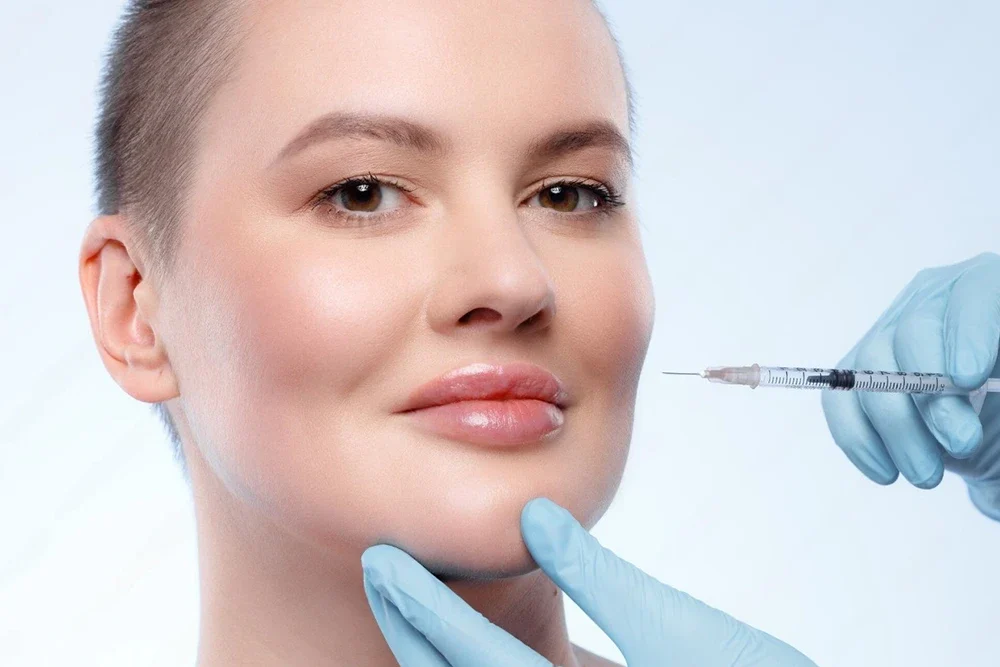
Our "Painless Aesthetic" Approach in our Clinic in Kadıköy
Kadikoy‘At our clinic in Istanbul, we believe that beauty does not have to mean suffering. Our goal is not only to achieve excellent aesthetic results, but also to ensure that you leave our clinic smiling and saying “was I scared for this?”. Using the latest anesthesia methods, the finest needles and cannulas, we offer you a luxurious and comfortable treatment experience. If the fear of pain is holding you back from your dream look, let's talk about how to manage this process over a coffee.
Application
Filling Application
You can have this procedure done at Dr. Melis Ülger’s office in Kadıköy Caddebostan.
Frequently Asked Questions
Is getting a filler treatment really painful?
While patients usually expect sharp, unbearable pain, what they actually feel is often just a mild prick, a brief burning sensation, or simply a feeling of pressure.
Does the perception of pain vary from person to person?
Yes. Pain is an entirely subjective experience; what one person describes as a mosquito bite, another might find more uncomfortable.
What makes it more comfortable?
Modern dermal fillers contain lidocaine. Whereas in the past, fillers consisted solely of pure hyaluronic acid, today the product itself numbs the area during the procedure.
Has the process changed from what it used to be?
According to the article, dermal filler treatments have reached a level of comfort and speed that is incomparable to what it was 10 years ago; the technology focuses not only on the results but also on patient comfort.

You may also like
-

How Long Does Bruising Last After Chin Filler?
Why does bruising happen after chin filler, and how many days does it take to fade? The day-by-day colour changes, ways to reduce it and warning signs. Write to us if you have questions. -

Does Lip Filler Hurt? Pain Management and the Process
Does lip filler hurt, and how much pain is there really? Read about numbing cream, lidocaine-containing products and cannulas, and book your appointment in Caddebostan. -
When Do Lip Fillers Settle? The Process, Day by Day
When do lip fillers settle in, and how many days does the swelling take to go away? Dr. Melis Ülger explains the daily timeline from the first 24 hours through the second week.
 Türkçe
 English