






What Is Nose Botox? A 2026 Guide for a "Flying Nose"
16/07/2026
2026 Golden Needle Prices: 5 Factors That Affect the Cost
17/07/2026Enlarged Pores: Causes and Ways to Permanently Tighten Pores
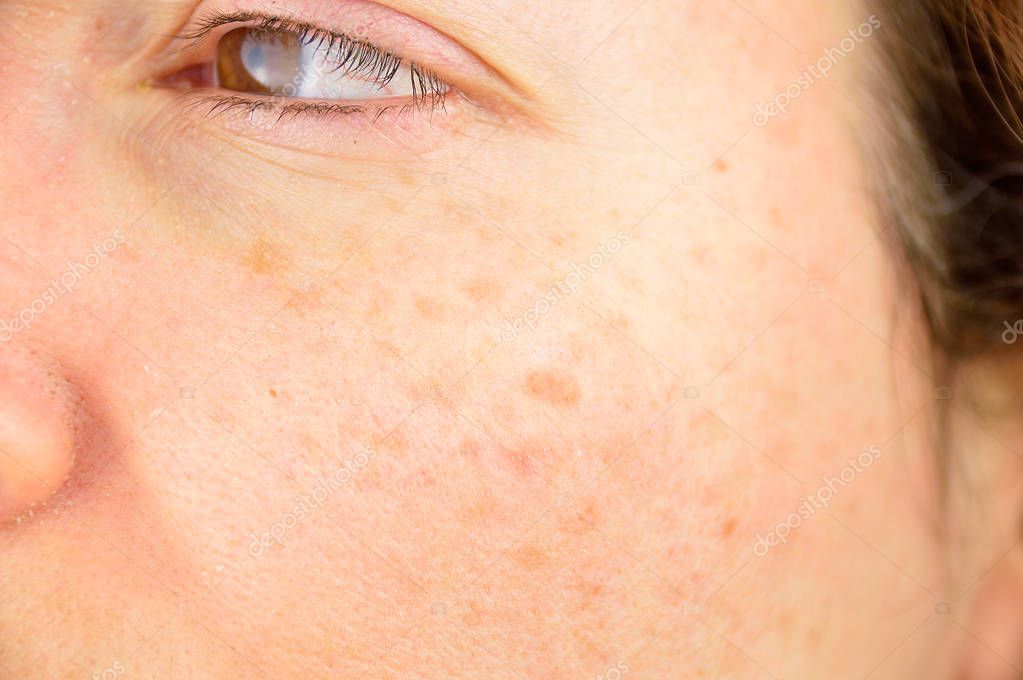
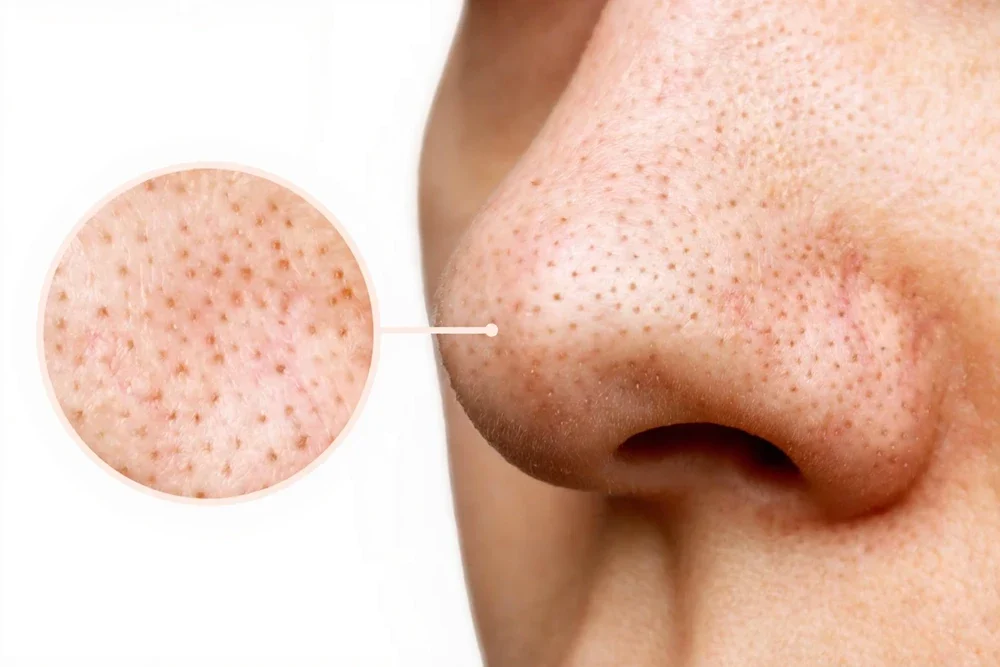
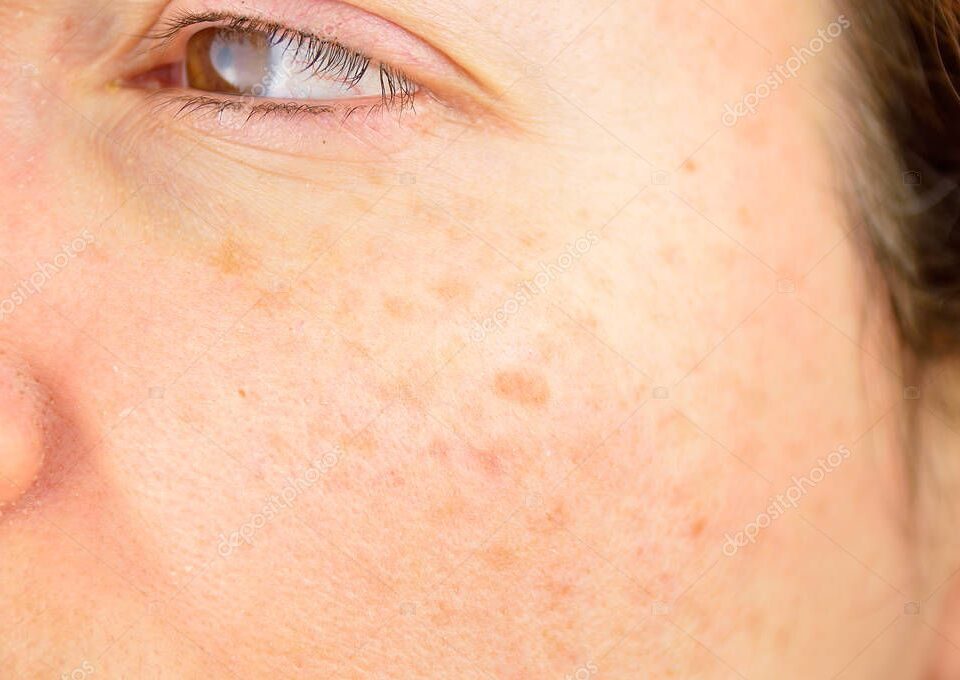
When you look closely in the mirror, those tiny little dimples that appear on your nose and cheeks are the most common reason people seek out pore-tightening solutions. Before you get upset with your skin, I want you to know this: pores are a natural part of the skin’s structure that allow it to breathe, and we all have them. The problem isn’t the presence of pores, but the fact that they become more noticeable over time.
Pore tightening is a comprehensive approach that combines at-home care and clinical treatments aimed at reducing the appearance of enlarged pores and smoothing the skin’s surface. In this article, we’ll discuss one by one why pores become enlarged, whether they actually “shrink,” and which methods—from at-home to in-clinic—are effective.
There’s a phrase I often say to my clients: We can’t eliminate the pore, but we can significantly improve its appearance. The right expectations are half the battle when it comes to treatment.
Highlights
- Pore tightening does not completely close the pores; the goal is to significantly reduce their appearance through sebum control and collagen support.
- There are three main causes of enlarged pores: excessive sebum production, genetic predisposition, and age-related collagen loss.
- NCBI’de yer alan araştırmalara göre görünür yüz yaşlanmasının %80’e varan bölümü güneş ışınlarına bağlıdır ve bu süreç gözenekleri belirginleştirir.
- Retinoids and niacinamide improve the skin's appearance at home; long-lasting Treatment for Enlarged Pores Clinical methods such as gold needle therapy, thulium laser, and Hydrafacial are the leading options.
- The most effective method varies depending on your skin type; therefore, a skin analysis is essential before treatment.
What Causes Open Pores?
The cause of enlarged pores is rarely due to a single factor; sebum production, genetics, and a loss of skin elasticity all play a role. What we call a pore is actually a tiny channel through which the hair follicle and sebaceous gland open onto the skin’s surface. When sebum production increases and the surrounding tissue loosens, the pore becomes visible to the naked eye.
Sebaceous glands are most concentrated on the nose, forehead, and central part of the cheeks. That’s why pores are most noticeable in the T-zone. If you have oily skin, it’s to be expected that your pores will be more prominent.
The diameter of a pore is not fixed. As sebum and dead skin cells accumulate inside it, the pore widens; as the skin loses its elasticity, the edges of the pore collapse. It is the combination of these two mechanisms that results in the “open pores” we see in the mirror.
Key Factors That Make Pores More Visible
Understanding why pores become more noticeable is the first step in choosing the right treatment. The topics below are the common causes seen in most of the clients who visit my clinic.
Oily Skin and Excess Sebum
Sebum is a natural oil that protects the skin; however, an excess of it causes the pore to swell from the inside. In skin with overactive sebaceous glands, the pore appears enlarged because the duct remains constantly full. According to the American Academy of Dermatology (American Academy of Dermatology) According to this source, acne is the most common skin condition in the United States, affecting up to 50 million people annually, and at the heart of the problem are clogged pores and excess sebum.
Another factor that contributes to the appearance of pores in oily skin is a consistency issue. When sebum becomes thicker, it flows more slowly through the pore and accumulates at the pore opening. When this buildup turns into a blackhead, the pore appears even darker and more prominent.
Genetic Predisposition
Pore size is largely genetic. If your mother or father has oily, pore-prone skin, you’re likely to have a similar skin type. We can’t change our genetics, but we can manage how our skin looks.
At this point, it’s important to be realistic. If you have naturally large-pored skin, the goal isn’t to eliminate the pores entirely, but to keep them as tight and even as possible through daily care and clinical support.
Age and Collagen Loss
Starting in the late twenties, collagen production slows down. As collagen decreases, the skin can no longer keep the area around the pores taut, and the edges of the pores sag. As a result, pores that appear round in youth begin to look teardrop-shaped and longer with age.
This age-related loss of firmness explains why we prioritize collagen-stimulating methods in our pore-tightening regimen. Cleansing the skin’s surface alone is not enough; the underlying support structure must also be strengthened.
Sun Damage
Güneş, cildin gözenek çevresindeki kolajen ve elastin ağını yıpratır. NCBI’de yer alan fotoyaşlanma araştırmalarına göre görünür yüz yaşlanmasının %80’e varan bölümü güneş ışınlarına bağlıdır. Korumasız geçen her yaz, gözeneklerin biraz daha belirginleşmesi anlamına gelir.
That’s why, no matter which treatment you choose, broad-spectrum sunscreen is an integral part of it. A skincare routine that skips sun protection is like rowing a boat without putting the oar in the water.
Incorrect Skin Care
Sometimes the problem stems from the skincare routine itself. Rubbing the skin too hard with harsh products, drying it out with alcohol-based toners, and not removing makeup properly can clog pores. When the skin dries out, it produces more oil to restore balance, and the pores become clogged again.
Heavy, comedogenic creams also enlarge pores by clogging the pores. The right skincare routine shouldn't be harsh; it should be balanced.
Contact us
Create Your Appointment
Is Pore Reduction Really Possible?
When people hear the term “pore reduction,” they tend to think of pores disappearing permanently; in reality, however, the results are a bit more nuanced. Pores do not contract and relax like muscles, so we cannot permanently reduce their diameter to zero. What we can do is reduce the sebum that fills the pores and significantly minimize their appearance by strengthening the surrounding tissue.
So the right question isn’t “Will the pores close completely?” but rather “How much will they improve?” In a well-planned pore-reduction process, the skin appears smoother, more matte, and more even. The results are long-lasting but can only be maintained as long as you continue with your skincare routine.
Don’t trust any product or device that promises miracles. Pore reduction is a skin care investment that requires patience and consistency. Any approach that claims pores will disappear in a single session does not align with realistic medical knowledge.
At-Home Pore Care: Retinoids, Niacinamide, and Cleansing
Before resorting to clinical treatments, there are many things you can do at home. Proper home care not only improves the appearance of your pores but also helps prolong the results of clinical treatment.
Retinoids accelerate cell turnover, reduce pore blockage, and support collagen production. Niacinamide, on the other hand, regulates sebum balance and strengthens the skin’s barrier. These two are the active ingredients with the most evidence supporting their effectiveness in reducing the appearance of pores.
Cleansing is the foundation of skincare. A gentle cleanser that effectively removes evening makeup and daily dirt prevents pores from becoming clogged. Using a product containing salicylic acid once or twice a week helps clear oil from the pores.
Throughout the day, two habits make all the difference. Be sure to apply sunscreen in the morning, and don’t scrub your skin too hard. At-home skincare won’t eliminate pores on its own, but it prepares the skin; the most noticeable results come from clinical treatments.
Pore-Tightening Methods: Clinical Options
When you reach the limits of at-home skincare, clinical treatments come into play. Pore-tightening methods work by stimulating the underlying collagen and balancing sebum; none of them cut away the pores with scissors. The goal is to rebuild the skin from within.
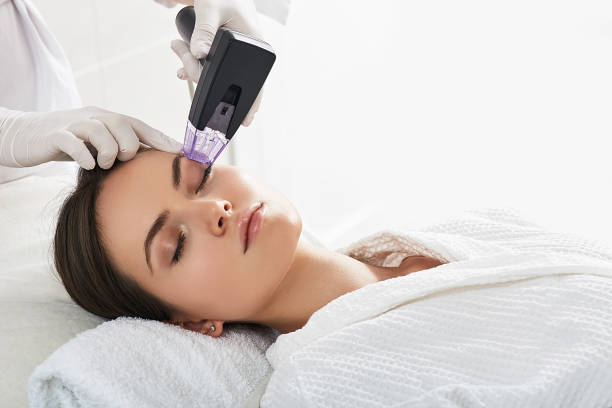
Three approaches stand out as the ones we use most frequently at our clinic. The radiofrequency-assisted gold needle triggers collagen synthesis by delivering controlled heat beneath the skin. If you’re curious about how it works What is a gold needle You can read more about it in my article.
The second method is a system that uses a thulium laser to rejuvenate the skin without causing peeling. I explain this technology in detail in baby face This article is a good starting point for my clients concerned about pores and blemishes. Third on the list is a product that deeply cleanses and moisturizes the inside of the pores hydrafacial skin care comes.
These methods are not competitors; rather, they often complement one another. For example, Hydrafacial cleanses the pores, while gold needle or laser treatments tighten the underlying tissue. We’ll determine which combination is right for you based on a skin analysis.
Which Device Stands Out for Enlarged Pore Treatment?
There is no single “best” device for treating enlarged pores; the right choice depends on skin type, sebum levels, and expectations. For oily and thick skin, radiofrequency gold needle treatment generally yields more dramatic results. If dark spots and uneven skin tone accompany enlarged pores, the Thulium laser is the preferred option.
Radiofrequency gold needles penetrate the skin with micro-needles and deliver controlled heat. This heat reorganizes collagen and tightens the tissue around the pores. The treatment is typically planned as a series of several sessions, and the results become noticeable within weeks.
The thulium laser, on the other hand, creates microchannels in the underlying layer while protecting the epidermis and stimulates collagen production. It improves the appearance of pores while also addressing dark spots and uneven skin tone. Since it does not exfoliate the skin, it does not require a long period of time away from social activities.
HydraFacial, however, is not a permanent treatment for enlarged pores on its own; it prepares the skin for other treatments by using suction to cleanse and hydrate the inside of the pores. It is a powerful treatment option for clients seeking instant radiance and clarity.
Method Comparison Table
The table below summarizes how the pore-tightening methods we use most frequently work, their recovery time, and their effect on the pores. The exact treatment plan is always determined after a skin analysis.
| Method | How It Works | Recovery Time | Pore Effect |
|---|---|---|---|
| Golden Needle (radiofrequency) | It stimulates collagen by delivering controlled heat under the skin using a micro-needle | Mild redness for 1–3 days | High, long-lasting after treatment |
| Thulium Laser (Baby Face) | It creates microchannels without peeling the skin, renewing collagen and improving skin tone | A few hours of pinkness | Medium-high, with spot coverage |
| Hydrafacial | It cleans and moisturizes the inside of the pores using vacuum technology | No, back to social life right away | Temporary, cleaning-focused |
| Retinoids + Niacinamide at Home | Regulates sebum production and skin renewal, and strengthens the skin barrier | None | Light to moderate, with continuous use |
The Relationship Between Skin Tightening and Pores
Skin firmness is directly linked to the appearance of pores, because taut skin keeps pores narrower. When collagen and elastin are abundant, the edges of the pores remain supported and do not sag. When this network weakens, however, the pores both widen and elongate.
For this reason, most pore-targeted treatments also serve as skin-tightening procedures. The new collagen stimulated by gold needles and lasers both firms the skin and tightens the pores. Rather than thinking of them as separate goals, it is more accurate to consider them as a single, integrated process.
As we age, the need for skin firming increases, and pores become more noticeable during this process. Starting a collagen-enriched skincare routine early on helps prevent issues that become harder to correct later on. The investment you make in your skin today will determine how you look ten years from now.
The Effect of Lifestyle on Pores
Skincare isn’t just about the products you use. Your diet, sleep, and stress levels directly affect sebum balance. Foods high in sugar and highly processed foods can increase oil production and make it easier for pores to become clogged.
Drinking enough water and getting regular sleep, on the other hand, support the skin’s nighttime repair cycle. Many of my clients notice that during periods of sleep deprivation and stress, their skin appears oilier and their pores more prominent. Smoking also contributes to enlarged pores because it breaks down collagen.
These habits alone do not tighten pores, but they significantly enhance the results of clinical treatment and at-home care. Investing in your skin from the inside and out at the same time is the most effective approach.
Common Mistakes in Pore Care
Most of my clients have already tried methods they found online before coming to the clinic. Some are harmless, while others actually make the pores larger without you even noticing. Let me summarize the most common mistakes I come across.
First, “opening” the pores with hot steam and then squeezing them to remove the contents. The steam temporarily loosens the pore, but squeezing it by hand damages the tissue and permanently enlarges the pore. Picking at blackheads with your fingernails causes the same damage.
The second common mistake is thinking that applying ice is a permanent solution. Ice temporarily tightens the skin and is useful before applying makeup, but it does not shrink pores. Its effect wears off within minutes.
The third mistake is the harshness trap. Exfoliating the skin several times a day, scrubbing it with stiff brushes, or drying it out with alcohol-based products damages the skin barrier. When damaged skin produces more oil, the pores become clogged again. Pore tightening requires a patient and gentle approach, not aggressive intervention.
Session Interval and Preservation of Results
In clinical practice, consistency is more valuable than a single intensive treatment. Collagen-stimulating methods, such as gold needle therapy and laser treatments, yield the best results when sessions are repeated at intervals of a few weeks. Since it takes time for the skin to produce new collagen, we allow sufficient time between sessions.
The treatment isn’t over once the course is complete; the skin is a living tissue and continues to age. That’s why follow-up sessions once or twice a year are helpful for maintaining the firmness you’ve achieved. We’ll work together to determine this schedule based on your skin’s response.
What really determines the longevity of the results is your at-home routine. Regular sun protection, proper cleansing, and active ingredients like retinoids help you maintain the results achieved at the clinic for a long time. When you maintain the results you’ve achieved at the clinic through your at-home routine, your pores will remain refined for months.
Which Method Is Right for Whom?
The right approach varies from client to client. While sebum control and pore cleansing are the top priorities for young, oily skin, collagen support takes precedence for mature skin. That’s why we create personalized plans instead of following a standard regimen.
The first step is always a detailed skin analysis. We assess your skin type, sebum levels, and pore distribution; discuss your expectations; and develop a realistic timeline. For treatments requiring more advanced clinical procedures, baby face ultra You can review our services page, and we can discuss together during the meeting whether they are a good fit.
Maintaining these results is largely up to you. Sun protection, proper at-home care, and regular follow-up sessions will help you maintain the firmness you’ve achieved for a long time. Pore tightening isn’t a destination—it’s a habit that pays off the more you stick with it.
Last updated: July 16, 2026
This content has been reviewed by Dr. Melis Ülger, a medical aesthetics specialist. Dr. Melis Ülger is a medical aesthetics specialist who develops personalized treatment plans for pore tightening and skin rejuvenation at her practice in Caddebostan.
Frequently Asked Questions
Do pores close completely?
No, pores are a natural part of the skin’s structure and do not close completely. With the right treatment, their appearance is significantly reduced, and the skin looks smoother and more matte. The goal is not to eliminate pores but to keep them tight and even.
How many sessions does it take to see results from pore tightening?
It depends on the method and skin type. For gold needle and laser treatments, a course of several sessions is typically planned, and results become noticeable within a few weeks. A specific treatment plan is developed following a skin analysis.
What should I use to minimize the appearance of pores at home?
Retinoids and niacinamide are the active ingredients with the most evidence supporting their effectiveness in reducing the appearance of pores. A gentle cleanser and regular use of sunscreen are also essential parts of your routine. Avoid scrubbing your skin with harsh products.
Why are pores more noticeable on oily skin?
In oily skin, the sebaceous glands are more active, and the pore canal is constantly filled with sebum. As the filled canal expands, the sebum that accumulates at its opening turns into a blackhead, making the pore appear darker. For this reason, controlling sebum production is a priority for oily skin.
Can enlarged-pore treatment be performed in the summer?
Treatments that do not involve skin peeling, such as laser and Hydrafacial, can be performed during the summer months as long as you use strong sun protection. For radiofrequency gold needle treatments, your doctor will recommend the most suitable season based on your skin condition. Sun protection is mandatory for every treatment plan.
Are the results of pore tightening permanent?
The results of collagen-stimulating treatments last for a long time, but the skin continues to age. Sun protection, proper at-home skincare, and annual maintenance sessions help prolong the results. As long as you continue your skincare routine, your skin will maintain its firmness.

Appointment & Contact
Contact our clinic for reliable and personalized planning in medical aesthetic applications.
Write to Us
Let's Create Your Appointment Now
Related Articles
 English