


How Do You Even Out Skin Tone, and Which Methods Work?
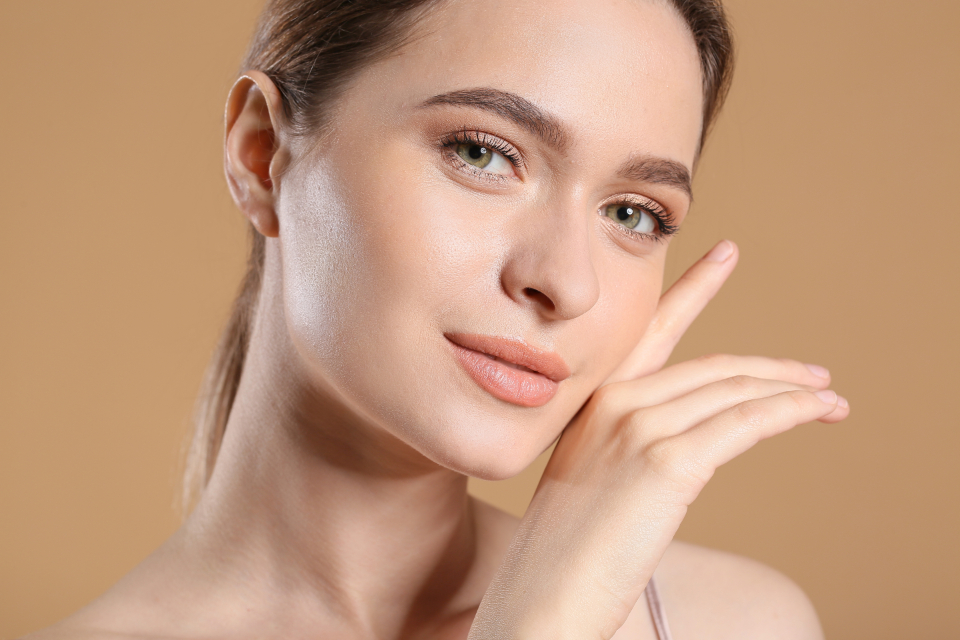
If you look in the mirror in the morning and some areas of your face look darker, duller or patchier than others, it is perfectly normal to start looking for ways to even out your skin tone. My patients rarely complain about a single spot; they complain about an overall look that is "not evenly distributed". In other words, the issue is not a mark in one place but a loss of harmony across the whole skin.
Evening out skin tone is the combination of home care and clinical treatments that aim to reduce colour differences on the face and give the skin a brighter, more radiant and more uniform look. In this article we will go step by step through why tone becomes uneven, whether it can really be "evened out", and which method works for which skin.
Let me be clear from the start: we can noticeably restore the overall tone of the skin, but do not trust any approach that promises to erase every difference in one go. A plan built on the right expectations secures half of the result before it even begins.
Highlights
- Evening out skin tone targets not a single spot but colour mismatch, dullness and patchiness across the whole face.
- Uneven tone has four main sources: sun damage, pigment spots, a build-up of dead cells and declining collagen.
- The American Academy of Dermatology attributes up to 90% of visible skin aging to the sun.
- Baby Face (Thulium) laser, Hydrafacial, mesotherapy and peels correct tone in the clinic, while vitamin C and niacinamide support it at home.
- The real key to lasting radiance is sun protection used consistently in every season.
Why Do Skin Tone Differences Appear?
Differences in skin tone arise when melanin production and surface roughness are not evenly distributed across the skin. If one cheek has had more sun exposure, or dead cells have built up in one area, light reflects differently from that spot and the eye reads it as a shift in colour. That is why uneven tone usually comes not from one cause but from several factors stacked on top of each other.
The picture I see most often is the forehead and cheekbones becoming darker than the surrounding skin. Add the fine spots and dullness that accumulate over time, and the face looks tired and uneven. The skin is actually healthy; it has simply lost the ability to keep its colour even.
Skin type amplifies this difference. Shine in oily areas and flaky dullness in dry areas can appear on the same face. This mixed ground is exactly what makes it hard to fix tone with a single product.
How Does Skin Lose Its Radiance?
When dead cells accumulate on the surface and reflect light unevenly, the skin loses its radiance and takes on a dull, greyish look. Healthy, renewing skin reflects light softly, which creates the luminous effect people want. When the surface becomes rough, light scatters and the skin looks lifeless.
Irregular sleep, smoking and drinking too little water speed up this dullness. When the skin's overnight repair cycle is disrupted, dead cells are not shed properly and a thick layer forms on the surface. In the end even make-up does not sit well; it seems to rest on top of the skin.
The way to reverse dullness is to renew the surface gently while also supporting the tissue beneath. Peeling alone gives only a temporary glow; lasting radiance requires boosting the skin's own capacity to renew itself.
The Main Causes of Uneven Skin Tone
To correct tone properly, we first need to know what disrupts it. In most of my patients these causes coexist and build the picture together.
Sun Damage
The sun is by far the biggest cause of uneven tone. Ultraviolet light increases melanin production, wears down the collagen network, and both spots and dulls the skin. According to the American Academy of Dermatology (American Academy of Dermatology), up to 90% of visible skin aging is linked to the sun.
Every summer spent without protection means a little more patchiness. That is why, whichever method you choose, sun protection is an inseparable part of the work.
Pigment Spots
Sun spots, melasma and dark marks left by acne disrupt tone in specific places. Because these spots break up the overall harmony of the face, they are the most visible side of uneven tone. Widespread sun spots need to be handled as a separate process; you can read about this in detail in my sunspot treatment article.
Spots rarely come alone; they usually appear together with dullness and enlarged pores. That is why we look at the whole skin when assessing tone.
Dead Cell Build-Up and Collagen Loss
As renewal slows down, dead cells stay on the surface and the skin turns greyish. Collagen, which declines from the late twenties onwards, leaves the skin without support and increases shadowing and roughness. When the two combine, tone becomes both darker and more irregular.
That is why most treatments that even out tone also renew the skin and stimulate collagen. Cleaning the surface is not enough on its own; the support underneath must be strengthened as well.
Skin Tone Correction Methods: What Is Done in the Clinic?
In the clinic we combine several methods to even out skin tone according to skin type and the source of the problem; none of them is enough for every case on its own. The aim is to lighten pigment in a controlled way, renew the surface and strengthen the tissue beneath. Let me describe the approaches I use most often.
First comes the Thulium-based Baby Face laser. Without peeling the skin, this technology targets pigment and dullness in the upper layer and gently brightens the tone over the course of the sessions. To learn how it works, see baby face I explained it in detail in my article.
The second method is Hydrafacial. It cleans inside the pores with a vacuum, hydrates the skin and gives an instant freshness; it is not a lasting solution on its own but a treatment that prepares the ground for other methods. The third option is mesotherapy. A mix of vitamins and antioxidants delivered into the skin supports renewal and brings vitality back to dull skin.
The fourth method is a controlled chemical peel. The right acid blend sheds the dead, pigment-laden cells in the top layer, so the skin looks more even and smoother. Radiofrequency gold needle treatment comes into play when uneven tone occurs together with texture problems; the same device is also used for pore tightening and similar surface concerns.
Let's Create Your Appointment Now
Leave your name and phone number and we will call you to discuss the right treatment and an appointment time.
Reach us by phone+90 532 336 52 00Which Device Stands Out for an Even Skin Tone?
There is no single "best" device for an even skin tone; the right choice depends on skin type, the depth of the problem and your expectations. For superficial dullness and a slight shift in tone, a course of peels supported by Hydrafacial is often enough. When spots and roughness occur together, the Baby Face laser takes the lead.
If loss of firmness and enlarged pores are part of the picture, we prefer radiofrequency gold needling. By stimulating collagen, it both refines the surface and balances tone. For pale, tired skin, mesotherapy is a good revitaliser to slot in between other treatments.
Most of the time we use these methods not one by one but within a plan where they complement each other. Which combination suits you can only be decided after a face-to-face skin analysis.
Method Comparison Table
The table below compares the methods I often use to even out tone: what they do, how soon you can return to social life and their effect on tone. The final plan is always tailored to the person after a skin analysis.
| Method | What Is It For? | Return to Social Life | Effect on Tone |
|---|---|---|---|
| Baby Face (Thulium Laser) | Targets pigment and dullness without peeling, renews the skin | Pinkness that fades within a few hours | High, on both spots and tone |
| Hydrafacial | Cleans pores, hydrates, gives instant freshness | On the same day | Temporary glow, preparatory |
| Mesotherapy | Supports renewal and vitality with a vitamin blend | A slight redness for a few hours | Moderate, noticeable on dull skin |
| Chemical Peel | Sheds dead and pigmented top cells, evens the surface | 2-5 days of peeling | Good for superficial tone, needs a course |
| Vitamin C + SPF at Home | Slows new pigment, protects and brightens the skin | None | Protective, slow and lasting |
Home Care for Brighter Skin: Vitamin C and Niacinamide
When people think of brightening the skin, the clinic comes to mind first, yet it is your routine at home that really determines how long the result lasts. The right actives both correct the existing tone and preserve the gains from the clinic for a long time. Let us look at a few effective ingredients.
Vitamin C serum brightens the skin by regulating melanin production and, as an antioxidant, helps against sun damage. Niacinamide reduces the transfer of pigment to the surface, repairs the barrier and calms redness. Retinoids speed up cell renewal and help dull surface layers shed more quickly.
These actives are best used in the evening, and in the morning they must always be backed up by sunscreen. Otherwise the sun darkens again the tone you lightened during the day. Home care takes patience; visible radiance usually comes after a few months of regular use.
Why Is Sun Protection Essential?
Sun protection is not an optional extra in evening out skin tone; it is the foundation. Whichever method you choose, if you cannot protect the skin you have brightened, pigment returns to the same areas. That is why I include sunscreen in every plan from the very start.
The American Academy of Dermatology states that an SPF 30 sunscreen used regularly filters out about 97% of UVB rays. Because rays reach the skin even in winter, on cloudy days and behind glass, protection should continue all year round. Reapplying every two to three hours matters as much as a high factor.
It is important to choose a product labelled with both UVA and UVB protection. A wide-brimmed hat and staying in the shade also support this protection. Trying to brighten the skin while skipping sun protection is like filling a pool with a hole in the bottom.
A Realistic Process and Expectations
Evening out skin tone is not a destination but a process that pays off the longer you keep it up. Colour differences fade over weeks, because the skin takes time to renew itself. An approach that claims every mark will be erased in a single session does not match realistic medical knowledge.
How long the process takes depends on the picture. Superficial dullness improves noticeably within a few sessions, while spots and roughness built up over years need a longer plan. That is why at the first consultation I give you a clear range of sessions and a realistic timeline.
Keeping the result is largely in your hands. Sun protection, the right home care and top-up sessions when needed keep the radiance you have gained in place for months.
Common Mistakes When Evening Out Skin Tone
Some of my patients who tried online advice before coming to the clinic had, without realising it, made their tone even worse. Let me briefly sum up the mistakes I see most often.
The first is scrubbing the skin several times a day with harsh brushes and grainy products. This wears down the barrier; damaged skin becomes more irritated, and darkening after irritation makes the tone even patchier. The second is applying kitchen mixtures such as lemon and baking soda to the face because they are "natural"; these upset the skin's acid balance and can leave marks.
The third mistake is impatience. Dropping a product and switching to another because you see no result within a few days never lets any method finish its job. Another common mistake is putting sun protection away when summer ends, yet tone suffers most from exactly this neglect.
Which Method Is Right for Whom?
The right method differs for every patient, because the source of the uneven tone, the skin type and the expectations vary from person to person. For young skin that is only dull, Hydrafacial and peels come to the fore, while when spots and roughness occur together we prefer the Baby Face laser or gold needling. With olive and darker skin we follow a more careful path because of the risk of pigment changes.
Before building the plan, we assess your skin in detail. We look at your skin type, where the tone difference is concentrated and how deep it is, listen to your expectations and decide on the right route together. Because every skin and every story is different, Dr. Melis Ülger tailors the treatment to each person after a face-to-face assessment.
If you are curious about treatments with more clinical power, you can look at my baby face ultra service page and discuss whether it suits you by booking an appointment through the Contact page. Evening out skin tone may seem demanding, but with the right plan a bright, even look is entirely possible; just do not forget the sun at the end of the process.
This content has been reviewed by Dr. Melis Ülger, Medical Aesthetics Specialist. Dr. Melis Ülger is a medical aesthetics specialist who plans skin tone correction and overall skin brightening treatments individually at her practice in Caddebostan.
Application
Scarlet X (Golden Needle) App
You can have this procedure done at Dr. Melis Ülger’s office in Kadıköy Caddebostan.
Frequently Asked Questions
How many sessions does it take to even out skin tone?
It depends on the method and the condition of the skin. Superficial dullness shows a clear difference within a few sessions, while widespread spots and roughness require a longer course. The right number of sessions for you only becomes clear once your skin has been examined.
Can uneven skin tone be fixed with creams at home?
The right actives and sun protection can soften tone differences, but home care alone often has limited effect. Vitamin C, niacinamide and retinoids prepare the ground, while a clear difference comes with clinical support. Avoiding harsh products is important.
What is the most effective method for dull skin?
A plan that renews the surface and supports the tissue beneath works better than any single method. Peels and Hydrafacial refresh the surface, while the Baby Face laser and mesotherapy increase the skin's capacity to renew itself. The combination changes according to your skin type.
Can skin tone correction be done in summer?
Treatments that do not peel the skin, such as the Baby Face laser and Hydrafacial, can also be done in the summer months as long as strong sun protection is used. For methods such as strong peels, your doctor may suggest a season with less sun. Sunscreen is mandatory in every plan.
Are skin brightening treatments suitable for every skin type?
Most brightening treatments can be adjusted to the skin type, but darker and sensitive skin requires a more cautious approach. An aggressive procedure chosen wrongly can darken the tone instead of lightening it. That is why a skin analysis is essential before treatment.
Is an even skin tone permanent?
The results of clinical methods last a long time, but the skin keeps aging and being exposed to the sun. Regular sun protection, the right home care and top-up sessions keep an even tone in place for a long time. As long as the care continues, the radiance is preserved.

You may also like
-

Baby Face Before and After: A 2026 Results Guide
What changes before and after Baby Face? Learn about the real results in skin tone, blemishes, and radiance, the recovery process, and how to interpret photos—schedule an appointment. -
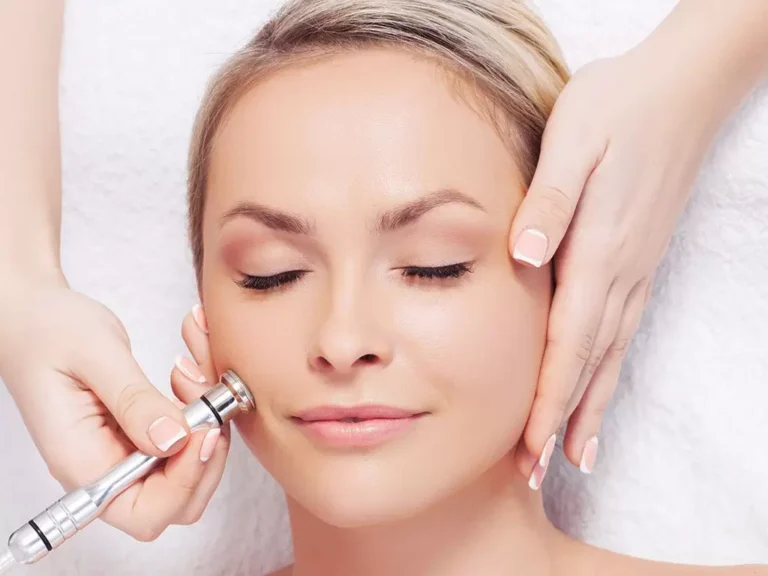
Golden Needle Reviews: Real Experiences in 2026
Are reviews of the "Golden Needle" treatment reliable? Why do most negative reviews stem from inadequate sessions, and how can you tell if someone is truly satisfied? Book an appointment in Caddebostan. -
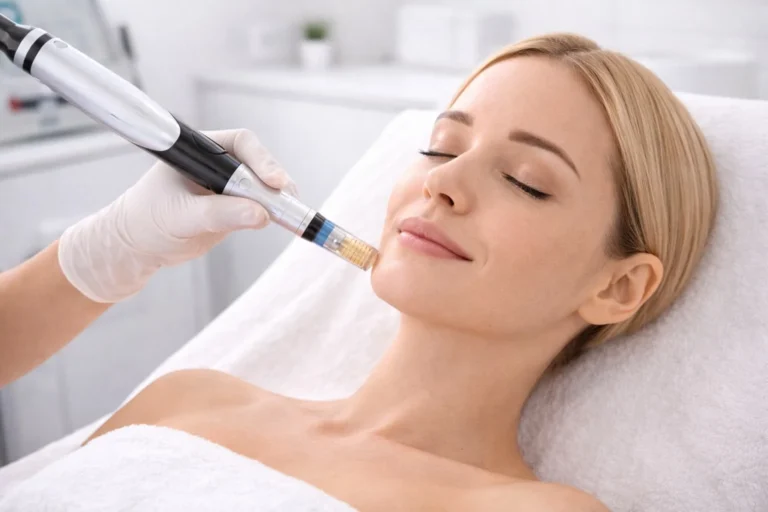
Post-Gold Needle Treatment: A 2026 Recovery Guide
How do you care for your skin after a gold needle treatment? Speed up healing by managing redness and scabbing and using sun protection—book your appointment at our clinic in Caddebostan.
 Türkçe
 English