


Are Medical Aesthetic Applications Permanent? Advantages and Realities of Temporariness
Highlights
- The meaning of the concept of "permanence" in medical aesthetics is being clarified.
- The reason why the applications are designed to be temporary is explained.
- Average durations by treatment are presented in a comparative format.
- Personal factors affecting retention are discussed.
"Understanding the Concept of "Permanence" Correctly: What is Permanence in Aesthetics?
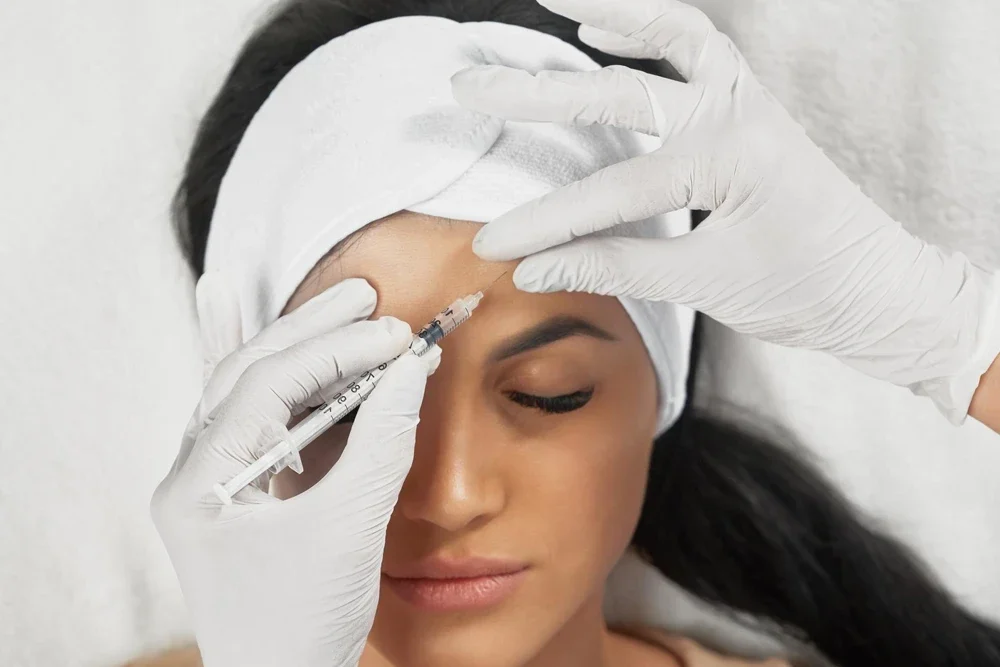
The most fundamental difference between medical aesthetics and plastic surgery lies in the concept of “permanence”. A surgical facelift or rhinoplasty physically alters the anatomy and the results are technically permanent (although the aging process continues). Medical aesthetics, on the other hand, makes temporary interventions in the physiology of the skin and tissues with “non-invasive” or “minimally invasive” methods. They relax muscles, add volume or trigger collagen production. The effect of these interventions ends when the material used is absorbed by the body or the biological effect diminishes over time. However, “not permanent” does not mean “ineffective”. Regular medical aesthetic applications slow down the aging process, making the person look much younger and more vigorous 10 years later than if they had never undergone any procedure.
Why are Medical Aesthetic Procedures Designed to be "Temporary"?
Many patients may think, “I wish I could have it done once and keep it for life”. However, from the point of view of medical ethics and aesthetic science, the temporary nature of the substances injected into our face is actually a necessity for the patient's safety and long-term aesthetic appearance. Here are the reasons:
1. Safety and Recyclability
The biggest advantage of temporary fillers (such as Hyaluronic Acid) is that they are fully compatible with the body and can be dissolved in an undesirable situation. “Permanent” fillers (silicone, etc.) used in the past could displace, harden or cause serious reactions after years and were very difficult to remove from the body. Temporary applications minimize the risks.
2. Adaptation to the Aging Process (Dynamic Anatomy)
Our face is not a static sculpture; it is a living, changing structure. Your 30-year-old bone structure, fatty tissue and skin will not be the same at 50. If you give your face a “permanent” shape at the age of 30, when you reach the age of 50, that area will remain fixed while the rest of your face ages, and an unnatural and strange appearance may appear. Temporary applications give your physician the chance to “revise” and “adapt” your face at any age according to the current condition of your face. This is the secret to looking natural at any age.
3. Adaptation to Changing Aesthetic Trends
Beauty perception and trends change over time. 10 years ago very thin eyebrows were in fashion, today thick eyebrows are in fashion, in the past very full lips were popular, today more natural lips are preferred. Temporary procedures give you the freedom to adapt to changing taste and fashion.
Let's Create Your Appointment Now
Leave your name and phone number and we will call you to discuss the right treatment and an appointment time.
Reach us by phone+90 532 336 52 00Treatment Based Permanence Periods: Which Procedure Lasts How Long?
Botox Muscle Rest Period (3-6 Months)
The most popular app Botox, temporarily interrupts the communication between the nerve endings and the muscles. As our body has a self-renewing mechanism, it develops new nerve endings over time and the muscle starts to move again. This process takes 3 to 6 months on average. In regular applications, this period may be slightly longer as the muscles become “lazy”.
Dermal Fillers Duration of Volume Preservation (9-24 Months)
Dermal fillers The hyaluronic acid used in fillers is broken down over time by the enzyme “hyaluronidase”, which is naturally present in our body. Permanence varies according to the technology of the filler (cross-link ratio) and the area where it is applied. While it dissolves in 9-12 months in very mobile areas such as lips, it can stay up to 18-24 months in areas such as temples, cheekbones or jawline.
Biostimulation (Mesotherapy and Youth Grafts): Investing in the Skin
Mesotherapy and the aim of the youth vaccines is to trigger the skin's own collagen production, rather than to give the skin an instant shape. The effect of these treatments is “cumulative”. When a course (3-4 sessions) is applied, the increase in skin quality and radiance continues for 6-12 months. However, since the aging process does not stop, this well-being should be maintained with maintenance sessions (e.g. every 6 months).
Thread Facelift (Suspension): Mechanical and Biological Effect (1-2 Years)
The threads (PDO, PLA, etc.) used in thread suspension methods mechanically lift the skin and stimulate collagen production as they dissolve under the skin. Although the threads themselves dissolve in 6-8 months, the lifting effect can continue for up to 1.5 - 2 years thanks to the collagen tunnels they create.
Laser Hair Removal: The Closest Application to the Definition of "Permanent"
The procedure with the highest claim of “permanence” in medical aesthetics laser hair removal. Because it destroys the hair roots, when a proper course (6-8 sessions) is completed, 80-90% of the hair disappears permanently. The remaining hairs grow back very weak. However, hormonal changes (pregnancy, menopause and so on) can reactivate dormant roots years later, so a yearly "reminder session" may be needed. On this subject, American Academy of Dermatology (AAD) institutions also define laser hair removal as “permanent hair reduction”, meaning that instead of a guarantee of complete “hairlessness”, a permanent reduction in density is promised.
Personal Factors Affecting Retention Period
It is not surprising that the results of two friends who have the same filler disappear at different times. Because permanence is strongly dependent on personal factors:
Metabolic Rate and Genetics
Some people's bodies metabolize hyaluronic acid or toxin faster than others (parts). The lifespan of fillers and botox may be slightly shorter, especially in individuals who are active in sports and whose metabolism works very fast.
Lifestyle (Sun, Smoking, Sports)
Free radicals are the biggest enemy of medical aesthetic procedures. Smoking, intense sun exposure, irregular sleep and poor nutrition increase oxidative stress in the body. This causes both the skin's own collagen and the injected filler to break down faster. Healthy living prolongs the life of your aesthetic investment.
Cumulative Effect of Regular Applications
This is good news. It has been clinically observed that people who undergo Botox or fillers on a regular basis (before the effects wear off completely), the duration of the procedure is prolonged over time. With Botox, the muscles weaken and “forget” to wrinkle, while fillers increase collagen production in the area, providing a permanent state of well-being.
Sustainable Beauty Planning at our Clinic in Kadikoy
Kadikoy‘At our clinic, we aim to offer our patients a “sustainable beauty plan” instead of “one-off” procedures. In a consultation with you, we will evaluate your budget, time and goals and create a calendar that determines which procedures we need to perform and how often. Our goal is not to change you, but to ensure that you look and feel your best at your age. Remember, medical aesthetics is a marathon, not a sprint. Regular and small touches always provide the most natural and lasting satisfaction.
Frequently Asked Questions
What is the difference in longevity between medical aesthetics and surgery?
A surgical facelift or rhinoplasty physically alters the anatomy, and the results are technically permanent. Medical aesthetics, on the other hand, involves temporary interventions in the physiology of the tissues.
Why is the effect ending?
Due to the body’s absorption of the material used or the gradual decline of its biological effect over time. Muscles are relaxed, volume is added, or collagen production is stimulated; all of these are temporary effects.
"Does "not permanent" mean "ineffective"?
No. Regular treatments slow down the aging process; 10 years later, a person looks more vibrant than they would have if they had never undergone any treatments.
Why is impermanence considered an advantage?
According to the article, the temporary nature of substances injected into the face serves as a protective factor in terms of patient safety and long-term aesthetic appearance.

You may also like
-

Medical Aesthetics in Autumn: Which Treatment When?
Why is autumn an easier time to plan medical aesthetics? Learn the seasonal timing of laser, gold needle and pigmentation treatments, and book in Caddebostan. -
Maintaining Skin Moisture Balance with Medical Aesthetics: “Oasis” Effect on Desertified Skin
Dr. Melis Ülger explains how skin moisture balance and water reserves are renewed with Medical Aesthetics with Hydrafacial in Kadıköy. -
Are There Side Effects of Medical Aesthetic Applications? Safe Beauty Guide
Are there any harm in medical aesthetic procedures? Dr. Melis Ülger explains the possible side effects of their applications, the difference in complications and procedure protocols.
 Türkçe
 English