





Lipstick After Lip Fillers: The 3-Day Rule
26/06/2026
Kissing After Lip Fillers: Wait 3 Days
30/06/2026Highlights
- Cosmetic filler treatments are generally not recommended during pregnancy.
- Changes in the immune response during pregnancy may increase the likelihood of unpredictable reactions.
- The same cautious approach applies during the breastfeeding period as well.
- The article discusses safe skincare alternatives that can be used during this period.
Pregnancy and Lip Fillers: A Safety Guide
Pregnancy is a “red line” period in the medical world, during which all types of medications and interventions are scrutinized to the highest degree. Under normal circumstances, lip filler The cross-linked hyaluronic acid we use in this procedure is a sugar derivative produced in a laboratory; it is safe and occurs naturally in the body. However, when it comes to a baby in the womb, medicine follows much stricter guidelines.
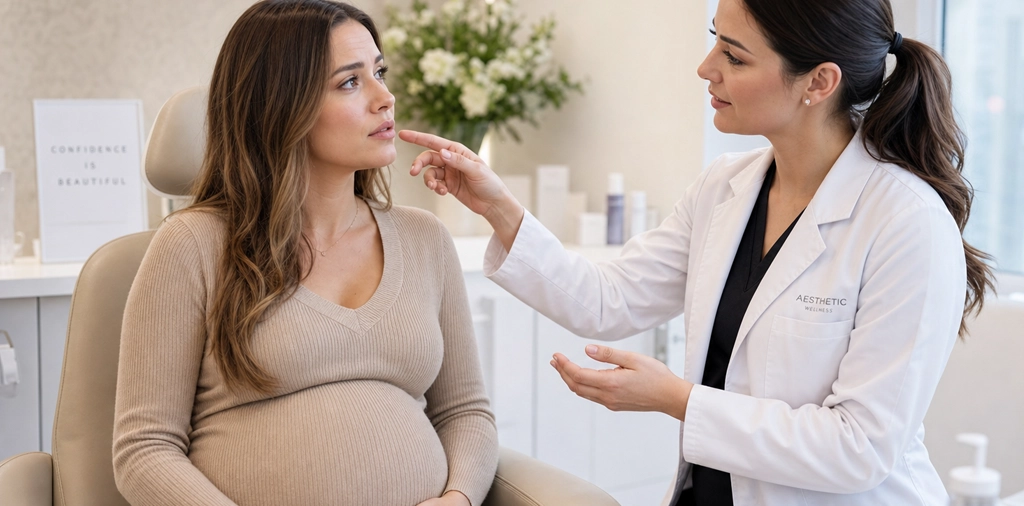
That's why Can you get lip fillers while you're pregnant? The clinical and ethical answer to this question is very clear: No. You should avoid this type of cosmetic procedure during pregnancy and while breastfeeding. (For those wondering about post-procedure guidelines: Things to consider after filling.) So what exactly are the medical reasons behind this clear-cut decision? Below, I will explain both the rationale and the safe alternatives one by one.
Why Are Dermal Fillers Not Recommended During Pregnancy?
There is no proven evidence that hyaluronic acid fillers in pregnant women have harmful (teratogenic) effects on the baby. However, this does not mean that the procedure is safe. Medicine does not say, “It is safe until proven harmful”; it says, “It should not be performed until its safety is confirmed.” The main reasons we should avoid filler injections during pregnancy are as follows:
- Lack of ethical research: İlaç firmaları, geliştirdikleri formülleri etik nedenlerle hamile kadınlar üzerinde test edemez. Dolayısıyla dolgunun plasentayı geçip geçmediğine dair “%100 güvenlidir” diyebilecekleri bir bilimsel veri havuzu yoktur.
- Swelling and deformity: During pregnancy, the body retains a significant amount of water. The results of dermal fillers injected into a face that is already swollen due to hormones will not be the same as they would be on a face with normal swelling. After childbirth, when the swelling subsides, the shape of the filler may become distorted and remain asymmetrical.
- Local anesthetic creams: There is a risk that strong anesthetic creams (such as lidocaine) applied to the lips before the procedure could enter the bloodstream and reach the baby. It is unnecessary to take this risk unless medically necessary.
- Medication restrictions: Normally, an allergy or infection related to a filling is treated with strong antibiotics or corticosteroids. However, most of these medications cannot be used during pregnancy; even a simple reaction can turn into a difficult-to-manage problem.
World Health Organization (WHO) International associations also strongly recommend postponing all non-medically necessary (elective) cosmetic injections during pregnancy.
Changes in the Immune System During Pregnancy and the Risk of Filler Allergies
Pregnancy is a unique stage marked by profound changes in the hormonal, circulatory, and immune systems. During this process, the immune system is naturally suppressed and becomes more sensitive in order to prevent the rejection of the baby.
This is why the risk of an allergic reaction to fillers—even to substances that normally cause no reaction—can increase many times over during pregnancy. Although hyaluronic acid is biocompatible, the cross-linking agents in its composition may be recognized as foreign bodies by a sensitized immune system, leading to delayed reactions (granulomas, inflammation). This is the main reason why we answer “no” to this question at our clinic: to protect the expectant mother from these unpredictable reactions.
Can You Get Lip Fillers While Breastfeeding?
One of the questions new mothers frequently ask is whether it is safe to get lip fillers while breastfeeding. Although there is no direct evidence that hyaluronic acid passes into breast milk, safety tests cannot be conducted on breastfeeding mothers due to ethical guidelines.
The fact that medications that could be used in the event of a possible allergy or infection (cortisone, antibiotics, etc.) are also limited during breastfeeding makes managing complications more difficult. To avoid putting the baby’s health at risk, the most appropriate medical approach is to postpone all elective medical aesthetic procedures until breastfeeding has completely ended. At our Caddebostan clinic, we never compromise on these safety standards.
What Are the Risks of Hyaluronic Acid During Pregnancy?
The risks associated with hyaluronic acid during pregnancy stem more from the unpredictability of the process than from the substance itself. Although hyaluronic acid is a natural substance, the body’s response to it becomes unpredictable due to the changing physiology of pregnancy.
The increased blood volume and tendency toward edema during this period cause post-injection swelling to be much more prolonged and uncomfortable. Furthermore, the limited treatment options available in the event of a potential delayed reaction make the situation even riskier. When all these uncertainties are considered together, the safest decision is to postpone the procedure.
Safe Skin Care Alternatives During Pregnancy
Avoiding procedures that involve injections doesn’t mean you can’t take care of yourself at all. Needle-free medical treatments can be safely chosen to maintain your skin’s moisture balance during pregnancy and while breastfeeding.
For example, the original Hydrafacial—performed under a doctor’s supervision—or clinic-grade superficial hydrating masks restore vitality and moisture to the skin without putting the health of the mother or baby at risk. These treatments are the safest medical alternatives to help you feel well-groomed and good about yourself during this special time.
Contact us
Create Your Appointment
Sun Protection Against Melasma
Due to increased levels of the hormone estrogen during pregnancy, the skin becomes extremely sensitive to the sun, and dark spots (melasma), commonly known as the “pregnancy mask,” may develop. Although injection-based treatments cannot be performed, it is entirely possible to prevent the development of these dark spots.
The most critical step is to use a sunscreen with a high SPF and a mineral filter every day, even when you’re indoors. These sunscreens protect your skin from UV rays while also helping to prevent dark spots. This way, you’ll maintain your skin tone throughout your pregnancy.
It’s a good idea to reapply sunscreen at least twice a day, and every two to three hours when you’re outdoors. Physical protective measures, such as a wide-brimmed hat and sunglasses, also help protect your skin during this time. Since treating melasma requires patience once it has set in, prevention is always easier and wiser than treatment. These simple habits ensure that your skin starts from a much healthier place after childbirth.
The Right Time: When Should You Schedule the Procedure?
Once you have completely finished breastfeeding and your body’s hormonal balance and immune system have returned to normal, you can safely begin lip filler treatments. There’s no need to rush; waiting for the right time ensures both safety and a more satisfying result. A few months postponed during motherhood is an extremely short period of time when you consider the safety of a look you’ll carry with you for the rest of your life.
During your initial clinical consultation, we’ll analyze your skin’s hydration levels and determine the most suitable hyaluronic acid brand and dosage plan for you. Once you’ve welcomed your baby and completed the breastfeeding period, we can schedule your session at the optimal time with your doctor’s approval. If you’re wondering about the swelling process after the filler treatment Swelling after lip fillers Our article will be informative.
What Kind of Changes Occur in the Lips During Pregnancy?
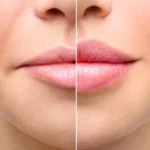
Many expectant mothers notice that their lips have already changed during pregnancy. Due to increased blood volume and hormonal changes, the lips may appear fuller for a time. This is a temporary and completely natural response of the body to pregnancy.
That is precisely why getting lip fillers during this period can be misleading; because you’re essentially trying to create a permanent look on top of a foundation that’s already in flux. Once this temporary fullness subsides after childbirth, the proportions of the lip fillers may look completely different. The healthiest approach is to wait for your body to return to normal to see the true, permanent shape of your lips.
Accurate Information Reduces Anxiety
The situation I encounter most often in this regard is expectant mothers worrying unnecessarily because of conflicting information they find online. In reality, however, the situation is clear: elective dental fillings are postponed during pregnancy and breastfeeding, and can be safely scheduled afterward.
If you became pregnant while you still had dermal fillers, there’s no need to panic; the existing hyaluronic acid will dissolve on its own over time and won’t harm the baby. The important thing is to avoid getting any new injections during this time and to discuss the situation with your doctor. Maintaining your skincare routine with non-injection methods during a healthy pregnancy keeps both you and your baby safe.
Safety Table for Fillers During Pregnancy and Breastfeeding
Our approach during this period is clear and cautious. The table summarizes the approach we have taken in each stage; in every case, the priority is the health of the mother and baby.
| Period | Approach | Reason |
|---|---|---|
| Pregnancy | Not recommended / postponed | There is insufficient security data |
| Breastfeeding | Not Recommended | A cautious approach is essential |
| After that | Scheduled evaluation | Once the tissue has stabilized again |
Frequently Asked Questions
Can you get lip fillers while you're pregnant?
No. Lip fillers are absolutely not administered during pregnancy in order to protect the baby’s health and prevent reactions caused by changes in the immune system.
Is getting dermal fillers during pregnancy harmful to the baby?
Although it has not been proven that the medication passes directly to the baby, the limited availability of medications that can be used during pregnancy in the event of a possible infection or allergy poses a risk to the baby.
Can I get lip fillers while breastfeeding?
Since the use of medications is limited during breastfeeding and safety testing is insufficient, it is recommended that these procedures be postponed until after the breastfeeding period has ended.
What are the risks of hyaluronic acid during pregnancy?
Risks include an excessive reaction to the filler material due to hormonal changes, excessive swelling, and the risk of an allergic reaction to the filler.
I found out I was pregnant right after getting fillers—what should I do?
Don't worry. Hyaluronic acid is a substance that occurs naturally in the body; it does not directly harm the baby. All you need to do is let your doctor know.

Appointment & Contact
Contact our clinic for reliable and personalized planning in medical aesthetic applications.
Write to Us
Let's Create Your Appointment Now
Application
Filling Application
You can have this procedure done at Dr. Melis Ülger’s office in Kadıköy Caddebostan.
Related Articles
 English