





Before Lip Fillers: Preparation Guidelines for 2026
10/08/2026
Mesotherapy Session Intervals and Treatment Schedule (2026)
11/08/2026Is Hydrafacial Safe During Pregnancy? What Should You Be Aware Of?
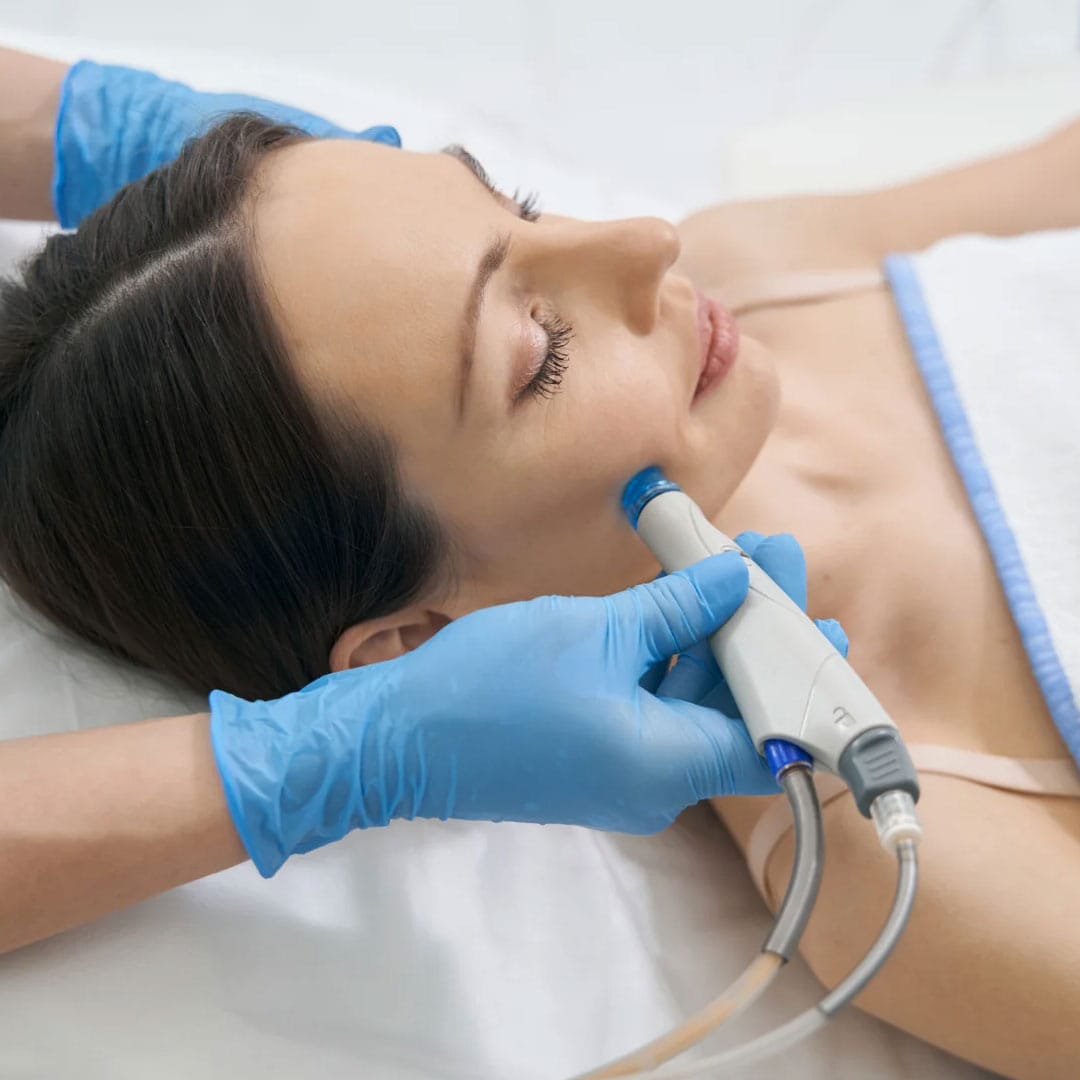
My favorite thing about the expectant mothers who come to my clinic is that they ask first. The question, “Can I get a HydraFacial while I’m pregnant?” tops my inbox during these months. My short answer is usually reassuring: since a HydraFacial is a needle-free, superficial treatment, it’s usually safe during pregnancy.
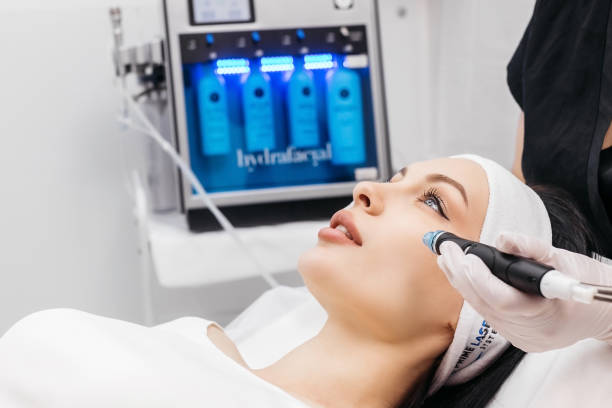
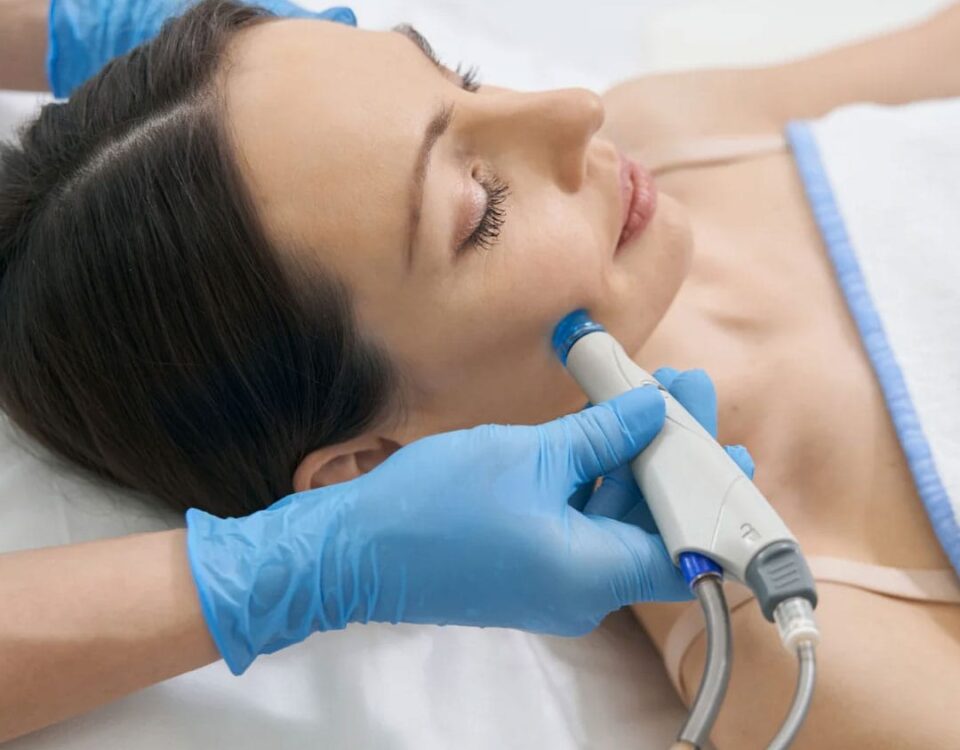
Hydrafacial is a skincare treatment that cleanses the skin using a stream of water and nourishing serums, working only on the surface without the use of needles. In other words, it does not inject any substances into the skin, nor does it penetrate deep into the tissue. However, “appropriate in most cases” does not mean “permitted under all circumstances”; there are a few details to consider, and you’ll need to clarify them with your doctor.
In this article, I’ll explain why this type of care generally doesn’t cause problems during pregnancy, which serums I avoid, and why your obstetrician’s approval is important. My goal isn’t to impose a definitive conclusion; rather, it’s to help you understand the process so you can ask the right questions of your own doctor.
Highlights
- Since the HydraFacial is a needle-free, superficial treatment, it can be safely chosen by many expectant mothers.
- Intensive serums containing high-concentration acid, retinol, and salicylic acid are excluded from the regimen during this period.
- Amerikan Dermatoloji Akademisi’ne göre melazma vakalarının yaklaşık %90’ı kadınlarda görülür; gebelik bu lekeyi tetikleyen en güçlü etkenlerden biridir.
- The decision is made on an individual basis following a skin analysis and approval from your obstetrician; every pregnancy is different.
- Rather than a firm promise, a cautious and straightforward plan is considered the best approach for both the mother and the baby.
Is Hydrafacial Safe During Pregnancy?
Let me answer directly: In most healthy pregnancies, a HydraFacial with a simplified formula is generally considered safe. This is due to the nature of the treatment. There are no needles, no chemical peels, and no substances that penetrate the skin. A water-based tip removes dead skin cells and surface impurities, and then gentle serums leave the skin hydrated.
Nevertheless, I don’t rush into things. Pregnancy is a time when the body’s rules are rewritten; that’s why I assess the skin and the overall course of the pregnancy before saying, “It won’t be a problem.” The first three months are a period during which many doctors exercise caution and postpone elective procedures. If there is a high-risk pregnancy, an active skin infection, or a recent complication, I prefer to postpone the session.
Why Does Skin Care Become More Challenging During Pregnancy?
Skin care during pregnancy proceeds differently than usual because hormones cause the skin to undergo significant changes. Rising levels of estrogen and progesterone can trigger oiliness and acne in some expectant mothers, while causing dryness and sensitivity in others. The same product may produce different results on the skin before and after pregnancy.
The most common condition I encounter is hyperpigmentation. Melasma, commonly known as the “pregnancy mask,” appears as dark patches on the cheeks and forehead.
American Academy of Dermatology‘ne göre melazma vakalarının yaklaşık %90’ı kadınlarda, özellikle doğurganlık çağındakilerde görülür. Aynı akademiye göre gebelikte melazma görülme sıklığı bazı gruplarda %50’ye kadar çıkabilir. Bu yüzden bu dönemde önceliğim leke oluşumunu tetiklememek ve cildi yormadan nemli tutmak.
Which Serums Should I Avoid During Pregnancy?
The power of HydraFacial lies in the serums it applies to the skin. This is where my pregnancy plan comes into play. Some active ingredients that benefit the skin during a standard session are removed from my list of preferences during this time. The goal is to carefully select every molecule that enters the skin without taking any unnecessary risks.
In general, I do not use high-concentration glycolic acid, salicylic acid, or retinol derivatives during pregnancy. There are concerns regarding the absorption of salicylic acid at high doses, and retinol is already a group of ingredients not recommended during pregnancy. Instead, I create a simple regimen using hyaluronic acid and gentle moisturizing ingredients. This way, the skin is cleansed and moisturized without being exposed to any controversial active ingredients.
| Contents | My Approach to Pregnancy | Reason |
|---|---|---|
| Hyaluronic acid | Used | A natural moisturizer found in the skin's structure |
| Gentle moisturizing serums | Used | Superficial effect, low risk |
| Salicylic acid (high dose) | Removed | Insufficient data on absorption and safety |
| Retinol / Vitamin A derivative | Removed | It is not recommended during pregnancy anyway |
| High-concentration acid peel additive | Postponed | Risk of irritation and staining |
Can I Get a Hydrafacial While Breastfeeding?
When it comes to HydraFacial treatments while breastfeeding, my approach is just as cautious as it was during pregnancy. Since it’s a superficial treatment and nothing is injected into the skin, I generally feel more at ease during the breastfeeding period. Still, I simplify the serum formulation here as well and remove any controversial active ingredients from the list to avoid any potential impact on breast milk.
New mothers’ skin often looks tired due to lack of sleep and hormonal fluctuations. Hydration and cleansing are beneficial for this type of skin. The decision is always personalized: we’ll evaluate your breastfeeding frequency, the condition of your skin, and—if applicable—your doctor’s advice together. Taking your time and proceeding at the right moment is the most peaceful approach.

Contact us
Create Your Appointment
A Safe Skincare Routine During Pregnancy
A session at the clinic isn’t enough on its own; the real difference lies in your at-home routine. Safe skincare during pregnancy actually comes down to a simple and consistent routine: a gentle cleanser in the morning, followed by moisturizer, and always sunscreen. In the evening, again, a gentle cleanse and moisturizer. There’s absolutely no need for a complicated array of products during this time.
Sun protection is the most critical part of this routine. Once melasma sets in, treating it requires patience, so prevention is much easier than treatment.
I recommend using a broad-spectrum product—preferably one with a mineral filter—every morning, and reapplying it every few hours on days when you’re outdoors for extended periods. Physical measures like hats and sunglasses also help protect your skin. This kind of skincare routine during pregnancy sets you up for a much better starting point after giving birth.
Why Is Your Obstetrician's Approval Important?
I’m familiar with skin conditions, but your obstetrician is the one who monitors your entire pregnancy. That’s why I always seek their input and approval before performing any elective procedures. In some pregnancies, high blood pressure, edema, or other conditions may become prominent; the doctor monitoring you is best suited to evaluate these.
This collaboration isn’t meant to slow anyone down—it’s meant to protect you. If your doctor says “it’s okay,” I’ll create a simple plan based on your skin analysis. We both share the same priority: you and your baby. I never deviate from this order of priority at my clinic, because aesthetics always comes second to health.
Which Transactions Are Postponed During This Period?
Not every treatment is as superficial as a HydraFacial. During pregnancy and while breastfeeding, I postpone any procedures that involve needles, injections, or strong chemicals. Botox, fillers, needle-based procedures, and deep chemical peels fall into this category. Since the safety of these treatments hasn’t been sufficiently tested during pregnancy, it’s best to wait.
In contrast, needle-free, superficial treatments with formulas that can be simplified are ideal for this time of year. If you’d like to learn more about the process and the reasoning behind it, what is hydrafacial my article, and the step-by-step maintenance routine hydrafacial skin care You can read my guide. If you're wondering what this treatment does for your skin, Benefits of HydraFacial My writing also serves as a guide.
How Do You Prepare for an Appointment?
Preparation is simple. Before your appointment, just let me know your gestational week, any special circumstances you may have, and your doctor’s opinion. Sharing the creams you’ve been using and anything else you’ve applied to your skin recently will help me create a safe treatment plan.
It’s enough for you to come to your appointment having washed your face with a mild cleanser. The treatment hydrafacial You can check it out on my services page, and let’s talk to see if it’s right for you Communication You can contact me through my website. During our first consultation, I’ll analyze your skin and create a personalized plan tailored to your stage of pregnancy.
| Period | The HydraFacial Approach | A Point I Noted |
|---|---|---|
| The first three months | It is usually postponed | I prefer to be cautious |
| The second and third quarters | It may be appropriate with a doctor's approval | The serum formula is simplified |
| Breastfeeding period | Mostly appropriate | Disputed assets are excluded |
Frequently Asked Questions
Can getting a HydraFacial during pregnancy harm the baby?
Since this is a needle-free, superficial procedure, no known direct harm has been identified. However, the serum composition is simplified, and the decision is made with your obstetrician’s approval. Because every pregnancy is different, a personalized assessment is essential.
Can I have a session during the first three months?
Many doctors exercise caution and postpone elective procedures during the first three months. I generally recommend waiting during this period as well. After the second three months, a simple protocol may be considered with the doctor’s approval.
Can pregnancy-related dark spots be treated with a HydraFacial?
HydraFacial cleanses and moisturizes the skin, but it does not permanently resolve melasma on its own. During this period, the main goal is to avoid triggering the formation of dark spots and to protect the skin from the sun. A long-term plan for treating dark spots is developed separately after childbirth.
What kind of content is being published during this period?
I do not use high-concentration glycolic and salicylic acids or retinol derivatives during pregnancy. Instead, I create a simple skincare routine using hyaluronic acid and gentle moisturizing serums. This way, the skin receives care without being exposed to controversial active ingredients.
Is it unsafe to get a skin care treatment while breastfeeding?
During breastfeeding, basic skincare routines are generally considered more comfortable; however, the products used are kept simple. We’ll review your breastfeeding frequency and the condition of your skin together. If you have any concerns, I recommend consulting your doctor.
Do I need to get permission from my doctor before my appointment?

Appointment & Contact
Contact our clinic for reliable and personalized planning in medical aesthetic applications.
Write to Us
Let's Create Your Appointment Now
Application
HydraFacial Treatment
You can have this procedure done at Dr. Melis Ülger’s office in Kadıköy Caddebostan.
Related Articles
 English