








Glutathione Therapy: Meet Your Body's “Master Antioxidant”
15/10/2025
Fillers and Botox: Which is Better for Your Wrinkles?
17/10/2025When Is The Right Time To Get Botox? A Guide According to Need, Not Age
The most popular application of the medical aesthetic world Botox One of the most common questions I hear is undoubtedly about timing: "What is the right age to start Botox?", "Is it too early?", "Am I too late now?". These concerns are extremely understandable, but in modern aesthetics, the answer to these questions is no longer hidden in a certain age.
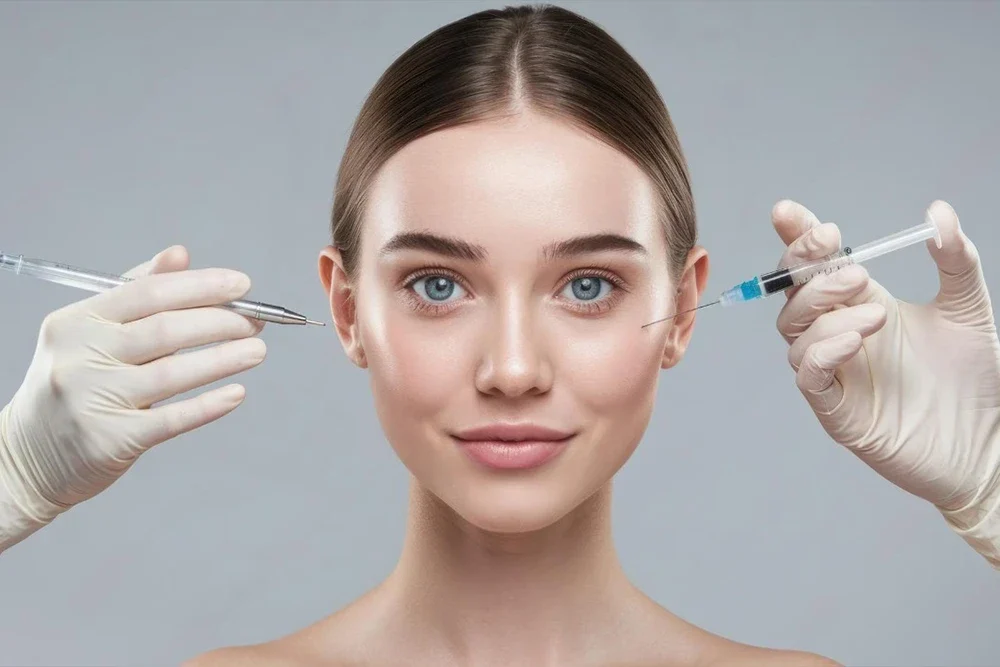
When Is The Right Time To Get Botox? A Guide According to Need, Not Age
The right time is hidden not in the calendar leaves, but in your skin's needs, your genetic makeup and your personal goals. As Dr. Melis Ülger, Istanbul, Kadikoy‘In this guide, I would like to explain in detail how I determine this “right time” for each of my patients and what you should consider when making this decision.
"The Myth of the "Right Age": Botox is a Need, Not a Number
First, let's break the biggest myth: There is no magical “right age” to start Botox. While it is possible for a 25-year-old person to have a deep line between the eyebrows due to very strong mimic muscles and genetic predisposition, it is also possible that another 35-year-old person does not yet have a distinct line. Therefore, the decision should not be based on your age, but on your reflection in the mirror. The key point is this: If the lines that form when you mimic (when you laugh, when you are surprised, when you get angry), i.e. “dynamic wrinkles”, are still there when you relax your face, i.e. if they give signals to turn into “static wrinkles”, it may be the right time to consider Botox.
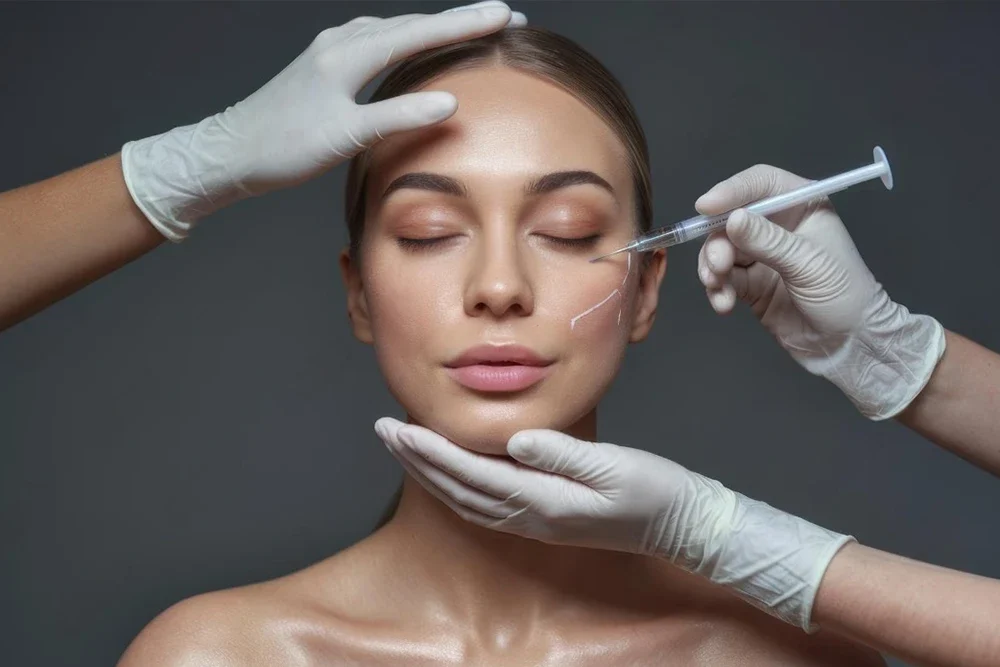
Timing #1: Botox by Different Age Groups
Each age group has different expectations from Botox and different treatment goals. Therefore, separating the approach according to age decades can help you understand the process better.
20s Preventive Botox (Prejuvenation)
In this age group, the goal is to “prevent” future wrinkles rather than treating existing ones. This proactive approach, called “prejuvenation”, is a wise investment, especially for people with genetically strong facial muscles. If a person with very strong frowning muscles has regular ’Baby Botox“ (very low doses of botox) in this area starting in their 20s, it prevents the skin in that area from wrinkling permanently. In this way, the deep ”11“ line is prevented from being permanently etched into the skin. It's like putting a protective varnish on a piece of furniture so that you don't have to sand it years later.
30s: Fighting and Protecting the First Lines
This is the most common decade in which many people are introduced to Botox. In the 30s, as collagen production slows down, dynamic lines become slightly visible even at rest. Crow's feet around the eyes become prominent and forehead lines deepen. Botox applied at this stage serves two main purposes:
- Correction: It allows these fine static lines to soften and become less noticeable.
- Protection: It prevents the lines from deepening and settling permanently on the skin.
40s and Beyond: Softening and Revitalizing Dynamic Lines
At this age, dynamic wrinkles are now well defined and static lines deepened. The aim of the treatment is to soften this settled expression and give the face a more rested, less tired and more positive appearance. At this age, Botox alone may not be sufficient and is often used to replace volume losses in the face. dermal fillers combined with other treatments such as Botox. Remember, it is never “too late” to start Botox. The goal is not to set you back 20 years, but to help you achieve the best and most vibrant version of your current age.
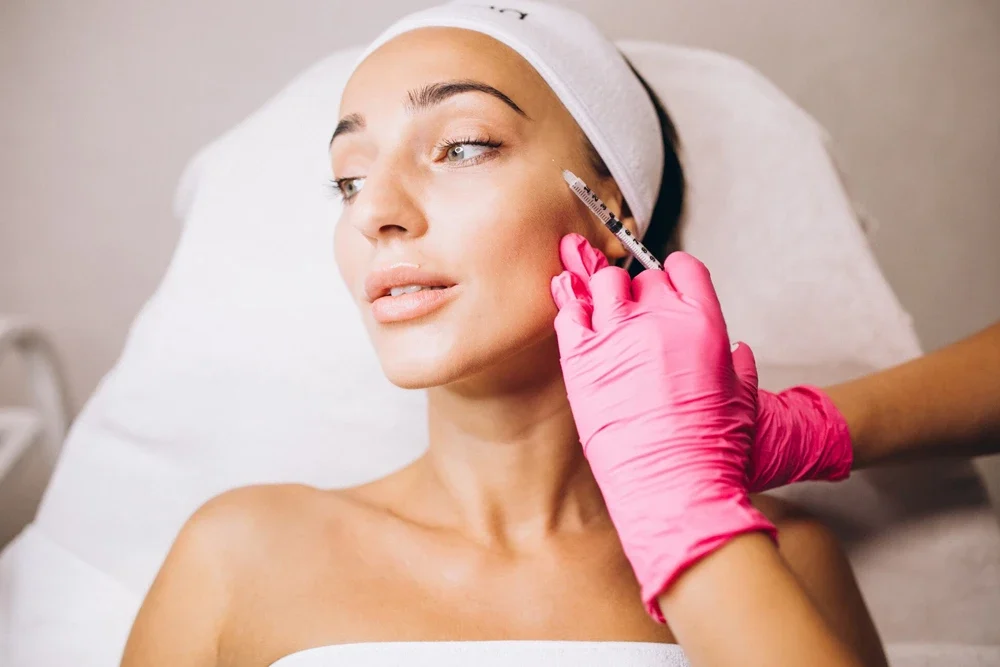
Timing #2: Seasonally Best Time
Botox is a treatment that can be safely applied in all seasons. However, some seasons may have their own advantages. The fall and winter months are generally popular times due to the calmer social calendar and the reduced effect of the sun. However, spring and summer are also great times for Botox. Especially in summer, we squint more due to the bright sun, which causes crow's feet to deepen. A Botox application around the eyes at the beginning of summer will prevent this involuntary squinting, making you feel more comfortable and preventing the formation of new wrinkles.
Timing #3: Strategic Planning before Special Events
It is natural to want to look your best before a special event such as a wedding, graduation, an important presentation or a vacation. However, timing is critical here. It takes about 2 weeks for the full effect of Botox to appear and take its final form. Therefore, the ideal timing is before your special event. at least 3-4 weeks ago is to have an application. This time allows enough time for the botox to fully set and, if necessary, for a follow-up appointment in the 2nd week and a tiny touch-up. Botox in the last few days before the event should be avoided.
Write to Us
Let's Create Your Appointment Now
When is the "Mentally" Right Time to Start Botox?
Beyond all these technical details, the most important “right time” is when you make this decision for yourself, consciously and with a sense of readiness. Not because of someone else's comments or societal pressure, but because the tired or irritable expression you see when you look in the mirror does not reflect the energetic and positive spirit within you, you are in the right place mentally to take this step. About the aging process of the skin and medical approaches to this process, Organizations such as the American Academy of Dermatology (AAD) sources of information can help you make this informed decision.
We Determine the "Right Time" for You Together in Our Clinic in Kadıköy
Kadikoy‘At our clinic in Istanbul, Turkey, the “right time” starts with a detailed consultation with you. I listen to you and analyze the muscular structure of your face, your mimic habits and the condition of your skin. Sometimes when a patient comes in for Botox, we find that their main problem is volume loss and they need more fillers, sometimes the opposite. My job is not only to perform the procedure you want, but also to draw the most accurate and effective road map for you. Maybe the time is not right for you yet, or maybe you should have started a few years ago. We can make this decision together in the light of science and the art of aesthetics.

 English