


The Role of Botox in the Treatment of Bruxism: Modern Solution to Jaw Pain

Highlights
- Bruxism is not just a habit; it is a condition that requires monitoring.
- The article discusses effects such as tooth wear and headaches.
- Masseter Botox targets excessive contraction of the chewing muscle.
- Both the therapeutic and aesthetic aspects of the treatment are evaluated together.
Although traditionally, methods such as night plaques have been used to alleviate the symptoms, modern medical aesthetics offers a highly effective and modern solution that gets to the root of this problem: Masseter Botox. Dr. Melis Ulger, Istanbul, Kadikoy‘at my clinic in, Botox‘s surprising yet successful therapeutic role and how it can bring comfort to your life.
What is Bruxism? Not Just a Habit, but a Health Problem
Bruxism is when a person involuntarily clenches, grinds or rubs their teeth together while awake (diurnal bruxism) or most commonly during sleep (nocturnal bruxism). The person is usually not aware of this action. The underlying causes can be complex and often more than one factor is involved:
- Stress and Anxiety: It is considered the most common trigger of bruxism. Tension during the day can be manifested by excessive contraction of the jaw muscles during night sleep.
- Sleep Disorders: It is closely related to other sleep problems such as sleep apnea.
- Malocclusion Malocclusion of the teeth or jaw.
- Lifestyle Factors: Excessive caffeine and alcohol consumption, smoking.
Bruxism should not be seen as a simple habit. If left unchecked, it can cause serious and cumulative damage to the body.

Damages of Bruxism to Your Body: From Teeth to Headache
The consequences of continuous and vigorous jaw clenching are wide-ranging:
- Tooth Damage Wear of the enamel, cracking, fracture and shortening of the length of the teeth. Teeth become increasingly sensitive.
- Jaw Joint (TMJ) Problems: Pain in the jaw joint, “clicking” sound, locking and difficulty opening and closing.
- Muscle Pain Diffuse and chronic muscle pain in the face, jaw, temples.
- Headaches Tension-type headaches, especially in the morning, radiating to the temples and forehead.
- Change in Face Shape: Hypertrophy is when the jaw muscles (masseter), which are constantly working, gradually enlarge (hypertrophy), like lifting weights in a gym. This causes the lower part of the face to widen and take on a harsh expression, the so-called “square face”.
Traditional Treatment Methods and Their Limitations
Traditionally, the most commonly used method in the treatment of bruxism is “night trays” that are individually prepared. These trays put a barrier between the upper and lower teeth, preventing the teeth from rubbing against each other and wearing down. This is an extremely useful and necessary step to protect the teeth. However, there is a limitation: Night plaque does not stop the clenching itself, i.e. the overactivity of the muscle. The muscle continues to clench the aligner throughout the night, which can cause muscle aches and headaches to persist.
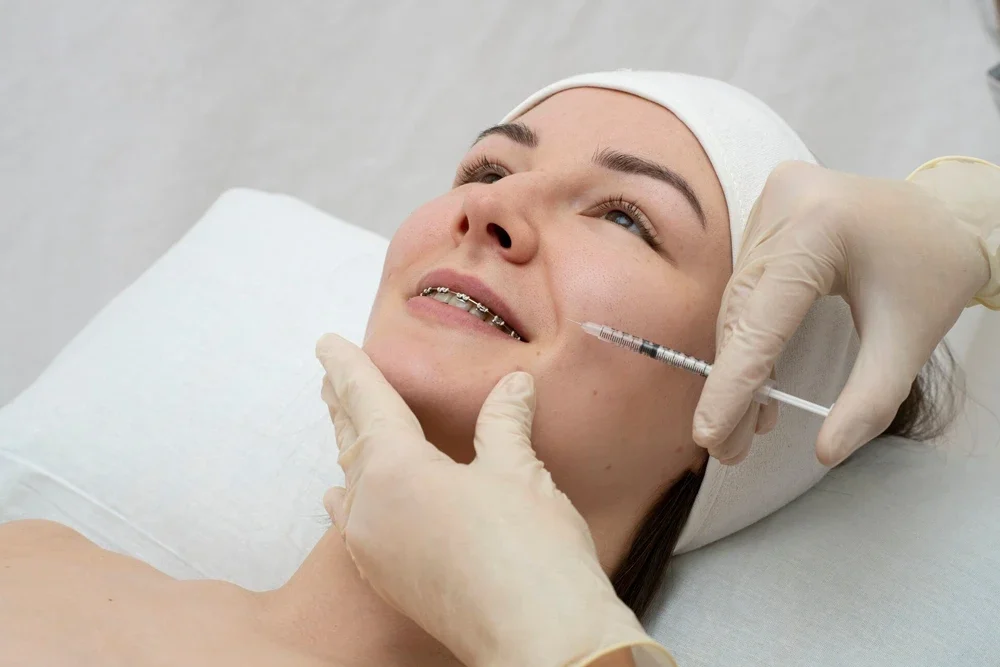
Masseter Botox A Revolutionary Approach in Bruxism Treatment
This is exactly where Botox comes in, at the source of the problem. Masseter Botox is a modern treatment method that complements traditional methods and directly targets muscle activity.
Target Muscle Masseter Muscle
The masseter is a very strong muscle located at the back-bottom of our cheek and is responsible for chewing. In patients with bruxism, this muscle works much harder than normal, both growing and remaining in a constant state of tension.
How Does Botox Work? Weakening the Source of the Problem
In masseter Botox, botulinum toxin is injected directly into this muscle at safe points determined by the physician. Botox temporarily weakens the nerve conduction that gives the muscle the command to contract. This does not mean that the muscle is completely paralyzed. Your normal voluntary functions such as chewing and speaking are not affected in any way. Only the involuntary, extremely strong and unconscious contractile activity of the muscle, especially during sleep, is significantly reduced. So Botox directly treats the source of the problem (excessive muscle activity) rather than masking the symptom (tooth wear).
Let's Create Your Appointment Now
Leave your name and phone number and we will call you to discuss the right treatment and an appointment time.
Reach us by phone+90 532 336 52 00Therapeutic and Aesthetic Benefits of Masseter Botox
One of the most beautiful aspects of this treatment is that it offers both health and aesthetic benefits with a single application:
- Therapeutic Benefits: Provides a significant reduction in jaw, face and headaches due to clenching. Protects teeth and jaw joint from further damage. Sleep quality can be improved.
- Aesthetic Benefits: The masseter muscle, which is prevented from overworking, returns to its normal size over time. This process of “atrophy” leads to a marked thinning of the lower part of the face. The angular and rigid facial line is transformed into a softer, more oval and more feminine V-shape.

Frequently Asked Questions: Masseter Botox and Bruxism
- Is the procedure painful and how long does it take?
The procedure is a very fast application that takes 5-10 minutes in total for both cheeks. Since very fine needles are used, the pain felt is minimal.
- Will my chewing function be affected?
No, no, no, no. With the right dose and the right technique, your normal chewing function is not affected. Only your excessive and involuntary clenching force is reduced.
- When will I see the effect and how long will it last?
The reduction in pain is usually felt within 1-2 weeks. The full effect of facial thinning may take 4-6 weeks depending on the gradual shrinkage of the muscle. The effect lasts for an average of 4-6 months. With regular applications, the duration of effect may be prolonged as muscle strength decreases.
Bruxism is an important health problem that needs to be treated. For more detailed information on this subject, Institutions like the Cleveland Clinic sources also emphasize the seriousness of bruxism and its treatment options. If you suffer from the pain and aesthetic concerns caused by clenching, we invite you to contact us for information about this modern and effective treatment. Kadikoy‘I look forward to seeing you at my clinic in Istanbul.

Contact Now for a Holistic Approach to Your Health
As Dr. Melis Ülger Clinic, we closely follow current and reliable methods in medical aesthetics and brow lift applications. We are at your side to achieve the most suitable, natural and balanced results for your facial features. We offer non-surgical, effective and safe solutions with customized protocols. For more information and questions you can contact us.- 📞 +90 532 336 52 00 call us at
- 💬 Write on our WhatsApp line
- 📍 Check out our contact page
Application
Botox Treatment
You can have this procedure done at Dr. Melis Ülger’s office in Kadıköy Caddebostan.
Frequently Asked Questions
What is bruxism?
It refers to the involuntary clenching, grinding, or rubbing of the teeth while awake or, as is most commonly observed, during sleep. The person is usually unaware of this action.
What are the causes of teeth grinding?
Generally, multiple factors play a role. Stress and anxiety are considered the most common triggers; they are closely linked to sleep disorders such as sleep apnea. Malocclusion (misalignment of the teeth or jaw) and excessive consumption of caffeine, alcohol, and tobacco also contribute.
What problems can it cause if left untreated?
Wear on tooth enamel is accompanied by increased sensitivity, as well as cracking, fracturing, and shortening of the teeth. Pain, clicking sounds, and locking of the jaw joint may occur. These symptoms are accompanied by chronic muscle pain in the face, jaw, and temples, as well as tension-type headaches that are particularly noticeable in the morning.
Does teeth grinding change the shape of your face?
It can change. The masseter muscle, which is constantly active, gradually grows larger, just like a muscle that is worked with weights. This hypertrophy causes the lower part of the face to appear more angular and wider.
What is Botox doing in this table?
While traditional methods, such as a night guard, aim to alleviate symptoms, masseter Botox addresses the problem at its source by reducing the strength of the overactive muscle. This is effective for both functional complaints, such as jaw pain, and for reducing lower facial width.

You may also like
-
What to Do If Swelling After Botox Doesn’t Go Away
How long does swelling after Botox last, and which signs call for a doctor? Learn the difference between normal edema and persistent swelling, and book from Caddebostan. -

Botox Reviews: Real Patient Experiences
How do Botox patients describe the process? First-session expectations, concerns about looking natural and frequently asked questions from Dr. Melis Ülger’s clinic. -
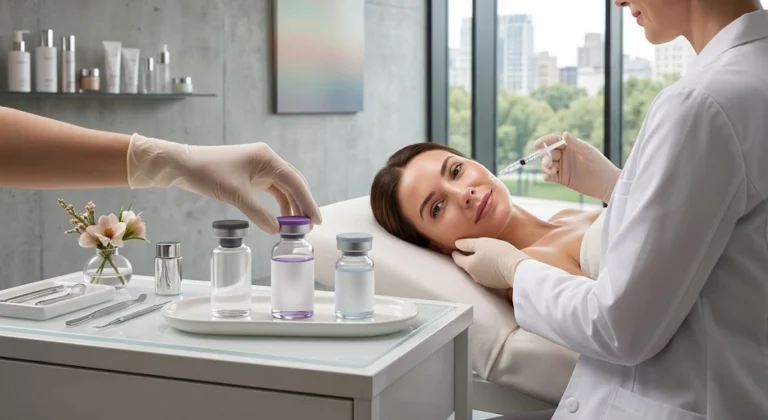
Botox Brands: The Difference Between Botox, Dysport, and Xeomin
Botox Brands: What’s the difference between Botox, Dysport, and Xeomin? Dr. Melis Ülger explains the active ingredient, unit dosage, and onset of action.
 Türkçe
 English