









Immune Booster Serum: Your Body's Shield Against Diseases
30/09/2025
All About Lip Fillers: Natural and Attractive Lips
02/10/2025Are There Side Effects of Botox?
Botox, one of the most popular and effective applications of medical aesthetics, provides millions of people with a more youthful and rested appearance. However, the flip side of this popularity is the information pollution about the treatment and most of all the concerns about its "side effects".
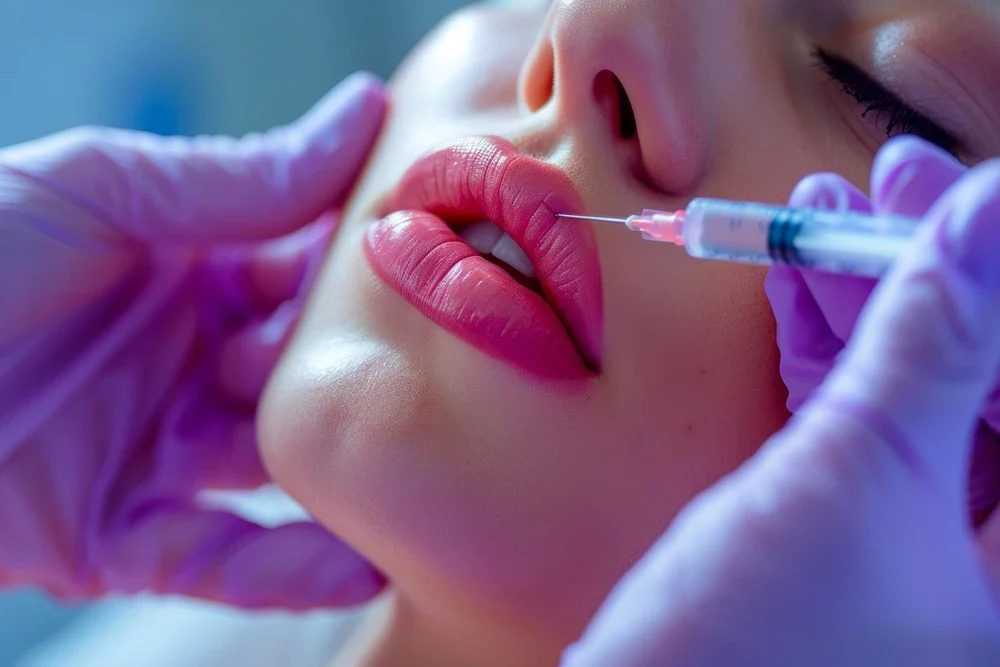
Are There Side Effects of Botox?
The most basic question in the mind of every patient considering Botox is this: “Is this procedure safe? Does it have any side effects?” As Dr. Melis Ülger, Istanbul, Kadikoy‘I face this question every day in my clinic in Istanbul, Turkey and I believe that my most important duty is to provide my patients with transparent, honest and scientific information. The short answer to this question is this: Yes, like any medical procedure, Botox has potential side effects. However, the vast majority of these side effects are mild, temporary and, most importantly, largely preventable when administered by the right specialist. This guide is designed to help you understand the potential side effects of Botox in full clarity.
Is Botox a Safe Treatment? Scientific Perspective
First of all, it is necessary to see the big picture. Botulinum toxin, the active ingredient of Botox, has been used in the medical world for more than 40 years not only for aesthetic purposes but also in the treatment of a wide range of neurological diseases such as strabismus, migraine and cerebral palsy. It received FDA (US Food and Drug Administration) approval for cosmetic use in 2002 and since then millions of doses have been safely administered around the world. This long history shows how high the overall safety profile of the drug is when used in the right doses and with the right techniques. Side effects are usually related to the administration technique and dose rather than the drug itself.
Common, Mild and Transient Side Effects
This group is the most likely conditions that patients may encounter after Botox, but which usually resolve spontaneously within a few hours or a few days:
- Redness and Swelling at the Injection Point: As can occur after any needle procedure, a slight redness or tiny blisters may appear at the injection points. This usually disappears completely within 1-2 hours.
- Slight Bruising (Ecchymosis): Our face is covered with very thin capillaries. If the tip of the needle hits one of these invisible vessels during the application, a bruise the size of a pinhead may occur. This is not dangerous and will turn yellow in a few days.
- Mild Headache: Some people who have Botox for the first time, especially between the forehead and eyebrows, may feel a slight headache in the first 24 hours after the procedure. This is part of the process of the muscles adapting to their new condition and can usually be controlled with simple painkillers.
Rare but Important Side Effects
These side effects are almost always caused by errors in the application technique or the patient's failure to follow the post-procedure rules. Most importantly, all of these effects occur within 3-6 months, the duration of Botox's effect. completely recovered, so they are not permanent.
Asymmetry An Unbalanced View
After administration, for example, one eyebrow may be raised more than the other. This occurs when the drug is injected in unequal doses on the two sides of the face or at different muscle points. This can be easily corrected at the follow-up session in week 2. Your doctor will make a small additional dose on the side that lifts less to restore the balance.
Low Eyebrow or Eyelid (Ptosis): The Most Feared Complication
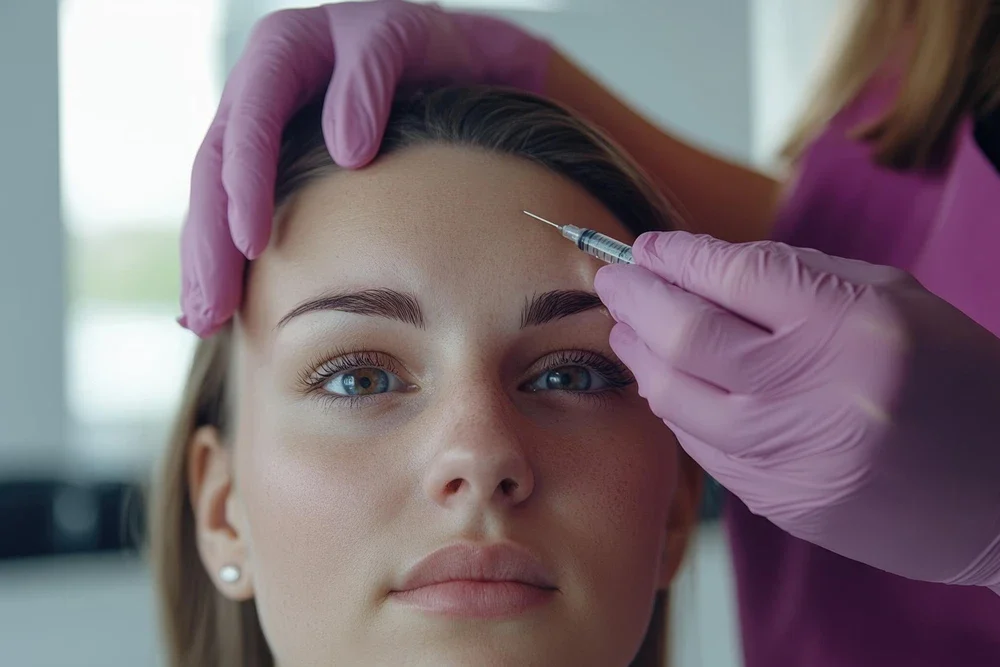
This is the most worried side effect. It occurs when the Botox injected into the forehead or between the eyebrows overflows beyond the targeted muscles and reaches the “levator” muscle that lifts the eyelid. This causes a feeling of heaviness in the eyelid and a slight drooping of the lid. The cause of this side effect is almost always the injection of the medication in the wrong spot or too deep, or the patient leaning/stretching forward in the first 4-6 hours after the procedure. Although this is extremely uncomfortable, it is not permanent and resolves completely as the Botox wears off (usually within 4-8 weeks). In addition, symptoms can be alleviated during this period with special eye drops.
Zinc Essential Mineral to Fight Infections
Zinc is the “communication” mineral of the immune system. It is essential for immune cells to develop, communicate with each other and function properly. Even a mild zinc deficiency can significantly reduce the body's ability to respond to infections. Zinc administered by IV quickly replenishes this deficiency.
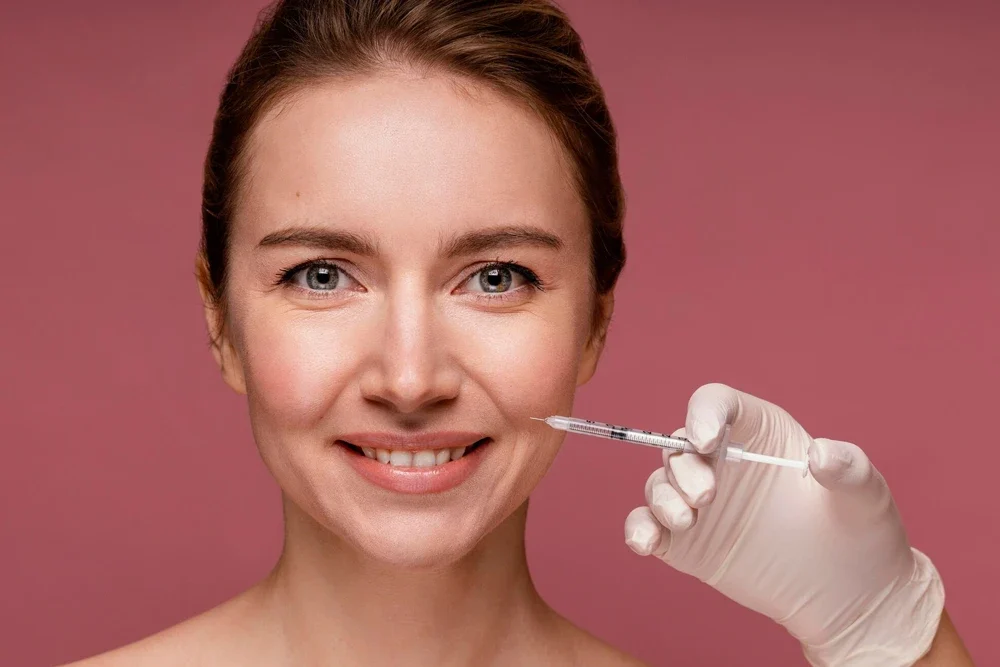
"Spock Brow": An Artificial and Confused Expression
This occurs when the middle part of the forehead muscle (frontalis) is completely relaxed but the lateral parts are left free. Only the outer parts of the eyebrows lift upwards, giving the person a permanently confused and artificial expression. Just like asymmetry, this condition can be easily corrected with a very small dose of Botox to the side of the muscle that pulls the eyebrows upwards at the 2nd week follow-up appointment.
The Golden Rule to Minimize the Risk of Side Effects: Choosing the Right Expert
All the rare side effects listed above have a common denominator: Almost all of them are directly related to the practitioner's experience, anatomy knowledge and technique. Choosing the right medical aesthetic specialist is the biggest precaution you can take against the risk of side effects. A physician who knows the complex muscle structure of the face, which muscle makes which movement and the balance of these muscles with each other minimizes these risks by injecting the injection at the right point, at the right depth and at the right dose.
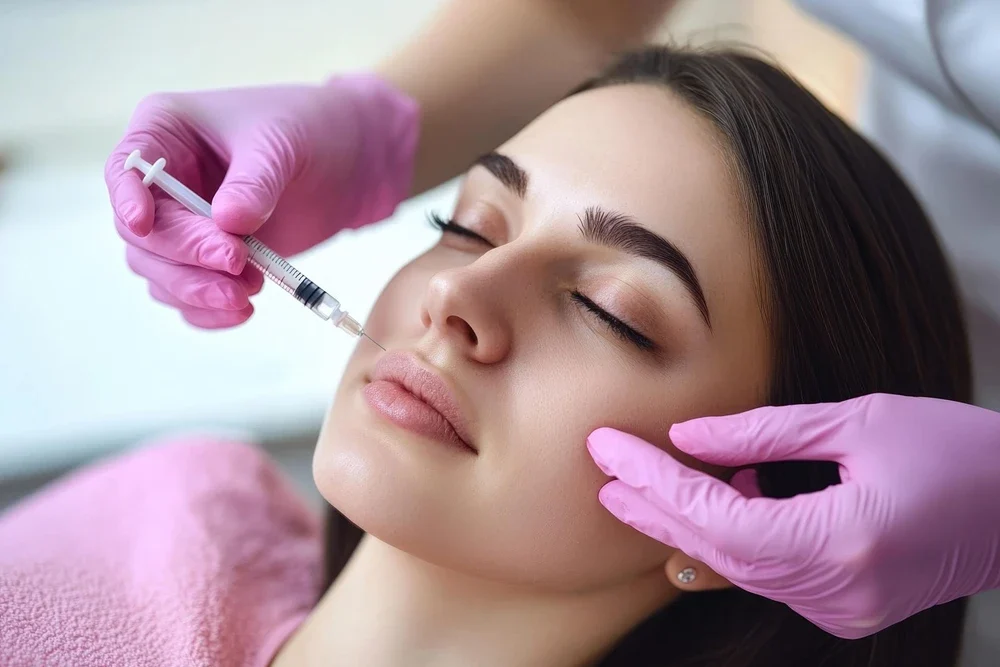
Are Systemic Side Effects Possible?
After Botox is applied for cosmetic purposes, it is extremely rare for the drug to enter the bloodstream and affect muscles in other parts of the body (such as difficulty swallowing, shortness of breath). Such systemic side effects have usually been reported in the treatment of neurological diseases where very high doses are used or in cases where counterfeit, unapproved products are used. With the low doses and approved products used in cosmetic dermatology, this risk is considered to be almost zero. About the risk profile of the treatment, Institutions such as the US National Library of Medicine (MedlinePlus) also provides detailed information.
Write to Us
Let's Create Your Appointment Now
Our Security Protocol at our Clinic in Kadikoy
Kadikoy‘At our clinic in Istanbul, patient safety comes first and foremost. Here are the protocols we follow for a safe treatment process:
- A detailed medical history assessment and facial analysis tailored to each patient.
- Use only genuine, Ministry of Health-approved and cold-chain protected products.
- “Personalized dose planning aiming to achieve the most natural result with the philosophy of ”less is more".
- Perfecting the result by scheduling a free follow-up session at week 2 for all our patients.
- Detailed information about the rules to be followed after the procedure.
In conclusion, Botox is an extremely safe treatment when performed in expert hands. The important thing is to choose the right guide, i.e. the right physician, when embarking on this journey.

Contact Now for a Holistic Approach to Your Health
As Dr. Melis Ülger Clinic, we closely follow the effects and reliability of the most up-to-date methods in Botox applications and the importance of personalized protocols. Inspired by real experiences, we are here for you to achieve the healthiest and most natural results. You can contact us for all your questions, we can plan the right applications for you together.
 English