







How to Remove Skin Blemishes? Solution with Mesotherapy
How to Remove Skin Blemishes? Solution with Mesotherapy
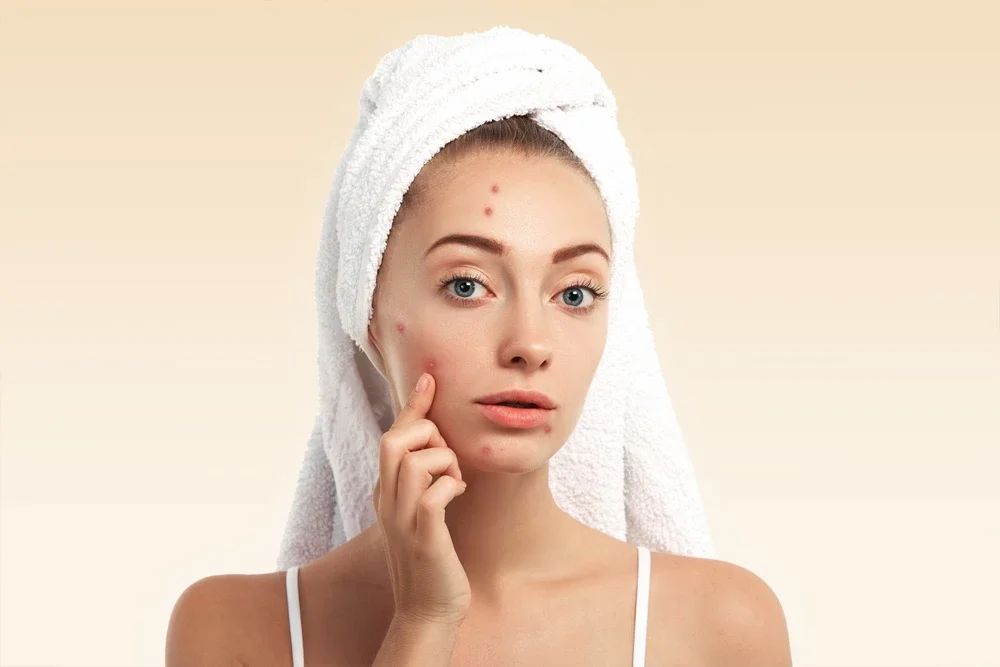
Skin blemishes are an aesthetically disturbing problem defined as skin tone irregularities and color differences. Many factors, from the harmful effects of the sun to hormonal changes, from acne scars to aging, can lead to skin blemishes. These spots can affect a person's self-confidence and cause a more tired, older appearance. Although there are many creams and products on the market, professional medical aesthetic applications offer more permanent and effective solutions in the fight against skin blemishes.
How to Remove Skin Blemishes? Solution with Mesotherapy
Mesotherapy, one of these applications, is a promising option for the removal of skin blemishes. But why do skin blemishes occur, how are they treated with mesotherapy and what else should you know about this method? In this article, we will examine in detail the causes of skin spots, the role of mesotherapy in spot treatment and other effective methods.
1. Why Do Skin Blemishes Occur? Main Causes
Skin blemishes are caused by an irregular accumulation of the pigment melanin, which gives the skin its color. There are many reasons for this irregular melanin production.
Sun Damage and UV Rays (Melasma, Sun Spots):
The sun's ultraviolet (UV) rays stimulate melanin-producing cells (melanocytes) in the skin, causing excessive melanin production. This triggers the formation of sunspots (lentigo solaris) or freckles, especially on areas most exposed to the sun, such as the face, hands and décolleté. The sun also has a great effect on the formation of melasma (sun spots, pregnancy spots).
Hormonal Changes (Pregnancy Spots, Birth Control Pills):
Especially in women, fluctuations in the hormones estrogen and progesterone can trigger the formation of skin blemishes. Melasma (pregnancy mask) during pregnancy, use of birth control pills or hormone replacement therapies are common causes of such blemishes.
Pigmentation After Inflammation (Acne Scars, Scars):
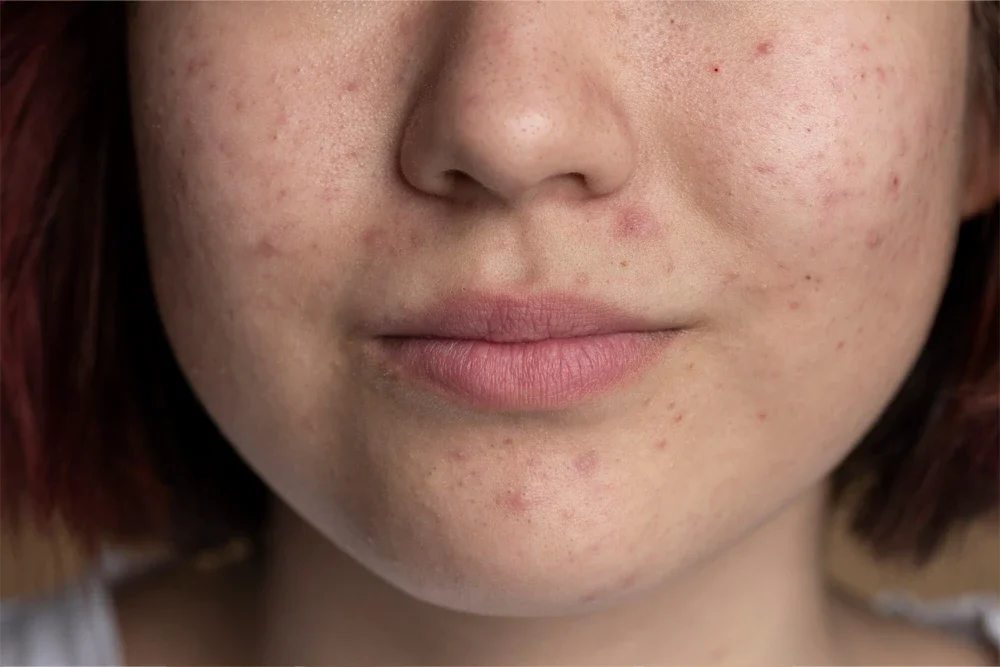
Any inflammation of the skin (such as acne, eczema, wounds, burns, mosquito bites) can leave behind a dark spot after healing. This condition is called post-inflammatory hyperpigmentation (PIH) and is associated with excessive melanin production during the skin's self-healing process.
Aging Process and Genetic Predisposition:
With age, the distribution of melanocytes in the skin becomes uneven and melanin accumulation increases in some areas. This leads to the appearance of dark brown spots, known as age spots. Some people may also be genetically more prone to spot formation.
Drugs and Chemicals Used:
Some medications (e.g. tetracyclines, antidepressants) can increase the skin's sensitivity to the sun and trigger spot formation. Some chemicals in perfumes or cosmetics can also cause skin blemishes when exposed to the sun (photosensitivity).
2. What is Mesotherapy for Skin Blemishes and How Does It Work?
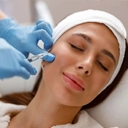
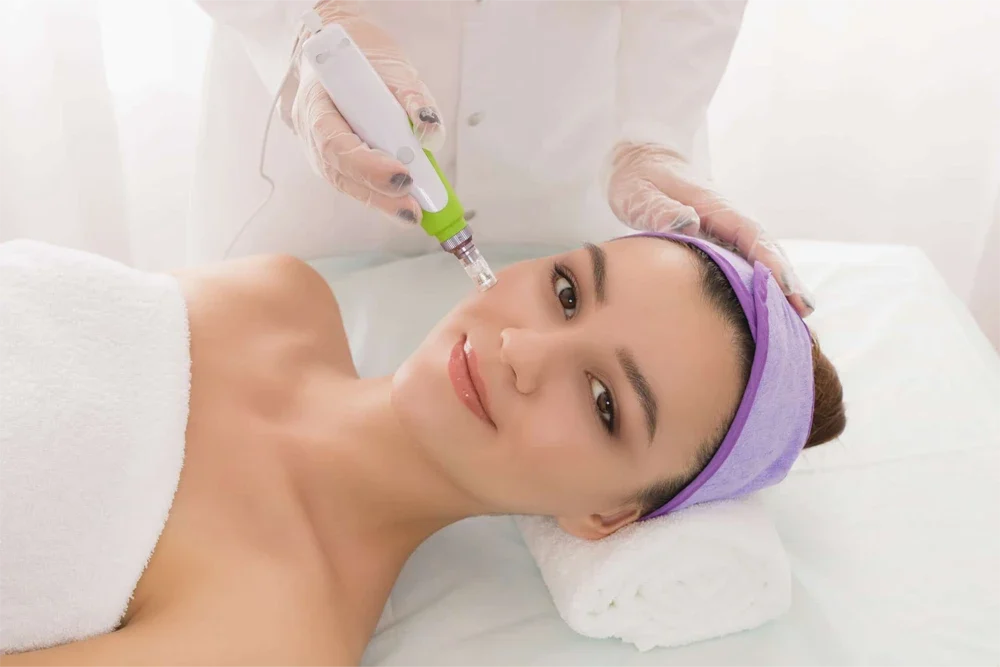
Mesotherapy is the process of injecting special cocktails of vitamins, minerals, amino acids, antioxidants and other active ingredients directly into problem areas of the skin with very fine needles. In spot treatment, these cocktails contain substances that suppress melanin production and regenerate the skin.
Basic Principle of Mesotherapy:
Mesotherapy allows active substances to reach directly to the targeted skin layer (mesoderm), providing faster and more effective results than systemic products. This method activates the skin's self-renewal mechanisms and promotes healing at the cellular level.
Ingredients of Mesotherapy Cocktails Used in Spot Treatment:
Mesotherapy cocktails used for skin blemishes contain special ingredients with spot lightening and skin regenerating properties:
Vitamin C and Glutathione:
Mesotherapy cocktails used for skin blemishes contain special ingredients with spot lightening and skin regenerating properties:
Tranexamic Acid
It is a substance that has been shown to be particularly effective in melasma treatment and suppresses some cellular mechanisms that trigger spot formation.
Peptides and Growth Factors:
It supports skin regeneration and repair, helping to reduce the appearance of blemishes and even skin tone.
Arbutin, Kojic Acid, Niacinamide:
Other active ingredients known for their stain lightening properties.
The Scientific Approach of Mesotherapy to Skin Blemishes:
Mesotherapy aims to regulate melanocyte activity in the upper layer of the skin (epidermis) and underneath (dermis). The substances in the cocktail act by suppressing melanin synthesis, regulating the distribution of existing melanin and accelerating the regeneration of skin cells. In this way, dark spots are lightened and skin tone becomes more homogeneous. At the same time, the overall quality of the skin is improved.
3. Benefits of Mesotherapy for Skin Blemishes
Mesotherapy for skin blemishes not only reduces the appearance of blemishes, but also provides many positive effects on the overall health and aesthetics of the skin.
Significant Reduction in Blemish Appearance:
The most important benefit of mesotherapy is that it provides a visible lightening in the color of different types of spots such as sun spots, age spots, melasma and post-acne scars. With regular sessions, the prominence of the spots decreases.
Elimination of Skin Tone Unevenness:
Color differences in different areas of the skin can be minimized with mesotherapy. The treatment helps the overall tone of the skin to become more even and homogeneous, resulting in a brighter complexion.
Increased Skin Brightness and Vitality:
The vitamins and antioxidants in mesotherapy cocktails improve skin nutrition and cellular metabolism. This contributes to the skin looking more radiant, vibrant and refreshed.
Supporting Collagen Production and Skin Quality Improvement:
Micro-injections during the application trigger the skin's self-repair mechanisms and stimulate collagen production. This improves overall skin quality by increasing skin elasticity and firmness and reduces the appearance of fine lines.
Minimally Invasive and Safe Practice:
Mesotherapy is a safe and comfortable option for skin blemishes because it is not a surgical procedure, the recovery time is short and the risk of side effects is low.
4. Who Can Have Mesotherapy for Skin Blemishes? Ideal Candidates
Mesotherapy for skin blemishes can be a suitable treatment for many people with certain skin problems and in good general health.
People with Sun Spots and Age Spots:
Sun-induced freckles, lentigo solaris (sun spots) and brown spots that appear with age can be targeted with mesotherapy.
People with Melasma (Pregnancy Spots) Problems:
Mesotherapy can be an effective supportive treatment for melasma, which occurs due to hormonal factors and is difficult to treat, especially with cocktails containing tranexamic acid.
Those with Pigmentation Scars After Acne:
Dark scars (PIH) that remain after acne has healed can be lightened with mesotherapy to help even out skin tone.
Those with uneven skin tone:
People with a general dullness, dullness or color inequality in their skin can achieve a more homogeneous and luminous skin tone with mesotherapy.
Unsuitable Conditions (Contraindications):
Mesotherapy is not suitable for pregnant or breastfeeding women, people with active skin infections or inflammation, people with clotting disorders or taking blood thinners, cancer patients and people with allergies to the substances used. As always, a detailed assessment by a qualified physician is essential before starting treatment.
5. Mesotherapy Application Process, Sessions and Aftercare
Mesotherapy for skin blemishes is a process performed by a specialist physician in a clinical setting.
Preliminary Evaluation and Stain Analysis:
Before starting treatment, the physician performs a detailed skin analysis to determine the type, depth and cause of the spots on the skin. The patient's medical history, medications and allergies are questioned. According to this information, a personalized mesotherapy cocktail and session plan is created.
Application Technique and Pain Sensation:
The application area is cleaned and sterilized. Local anesthetic creams can be used to reduce pain. Using very fine-tipped mesotherapy needles or a special injection gun, a specially prepared cocktail is injected in small doses under the skin in the areas with skin blemishes. The procedure usually takes 15-30 minutes. The pain felt is usually minimal and may be a slight stinging or tingling.
Recommended Number and Frequency of Sessions:
Usually more than one session is required to get optimum results from mesotherapy in spot treatment. Depending on the type and depth of the skin blemish and the response of the skin to the treatment, a course of 4 to 8 sessions is applied on average. Sessions are usually held once a week or every two weeks.
Things to Consider After the Procedure and Sun Protection:
Slight redness, swelling or bruising may be seen on the skin after the application, but these usually disappear in a short time. Make-up should not be applied for at least 24 hours after the procedure, the application area should not be touched with water and should be protected from direct sunlight. Sun protection is also vital for the success of spot treatment after the procedure. High-factor sunscreen creams should be used regularly and protective measures such as hats and sunglasses should be taken. Special spot lightening or moisturizing creams recommended by your doctor may also support the treatment.
6. Other Effective Methods for Skin Blemishes
Although mesotherapy is an effective option for skin blemishes, in some cases it can be combined with other methods or different treatments can be preferred for different blemishes.
Laser Treatments (Q-Switched, Fractional Lasers):
Laser treatments are very effective especially for deep and stubborn types of spots (melasma, age spots, sun spots). The laser beam targets the melanin pigment and breaks it down. Q-Switched lasers are used for pigment spots and fractional lasers are used for both spots and skin renewal.
Chemical Peels
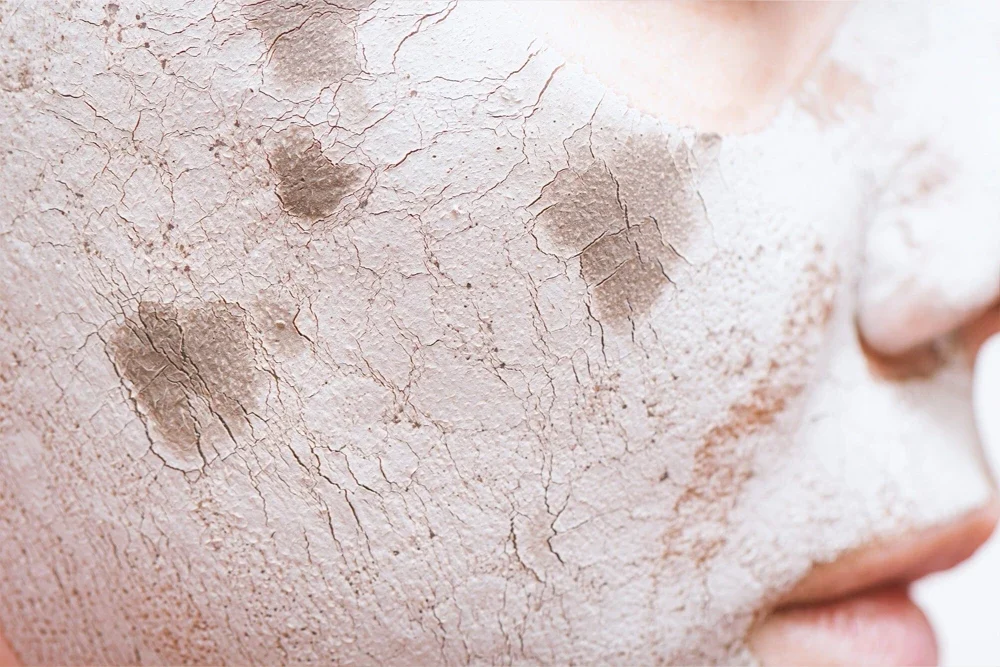
It is the process of peeling the upper layers of the skin by applying different acids (such as glycolic acid, salicylic acid, TCA) to the skin in a controlled manner. Stained skin cells are removed and new, less pigmented cells are allowed to emerge. Superficial, medium or deep peels can be applied depending on the depth of the blemishes.
Professional Skin Care and Dermocosmetic Products:
Professional skin care and home dermocosmetic products containing active ingredients (such as vitamin C, retinol, arbutin, niacinamide) can be effective for light spots or play a supportive role in other treatments.
Combined Treatment Approaches:
For the most stubborn and complex spots, a single method is usually not enough. Personalized treatment protocols combining mesotherapy, laser, peeling and professional products provide more effective and permanent results. The specialist will determine the most appropriate combination according to the condition of the skin.
Write to Us
Let's Create Your Appointment Now
How to Remove Skin Blemishes? Frequently Asked Questions About
You can find the most curious questions and answers about skin blemishes and their treatments below:
Frequently Asked Questions (FAQ)
Many types of skin blemishes (especially superficial ones) can be largely eliminated or greatly reduced in prominence with appropriate treatment. However, spots due to genetic predisposition or hormonal causes (such as melasma) may tend to recur and may require maintenance treatments.
The duration of spot treatment with mesotherapy depends on the type, depth and extent of the spot. Generally, a course of 4 to 8 sessions is recommended and 1-2 weeks are expected between sessions.
After mesotherapy, the skin may become more sensitive to the sun. Therefore, direct sunlight should be avoided for at least 24-48 hours after the procedure and high-factor sunscreen should be used afterwards. Sun protection is vital in spot treatment.
In addition to or as an alternative to mesotherapy, laser treatments (Q-Switched, fractional), chemical peels, professional skin treatments and spot lightening dermocosmetic products can be used. Combined treatments usually give the best results.
Mesotherapy is an effective supportive method in the treatment of melasma, especially with cocktails containing tranexamic acid. However, since melasma is of hormonal origin, its treatment can be challenging and may require long-term follow-up with combined approaches.

Contact Now for a Holistic Approach to Your Health
As Dr. Melis Ülger Clinic, we are at your side to make a special evaluation about botox and dermal filler applications and to offer you the most suitable solution for the signs of aging on your face. To achieve a youthful and natural appearance you can make an appointment by contacting usyou can find answers to all your questions.
 English