







What Are the Most Effective Methods for Skin Rejuvenation?
What Are the Most Effective Methods for Skin Rejuvenation?
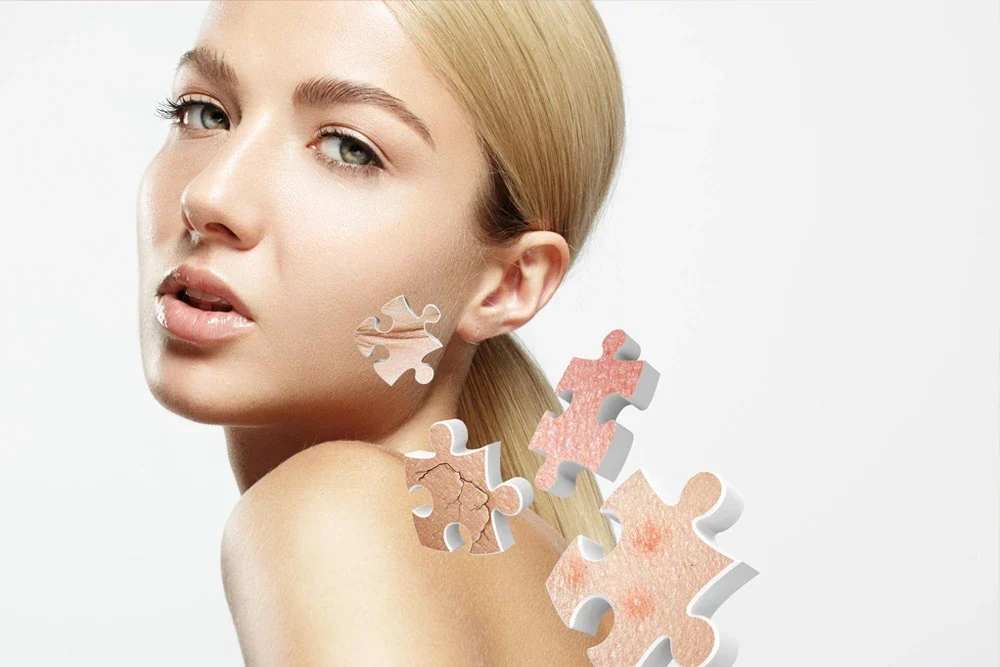
The unstoppable flow of time inevitably leads to changes in our skin. Fine lines, wrinkles, spotting, loss of elasticity and sagging are the most obvious signs of aging. However, thanks to today's advances in medical aesthetics and dermatology, it is now possible to combat these signs and have a younger, more dynamic skin appearance.
What Are the Most Effective Methods for Skin Rejuvenation?
So, what are the most effective methods for skin rejuvenation and which option is best for you? In this article, we will examine in detail the causes of skin aging, popular non-surgical skin rejuvenation methods and the importance of a holistic approach.
1. Skin Aging and its Causes
Skin aging is a complex process caused by a combination of genetic factors and environmental factors. Understanding these factors is the first step to choosing the right rejuvenation methods.
Internal (Genetic, Hormonal) and External (Sun, Pollution) Factors:
- Internal Factors: The rate and pattern of skin aging depends largely on our genetic predisposition. Everyone's biological clock works differently. Hormonal changes (such as menopause) can also reduce collagen production, causing the skin to thin and lose elasticity.
- External Factors: Cilt yaşlanmasının yaklaşık %80’inden dış faktörler sorumludur. Başlıcaları;
- Solar radiation (photo-aging): UVA and UVB rays damage collagen and elastin fibers, leading to wrinkles, blemishes and sagging skin.
- Free Radicals and Oxidative Stress: Factors such as air pollution, cigarette smoke and poor diet increase free radical formation, damaging cells and accelerating aging.
- Lifestyle Inadequate sleep, stress, poor nutrition, alcohol and smoking negatively affect skin health.
The Effects of Collagen and Elastin Loss on Skin:
Collagen and elastin are the main proteins responsible for the youthful and smooth appearance of our skin. Collagen gives the skin structural support and fullness, while elastin provides skin elasticity and recovery ability. As we age, the production of these proteins decreases and existing fibers are damaged. This leads to wrinkles, sagging and general loosening of the skin.
Signs of Aging (Wrinkles, Blemishes, Sagging):
- The main symptoms that occur with skin aging are as follows:
- Fine Lines and Wrinkles: Dynamic lines caused by mimic movements and static wrinkles that deepen with age.
- Skin Blemishes Sun spots, age spots and pigmentation irregularities.
- Loss of Elasticity and Sagging: Sagging due to gravity and collagen loss, especially in the jaw line, cheeks and neck area.
- Skin Tone and Texture Irregularities: Dull and lifeless skin appearance, enlarged pores.
2. Non-Surgical Skin Rejuvenation Methods
Today, it is possible to rejuvenate the skin and remove signs of aging with minimally invasive or non-invasive methods without the need for surgical operations. These methods can be applied alone or in combination according to the needs and expectations of the person.
Botox Applications: Solution to Mimic Wrinkles:
Botox (botulinum toxin) works by temporarily relaxing dynamic wrinkles (forehead lines, lines between the eyebrows, crow's feet) caused by overworking the facial mimic muscles. When the contraction of the muscles is reduced, the skin on it becomes smoother and a younger appearance emerges. When applied correctly, natural expressions are preserved.
Dermal Filler Applications: Volume Loss and Static Wrinkles:
Hyaluronic acid-based dermal fillers are injected under the skin to eliminate volume loss, fill deep wrinkles and define facial contours. It has a wide range of applications such as nasolabial grooves (lines descending from the edge of the nose to the corner of the lips), lip augmentation, cheekbone enhancement and temple filling.
PRP (Platelet Rich Plasma) Skin Renewal: Natural Cellular Regeneration:
It is based on the principle of injecting platelet-rich plasma (PRP) obtained from one's own blood into the skin. Thanks to the growth factors it contains, PRP stimulates the skin's natural collagen and elastin production, improves skin quality, lightens fine lines and blemishes. It initiates a completely natural regeneration process.
Mesotherapy Providing the Nutrients the Skin Needs Directly:
It is the injection of special mixtures (cocktails) of substances such as vitamins, minerals, amino acids and hyaluronic acid directly under the skin with micro-needles. It increases the moisture balance, brightness and elasticity of the skin, improves fine wrinkles and lifeless appearance.
Golden Needle (Radiofrequency Micro Needling): Skin Tightening and Resurfacing:
While controlled microdamages are created on the skin with micro-needles, radiofrequency energy emitted from the needle tips heats the collagen and elastin fibers in the lower layers of the skin. This triggers the production of new collagen and tightens the skin, shrinks pores, reduces acne scars and fine wrinkles. It offers both skin renewal and tightening effect.
Laser Treatments: Skin Tone, Blemish and Texture Improvement:
Laser technologies offer solutions for various skin problems with different wavelengths.
- Pigment Spots (Sun Spots, Age Spots): Lasers target the melanin pigment and lighten the spots.
- Capillary Treatment: It targets and destroys enlarged capillaries.
- Skin Resurfacing: It encourages the formation of a new, younger and smoother skin layer by peeling off the top layer of the skin in a controlled manner. Fractional lasers are frequently used for this purpose.
- Skin Tightening: Some lasers create a tightening effect by heating the collagen in the lower layers of the skin.
Chemical Peels: Skin Resurfacing:
It is the process of peeling the upper layers of the skin in a controlled manner using different acid concentrations. It is effective for problems such as acne, blemishes, fine wrinkles and dull skin appearance. It makes the skin look smoother, brighter and renewed.
3. Holistic Approach and Personalized Treatment Plan in Skin Rejuvenation
The most effective skin rejuvenation results are usually not the result of a single method, but of tailor-made combined treatment plans.
The Importance of Expert Physician Evaluation:
Before starting skin rejuvenation treatments, it is critical to have a detailed skin analysis and medical history evaluation by an expert dermatologist or medical aesthetic physician. The physician will evaluate your skin type, the degree of aging, the causes of your skin problems and your expectations to determine the most appropriate treatment methods or combinations.
Combined Treatment Approaches:
In many cases, the best results are achieved by combining different treatment modalities. For example, Botox for mimic wrinkles, fillers for volume loss, PRP or mesotherapy for skin quality, and gold needles for skin tightening can be combined. These combined approaches provide a more comprehensive and natural rejuvenation by targeting problems in different layers of the skin.
Impact of Lifestyle Factors (Nutrition, Sleep, Water):
No matter how effective medical aesthetic applications are, a healthy lifestyle is fundamental in maintaining youthful skin.
- Balanced Nutrition: Antioxidant-rich fruits and vegetables, healthy fats and adequate protein intake support skin renewal.
- Adequate Sleep: During sleep, the skin repairs and regenerates itself.
- Adequate Water Consumption: It is vital for the skin's moisture balance and elasticity.
- Sun Protection: Protection from the sun's harmful UV rays is the most important way to slow down skin aging.
- Stress Management: Chronic stress can accelerate skin aging.
4. Skin Rejuvenation Results and Permanence
Expectations from skin rejuvenation treatments should be realistic and the factors affecting the permanence of the results should be taken into consideration.
Realistic Expected Outcomes from Treatments:
Skin rejuvenation treatments can greatly reduce the signs of aging and provide a more youthful, rested appearance. However, no treatment can completely turn back the clock or restore the skin to its previous condition. The goal is to slow down the aging process and achieve a better skin quality, while revealing natural beauty.
Factors Affecting the Persistence of Results:
The permanence of treatments varies according to the method used, the quality of the product, the dose applied, the aging rate, genetic structure, lifestyle and skin care habits of the person. For example, Botox lasts 4-6 months, fillers last 9-18 months, PRP and mesotherapy are treatments that are applied in cycles and require maintenance sessions.
Maintenance Treatments and the Importance of Regular Care:
Most skin rejuvenation treatments do not offer permanent results and need to be repeated at regular intervals to maintain their effects. Maintenance sessions are important to maintain the youthful appearance of the skin and minimize the effects of the aging process. Furthermore, a regular and correct skin care routine at home supports the effects of professional treatments and improves the overall health of the skin.
Write to Us
Let's Create Your Appointment Now
Frequently Asked Questions About Skin Rejuvenation
You can find the most curious questions and answers about skin rejuvenation applications below:
Frequently Asked Questions (FAQ)
Most non-surgical skin rejuvenation procedures are minimally painful or painless thanks to local anesthetic creams or contained anesthetics applied before the procedure. The discomfort felt is usually mild and well tolerated.
The age to start skin rejuvenation treatments depends on the skin structure, genetic predisposition and when the signs of aging begin. Generally, preventive or mitigating treatments can be started in the late 20s or early 30s.
Social life can be resumed immediately after most non-surgical procedures. Slight redness, swelling or bruising may occur, but these usually resolve within a few days and can be covered with makeup.
As with any medical procedure, side effects can be seen in skin rejuvenation applications. These are usually temporary redness, swelling, bruising or tenderness. Very rarely, there may be more serious side effects such as infection or allergic reaction. Risks are minimized with the correct application by a specialist physician.
Regular and quality skin care products (such as sunscreen, moisturizers, antioxidant serums) at home are essential for maintaining skin health and slowing down aging. However, in cases such as deep wrinkles, volume loss or advanced blemishes, professional medical aesthetic treatments often offer more effective results.

Contact Now for a Holistic Approach to Your Health
As Dr. Melis Ülger Clinic, we are at your side to make a special evaluation about botox and dermal filler applications and to offer you the most suitable solution for the signs of aging on your face. To achieve a youthful and natural appearance you can make an appointment by contacting usyou can find answers to all your questions.
 English