






Does Botox Distort Facial Expression?
Does Botox Distort Facial Expression?
Botox, one of the most frequently used medical aesthetic applications, is known for providing a younger and rested appearance by reducing facial mimic wrinkles on the face. However, there is a common concern or misunderstanding about Botox: "Will Botox distort facial expression?" or "will it create a dull, expressionless face?". This concern has arisen in particular because of some past applications and portrayals in popular media.
Does Botox Distort Facial Expression?
So, does botox really neutralize our facial expressions, or is it possible to achieve a natural look? In this article, we will examine in detail the mechanism of action of Botox, the origin of the perception of “expressionless face”, what to do for natural results and the facts about this issue.
1. What is Botox and How Does It Work? A Short Reminder
Botox is botulinum toxin, a purified protein derived from the bacterium Clostridium botulinum. It is used in very low doses and in a controlled manner for medical and aesthetic purposes.
Mechanism of Botulinum Toxin:
When injected into the muscles, Botox temporarily blocks the nerve signals (acetylcholine release) that make the muscles contract. This reduces or stops the excessive contraction of the injected muscle. The effect is limited to the injected muscle and is not permanent.
Effect on Mimic Wrinkles:
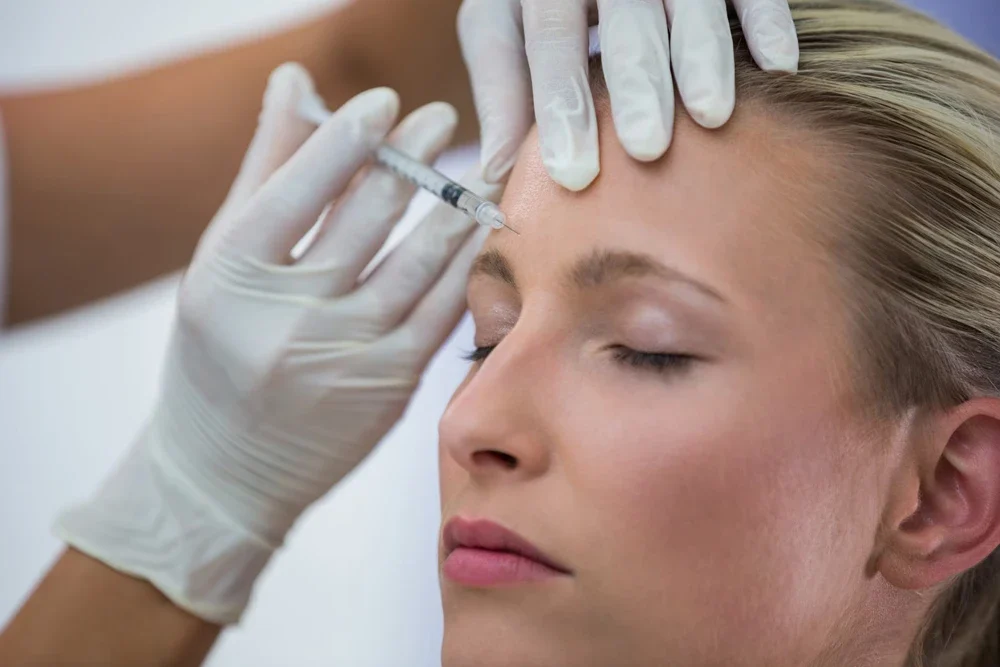
Wrinkles on the face in areas such as the forehead, between the eyebrows (glabella) and around the eyes (crow's feet) are the result of continuous and repetitive movements of the mimic muscles (dynamic wrinkles). Botox reduces the activity of these muscles, smoothing the skin over them and significantly reducing the appearance of wrinkles or preventing their formation.
2. Where does the perception of "expressionless face" come from?
“The perception of ”expressionless face“ or ”dull gaze" stems from experiences and some wrong approaches in the early stages of Botox applications.
Past Practices and the Impact of High Dosages:
When Botox applications were first popularized, physicians could sometimes take more aggressive approaches and apply high doses that would completely immobilize the muscles. This could lead to a complete loss of facial expressions, especially in the upper part of the face, and a “mask”-like expressionless appearance.
The Role of Media and Popular Culture:
In the media and Hollywood movies, unsuccessful or excessive Botox treatments have been exaggeratedly portrayed. These portrayals have led to a misperception among the public that Botox always leads to an expressionless face.
Malpractice Techniques:
Botox should be administered by an experienced physician with a good understanding of facial anatomy and the interaction of muscles. Incorrect injection points, incorrect dosage or lack of aesthetic perspective of the practitioner can lead to unwanted asymmetries or unnatural results. For example, droopy eyelids or over-raised eyebrows are often caused by incorrect application.
3. Is a Natural Botox Application Possible? "Baby Botox" Philosophy
In today's medical aesthetics, botox applications are shaped around the philosophy of “natural appearance”. The term “baby botox” refers to this new approach.
Personalized Dosing and Injection Points:
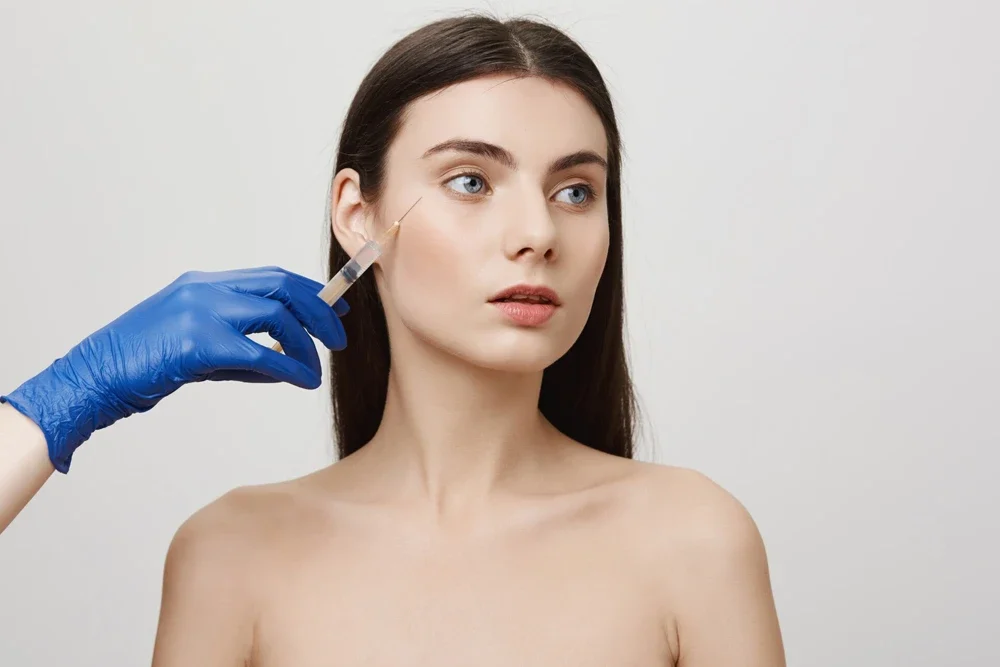
In modern Botox treatments, physicians analyze each individual's facial anatomy, muscle strength and mimic habits in detail. The aim is not to completely paralyze the muscles, but to determine the optimum dosage and injection points that will soften their excessive contraction, allowing the person to make facial expressions, but preventing or reducing the formation of wrinkles. This is a “personalized” treatment.
An Approach Aiming to Preserve Mimics:
“Approaches such as ”baby botox“ or ”micro botox" avoid completely freezing facial expressions by using lower doses of botox and injecting less frequent points. In this way, the person can continue to express their emotions with their face, while the expression lines are prevented from deepening or becoming permanent. The result is a rested, refreshed and natural-looking face.
The Role of the Specialist Physician and Aesthetic Perspective:
The physician's experience, knowledge of facial anatomy and artistic aesthetic perspective are vital for a natural and successful Botox application. The specialist physician knows the relationship between each muscle in the face and makes the injections in a way to target only the problem areas without distorting the facial expression of the person. This shows that Botox is a combination of science and art.
4. The Real Effects of Botox on Facial Expression
When applied correctly, the effects of Botox on facial expression are generally positive and desired.
Smoothing Wrinkles and Restored Appearance:
Botox visibly softens mimic wrinkles on the forehead, between the eyebrows and around the eyes. This makes the person look younger, rested, sleepy and relaxed. Especially when the lines between the eyebrows are reduced, the person has a less “angry” or “worried” expression.
Preservation of Natural Mimics:
Thanks to modern Botox techniques and low-dose applications, natural facial expressions are largely preserved. The person can easily make expressions such as laughter, surprise or eyebrow raising, but the deep lines that occur during these gestures are significantly lightened. The face does not look dull or expressionless.
Eyebrow Position and Eye Contour Dynamics:
Botox can help to slightly lift the eyebrows (chemical brow lift), which makes the eyes appear more open and alive. When the crow's feet around the eyes are lightened, the eyes become more defined and the gaze takes on a more dynamic expression.
The Impact and Transience of Side Effects on Expression:
In rare cases, temporary side effects such as droopy eyelids (ptosis) or eyebrow asymmetry may occur due to incorrect injection or dosage. These conditions can affect facial expression, but since the effect of Botox is temporary, these side effects usually resolve spontaneously within a few weeks or months. It is important to contact your doctor immediately in such a case.
5. What should be done to prevent Expression Disorder?
In order to achieve natural and satisfactory results after Botox application, it is important to pay attention to the following points:
Selection of Experienced and Specialized Physicians:
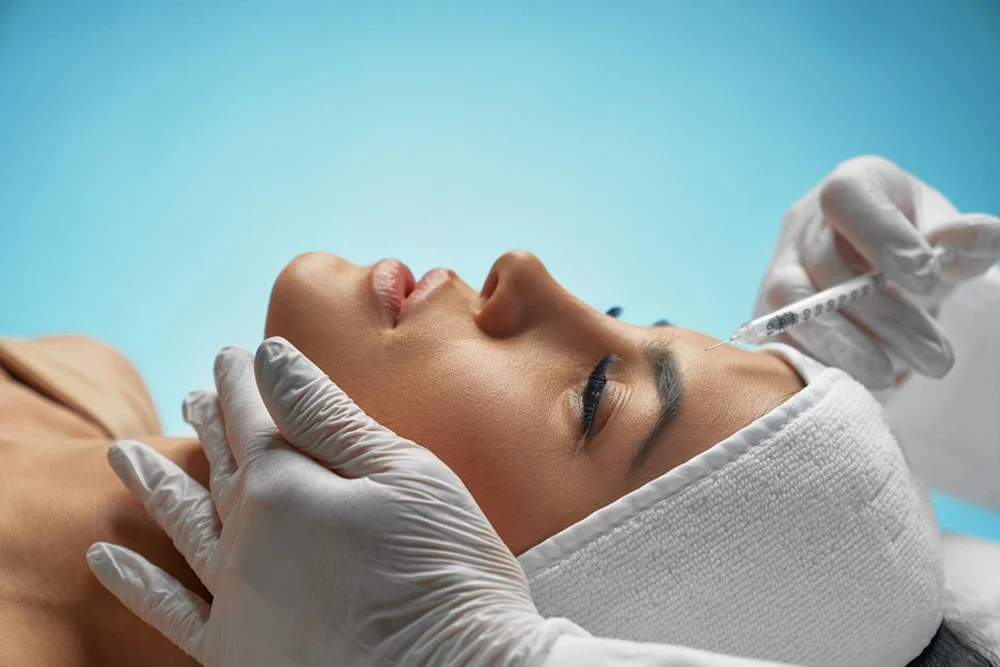
The most important factor is that the physician who will perform Botox application is experienced in this field, follows current techniques and is knowledgeable about facial anatomy. A specialized dermatologist or plastic surgeon should be preferred.
Detailed Face Analysis and Accurate Planning:
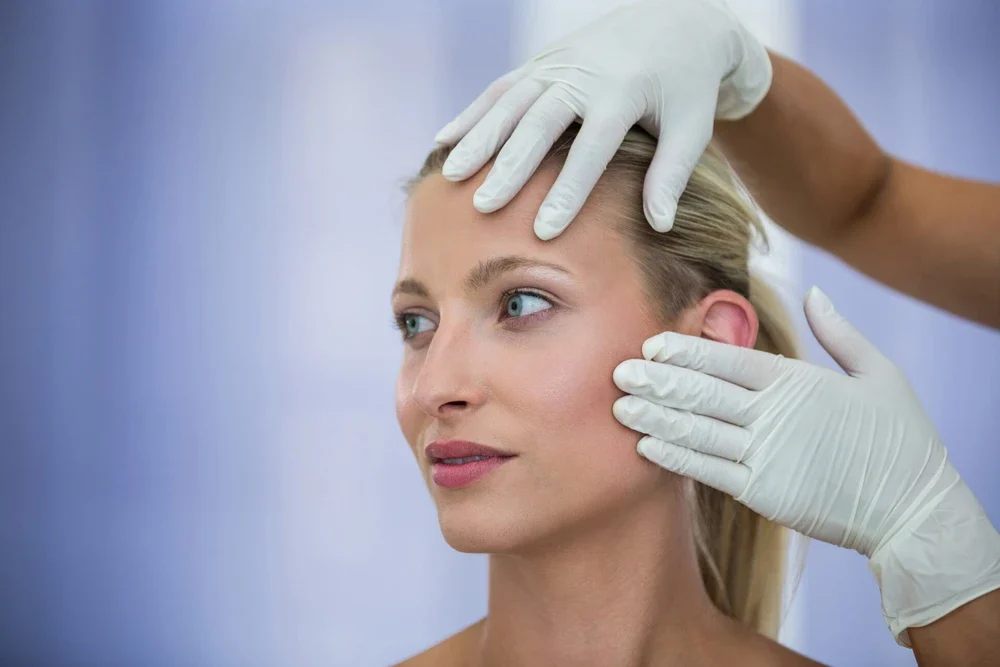
Every face and facial expression is different. A good physician analyzes the facial expressions of the patient in detail before the application, determines which muscles are active and how active they are, and creates a personalized dosage and injection plan accordingly.
Creating Natural Expectations:
You should clearly discuss your expectations with your physician before the application. The goal is to achieve a better, rested and natural appearance, not a flawless face. The goal of “zero wrinkles” can lead to unnatural results.
Communication and Tracking:
It is important to stay in contact with your doctor after the first application. Especially in the first 2 weeks, when the full effect of Botox appears, minor corrections (touch-ups) may be required. Managing this process transparently with your physician will help you achieve the desired result.
Write to Us
Let's Create Your Appointment Now
Does Botox Distort Facial Expression? Frequently Asked Questions About
You can find the most curious questions and answers about the relationship between Botox and facial expression below:
Frequently Asked Questions (FAQ)
With modern Botox techniques and correct dosing, this risk is quite low. The aim is not to completely eliminate facial expressions, but to preserve the natural facial expression while reducing wrinkles.
This can be caused by incorrect injection points or overdosage. An experienced physician will carefully evaluate your eyebrow structure and facial expressions to minimize this risk.
In a successful and natural botox application, it is usually not understood from the outside that you have "botoxed"; it is only noticed that you look more rested, young and lively.
No, when the effect of Botox wears off, your face returns to its original shape. The movement of the muscles starts again and wrinkles may become prominent again. However, since Botox applications delay the deepening of wrinkles, your skin is usually in better condition after the application than before the application.
When applied correctly, your smile remains natural. Your smile may appear smoother, as only the crow's feet around the eyes are lightened.

Contact Now for a Holistic Approach to Your Health
As Dr. Melis Ülger Clinic, we are at your side to make a special evaluation about botox and dermal filler applications and to offer you the most suitable solution for the signs of aging on your face. To achieve a youthful and natural appearance you can make an appointment by contacting usyou can find answers to all your questions.
 English